






Fluted Column Torchere Stand
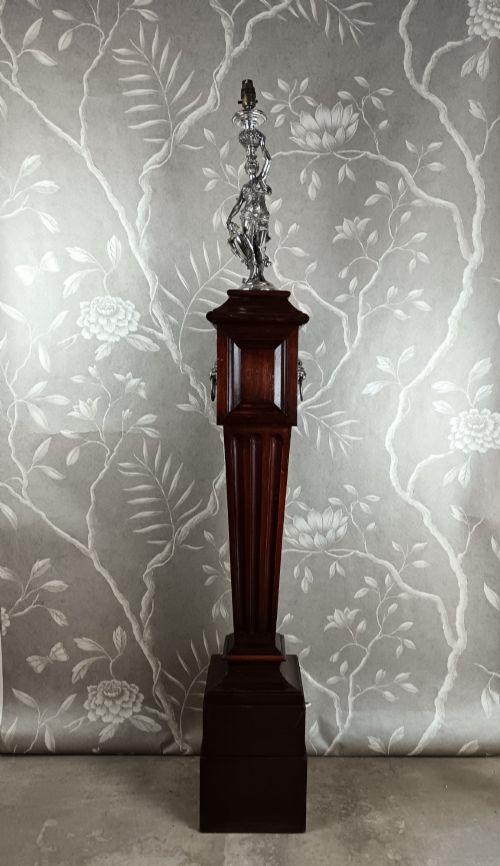
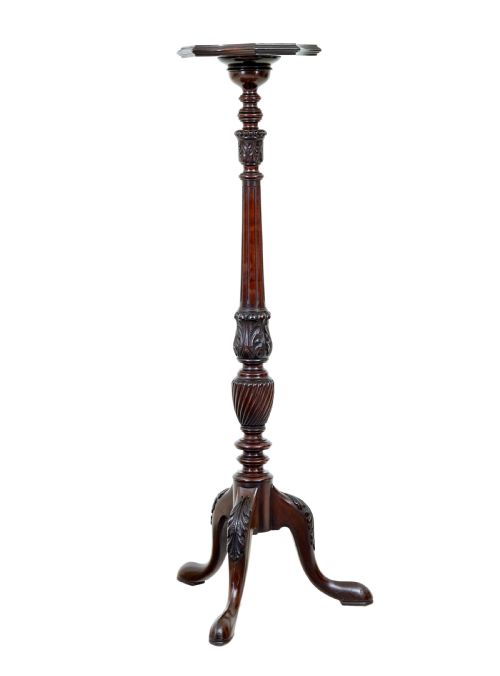
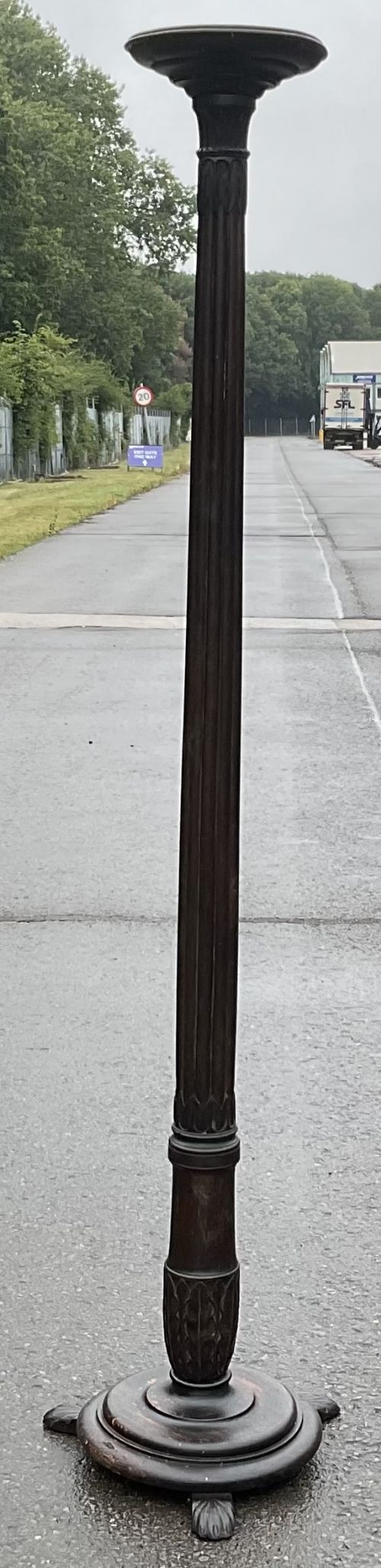
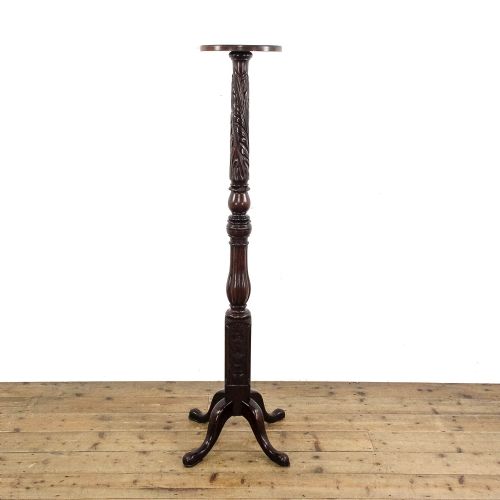
These fluted column torchere stand pieces are slender display pillars designed to elevate lamps, busts, and plants with architectural grace.
Fluted Column Torchere Stand
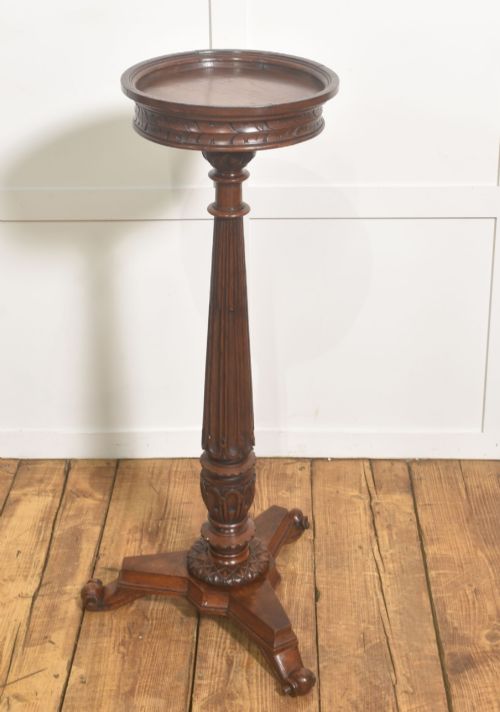
A fluted column torchere stand serves as an elevated platform for display, originating from periods spanning the eighteenth, nineteenth, and early twentieth centuries. These vertical supports appear frequently in mahogany, echoing Georgian, Regency, and Victorian design aesthetics.
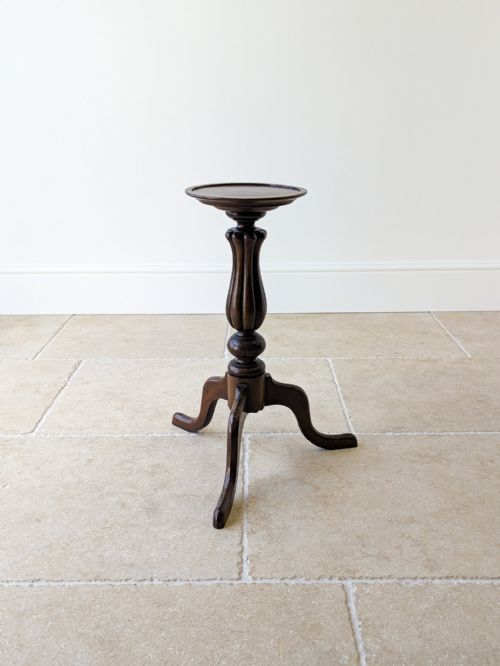
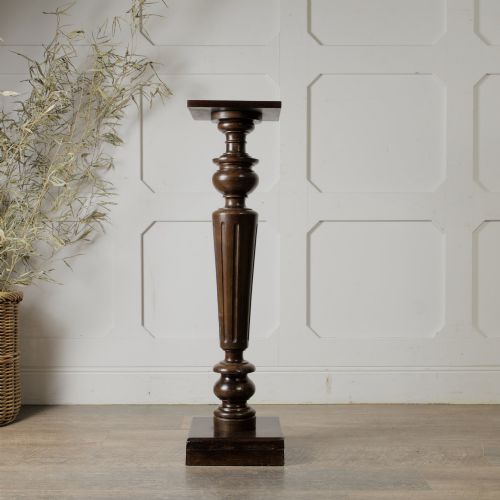
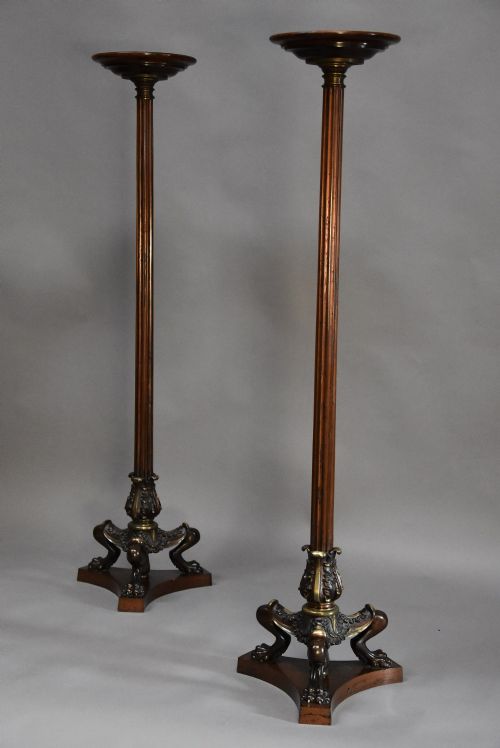
Buyers encounter various configurations, including tripod bases, tall column stands, and paired compositions designed for symmetrical interior placement. Many examples function as plant stands or pedestal mounts for sculpture and lighting.
Materials and construction
Cabinetmakers utilised dense timbers like solid mahogany and burr elm, shaping shafts with precise turning and hand-carved fluting. Decorative metal elements such as bronze, brass, and silver plate appear alongside marble tops and gilded surfaces.
Joinery methods reflect the prevailing standards of each era, uniting heavy bases with slender vertical columns to ensure stability under display objects.
Fluted Column Torchere Stand Retail Price Guide 2026
Typical asking prices for fluted column torchere stand among the pieces listed under this phrase on Sellingantiques today, from the lower quarter to the upper quarter. They describe what is for sale here now, not the wider market.
Listings feature solid mahogany alongside bronze, brass, marble, and silver plate across Georgian, Regency, and Victorian periods.
Distinctions in quality
Quality rests upon the crispness of the column fluting, the selection of figured timber veneers, and the stability of the foundational base. Finer examples display meticulous hand-carving and substantial weight rather than purely utilitarian construction.
The integration of decorative materials, such as inset marble or cast bronze mounts, elevates the piece from a simple domestic support to a considered work of craftsmanship.
Humphrey Hopper·WMF
The Fluted Column Torchere Stand Glossary
- Torchere
- A tall ornamental stand originally designed to hold a candle or light. Later adaptations serve to display decorative vases, busts, and plants.
- Fluting
- Vertical parallel grooves cut into the shaft of a column or pedestal. This classical decorative detail creates shadow and visual rhythm along the upright.
- Pedestal
- A foundational support or base for a statue, urn, or column. It provides physical elevation and architectural presence within a room.
- Tripod base
- A three-legged support structure commonly found on pedestals and torchere stands. This arrangement ensures stable placement on uneven historical flooring.
Fluted Column Torchere Stand: Frequently Asked Questions
What is a torchere stand used for today?
These tall stands provide an elevated surface for displaying indoor plants, sculptural busts, and decorative lamps within a room.
They allow homeowners to utilise vertical space effectively while introducing classical architectural lines to an interior scheme.
How do I distinguish a Regency torchere from a Victorian one?
Regency stands often incorporate classical revival motifs inspired by ancient Greece and Rome, utilising rosewood, bronze mounts, and precise proportions. Victorian examples tend to feature heavier mahogany construction with deep turning and robust proportions suited to nineteenth-century domestic interiors.
Examining the turning style and timber selection helps reveal the specific period of manufacture.
Are these stands stable enough for heavy objects?
Most stands feature weighted or tripod bases designed to counterbalance the height of the central column. However, placement should be considered carefully if supporting fragile marble or heavy bronze items in high-traffic areas.
Ensuring the floor surface is even prevents any wobble in tall, slender furniture.
Can these stands support modern lighting?
Certain variations include wiring channels or flat top surfaces specifically designed to accommodate table lamps and torchere floor lighting. This creates an ambient uplight effect similar to the original candle-bearing function of historical examples.
Checking the top platform dimensions ensures compatibility with modern lamp bases.