



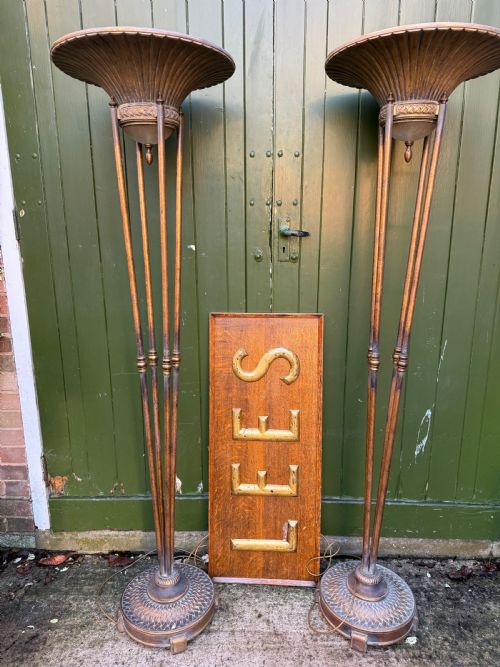


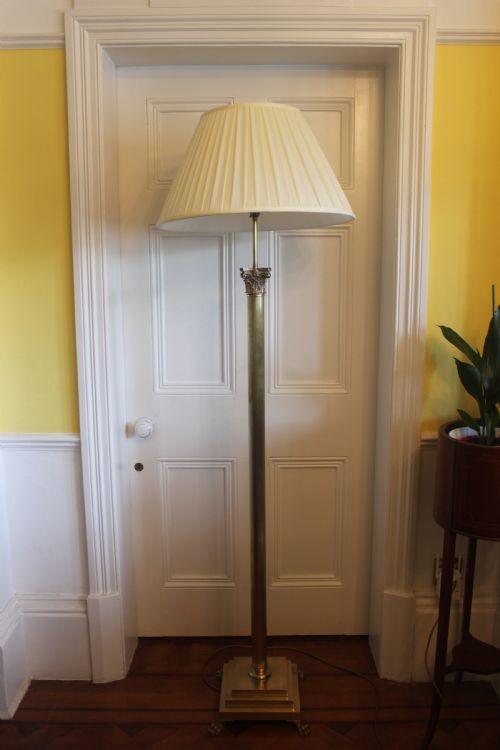


Fluted Brass Standard Light
These fluted brass standard light pieces bring stately height and period warmth to a room, offering both adjustable reach and classic metalwork.
Fluted Brass Standard Light
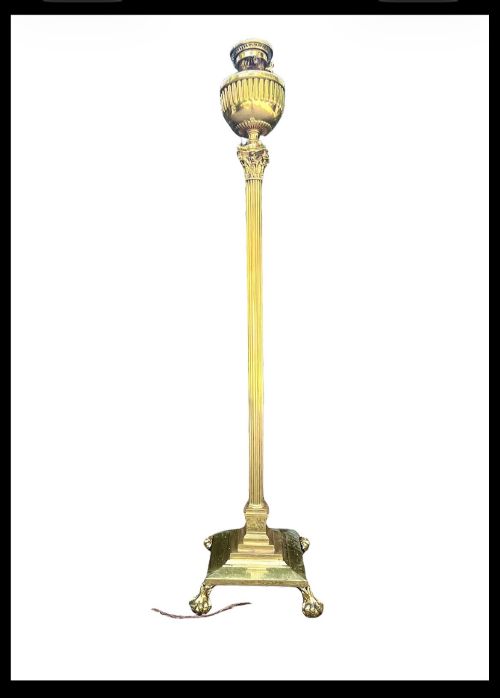
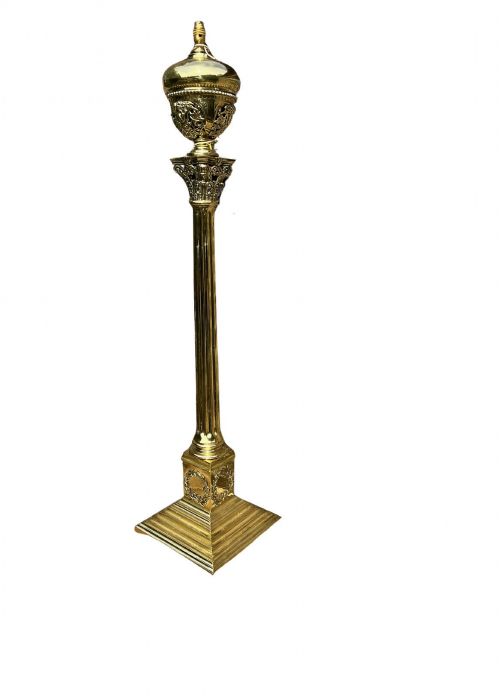
A fluted brass standard light is a tall floor-standing lamp designed to cast illumination from an elevated position beside a chair or desk. When you search for this phrase, you find tall metal uprights that often feature vertical channeling along the shaft.
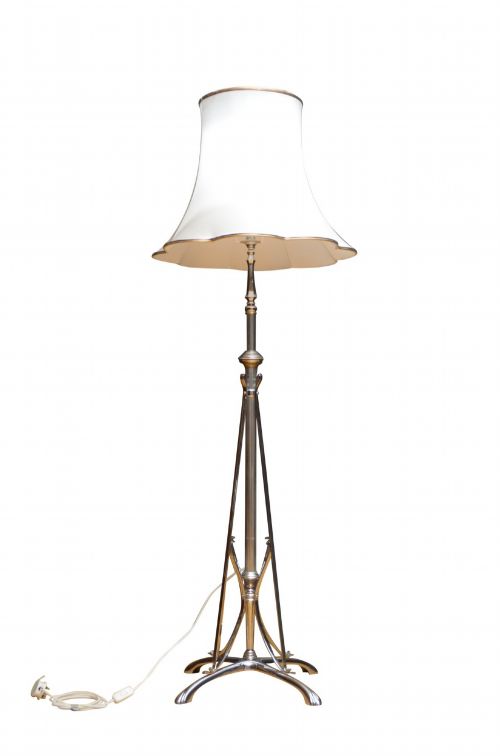
The versions most commonly met on this page date from the Victorian, Edwardian, and early twentieth-century periods, running through the nineteen-twenties and thirties. They arrive in forms such as floor lamps and standard lamps, frequently echoing classical architectural orders.
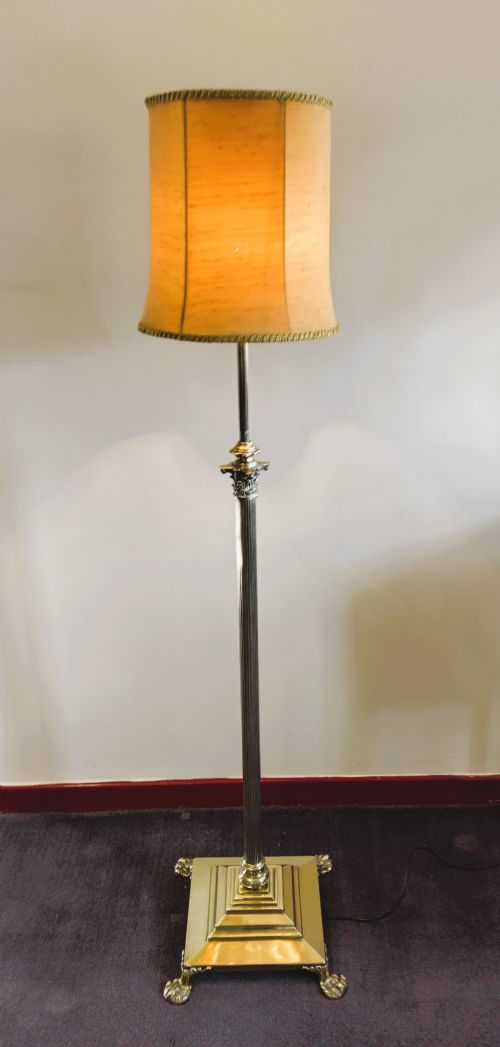
Makers and manufacturers of the time utilised substantial metal stock to ensure stability beneath high shades. Many examples incorporate telescoping columns that allow the user to raise or lower the height of the light source.
How they were made
Makers constructed these standards primarily from brass, solid brass, and gilt bronze, occasionally combining cast metal components with sheet brass shafts. The fluting was achieved by casting or pressing vertical grooves directly into the metal column.
Telescopic mechanisms were engineered with internal tubes and tightening keys, permitting smooth vertical adjustment without compromising electrical safety or structural balance. Heavy weighted bases beneath the brass plating kept the tall uprights steady on floorboards and carpets.
Fluted Brass Standard Light Retail Price Guide 2026
Typical asking prices for fluted brass standard light among the pieces listed under this phrase on Sellingantiques today, from the lower quarter to the upper quarter. They describe what is for sale here now, not the wider market.
Some telescopic columns still retain their original brass tightening keys, polished bright by a century of adjusting hands.
What varies in quality
The distinction between ordinary and superior examples lies in the crispness of the casting and the weight of the metal used in the column. Finer pieces display sharply defined fluting and substantial heft rather than thin, light tubing.
Detailing on the capitals and bases, particularly on classical Corinthian column designs, separates workshop standards. Superior height adjustment mechanisms operate smoothly and lock securely into place without wobble.
Hinks
The Fluted Brass Standard Light Glossary
- Fluted
- Having shallow parallel grooves running vertically along a column or shaft. This decorative treatment derives from classical stone architecture.
- Standard lamp
- A British term for a floor lamp, describing a tall vertical post designed to stand directly on the floor. It typically holds a shade at head height or above.
- Corinthian column
- An architectural column capital decorated with ornate acanthus leaves. This motif appears frequently on nineteenth-century and Edwardian lamp standards.
- Telescopic
- Able to be shortened or lengthened by sliding tubular sections one inside another. This allows the overall height of the light to be adjusted.
- Gilt bronze
- Bronze that has been coated with a thin layer of gold or gold-coloured alloy. It provides a rich, warm surface finish distinct from plain polished brass.
Fluted Brass Standard Light: Frequently Asked Questions
How do I raise the height?
Many of these pieces feature a telescopic mechanism with a thumb screw or collar on the upper shaft. Loosening this collar allows the inner tube to slide up or down.
Tighten the screw firmly once you reach the desired height to secure the lamp safely in position.
Where should I place it?
These tall standards suit corners of reception rooms or beside heavy armchairs where reading light is required at an elevated level. Their vertical presence helps fill empty vertical space in rooms with high ceilings.
Ensure the heavy base rests firmly on a level surface so the tall upright remains completely stable.
How do I date them?
Dating relies on stylistic clues such as the form of the base, the presence of classical revival motifs, and the method of wiring construction. Victorian and Edwardian examples often show heavier cast elements and traditional thumb screws.
Later nineteen-twenties pieces may adopt cleaner Art Deco lines while retaining the traditional brass standard form.
Are they safe to use?
Most antique metal lamps require rewiring to meet modern electrical safety standards before regular daily use. A qualified electrician can easily update the internal flex and lamp holder while preserving the original metal exterior.
Check that the heavy base remains secure and the upright does not lean to one side.