







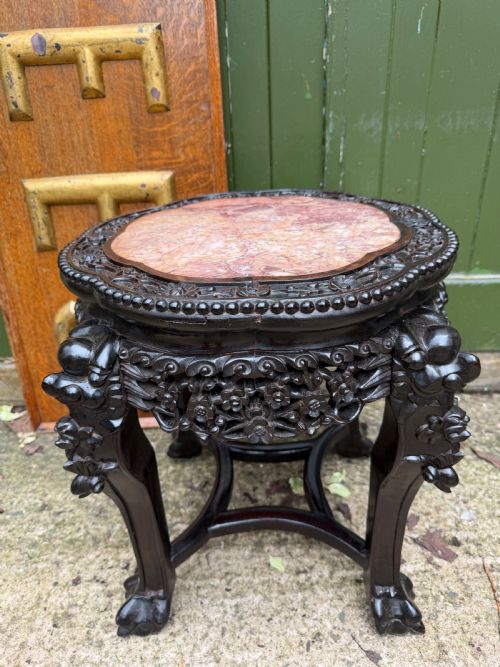

Flower Top Table
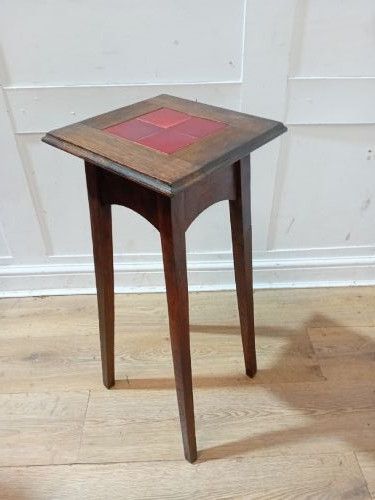
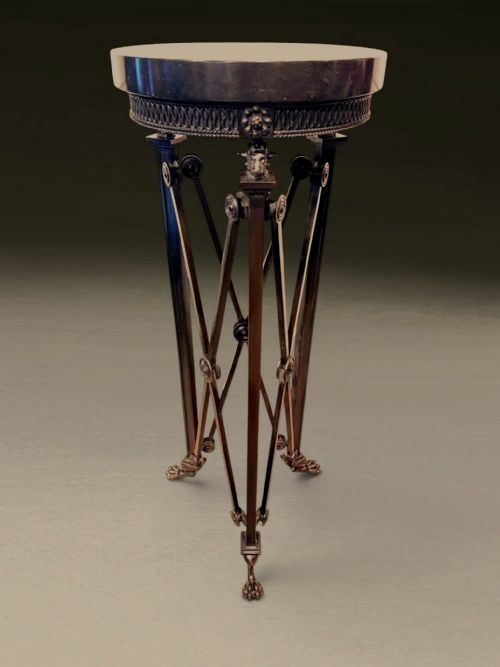
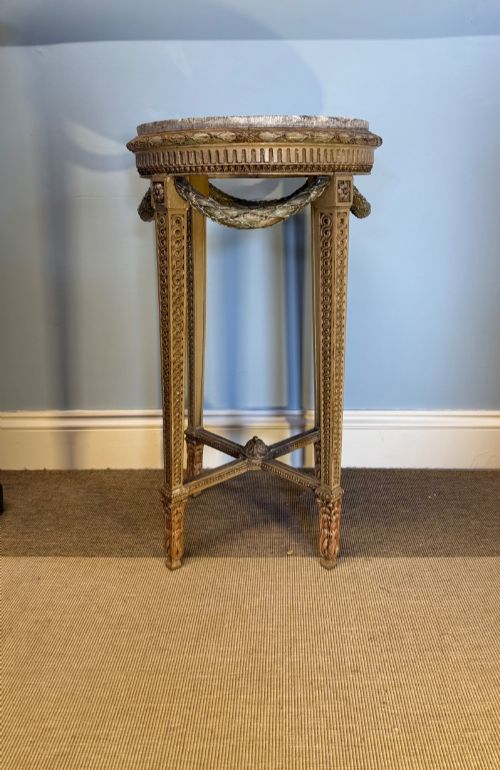
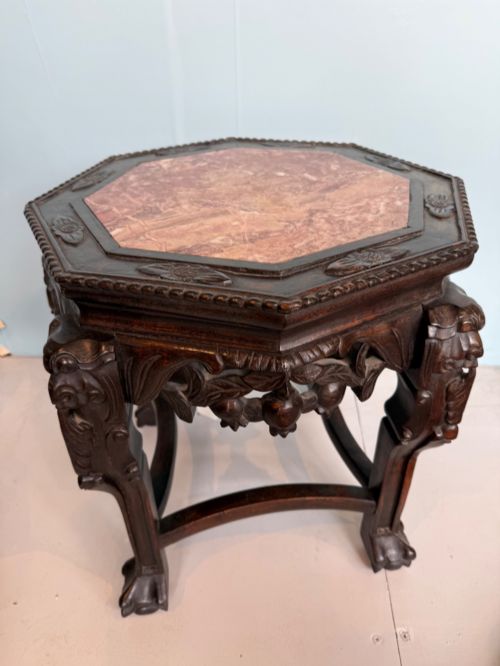
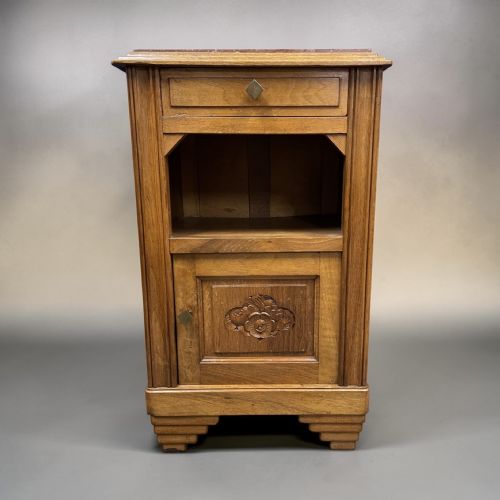
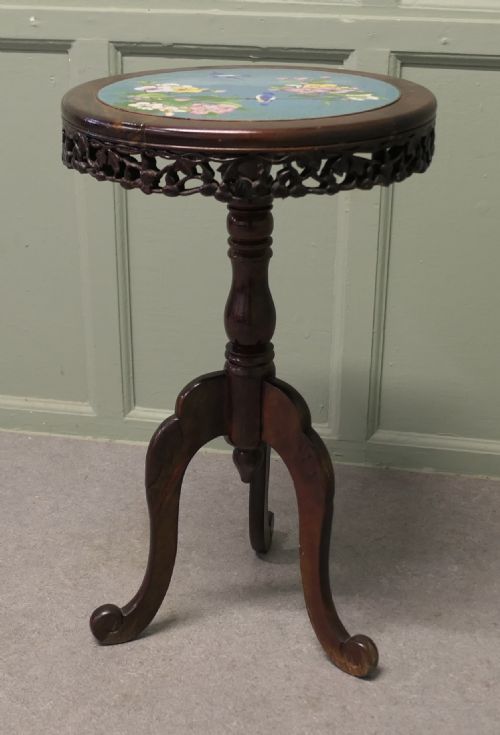
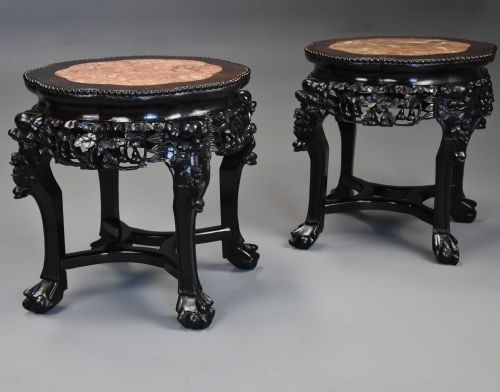
A flower top table brings natural stone and heavy timber together to elevate plants and display ornaments.
Flower Top Table
A flower top table functions primarily as a plant stand, jardiniere stand, or low occasional surface designed to hold ceramic pots and floral arrangements. These pieces appear frequently in Chinese export forms alongside Victorian and Arts and Crafts interpretations.
Most examples encountered on this page date from the nineteenth century into the early decades of the twentieth century. They manifest as plant stands, side tables, wine tables, and pedestals shaped for domestic display.
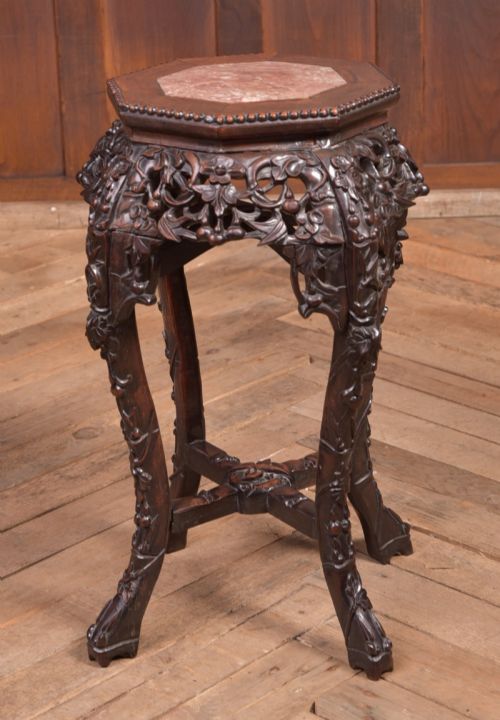
The form spans diverse origins, uniting Chinese hardwood production with European stylistic revivals. Hardwood frames frequently incorporate inset stone panels intended to resist moisture from potted plants.
Materials and construction methods
Construction relies heavily on dense exotic timbers such as padouk, rosewood, and oak, alongside native European hardwoods like mahogany. These heavy woods provide the structural stability required to support weighty stone surfaces and large ceramic planters.
Marble and onyx inserts form the characteristic top surface, fitted neatly into timber frames to create a durable, water-resistant plateau. Mother of pearl inlay and brass details occasionally embellish the woodwork, adding textural contrast to the carved surfaces.
Flower Top Table Retail Price Guide 2026
Typical asking prices for flower top table among the pieces listed under this phrase on Sellingantiques today, from the lower quarter to the upper quarter. They describe what is for sale here now, not the wider market.
Current listings prominently feature nineteenth-century Chinese hardwood forms alongside Victorian oak and Arts and Crafts examples.
Assessing craftsmanship and execution
Quality reveals itself in the depth and clarity of the carving on the timber frame and the snugness of the stone inset. Superior pieces demonstrate crisp joinery and substantial timber weight without excessive reliance on superficial decoration.
The geological character of the inset marble or rouge stone varies significantly between examples, influencing the visual appeal of the surface. Finely figured stone panels paired with dense, well-seasoned hardwood represent the pinnacle of the maker's art.
The Flower Top Table Glossary
- Jardiniere stand
- A tall or low table specifically built to support a ceramic flower planter. These stands often incorporate stone tops to prevent water damage from damp pots.
- Hongmu
- A traditional Chinese term denoting dense, dark hardwoods used in fine furniture production. This category includes timbers like padouk and rosewood.
- Chinoiserie
- European artistic interpretations of Chinese decorative motifs and manufacturing techniques. This style appears on occasional tables and stands from various periods.
- Padouk
- A heavy, durable tropical hardwood prized for its reddish hue and strength. It frequently forms the structure of nineteenth-century plant stands.
Flower Top Table: Frequently Asked Questions
What is a flower top table used for?
A flower top table serves as a sturdy pedestal or side surface for holding potted plants, floral arrangements, and decorative objects. The incorporation of stone inserts makes them particularly suited for damp pots.
Historically, these pieces occupied drawing rooms and conservatories to bring botanical displays up to eye level. Today they function equally well as lamp tables or independent sculptural accents in a room.
How do I identify a Chinese export stand?
Chinese export stands typically utilise dense hardwoods such as padouk or hongmu, often featuring intricate hand-carved floral motifs and pegged joinery. Inset marble or rouge stone tops are characteristic of this tradition.
Many examples date from the nineteenth century and reflect traditional woodworking techniques distinct from contemporary European furniture making. The integration of stone provides a practical, moisture-resistant surface for plants.
Are these tables suitable for modern homes?
These compact tables fit easily into contemporary interiors as bedside surfaces, plant pedestals, or corner display stands. Their solid timber construction ensures daily utility.
Placing a potted plant or small lamp upon the stone top protects the underlying wood while echoing the original historical function of the piece.
How do I care for the marble top?
Cleaning the stone insert requires only a damp cloth and mild soap, avoiding acidic solutions that can etch polished marble. Periodic dusting keeps the carved wooden frame in good condition.
Using protective pads beneath heavy ceramic pots prevents scratching on both the stone and the surrounding timber rim.