

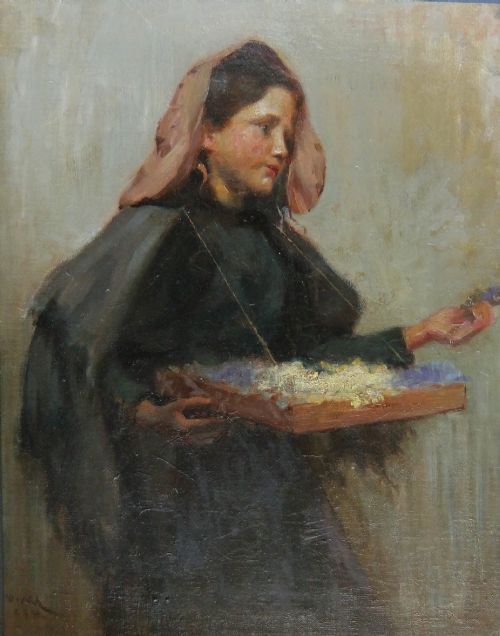


Flower Study Artwork
Flower study artwork captures botanical forms through centuries of watercolour, oil, and pastel.
Flower Study Artwork
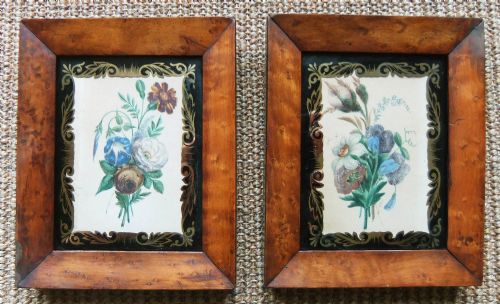
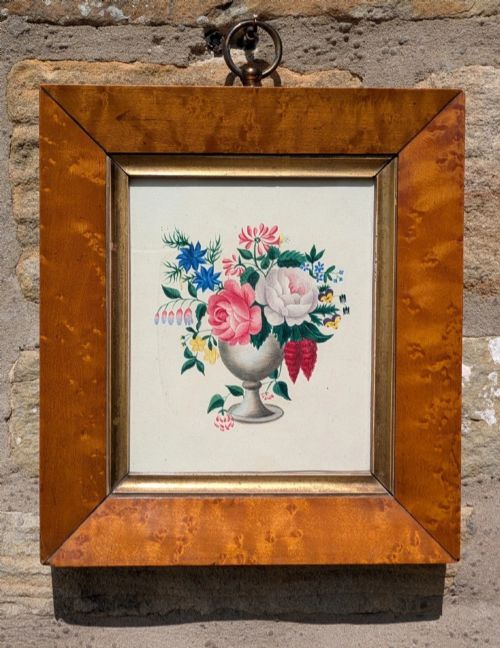
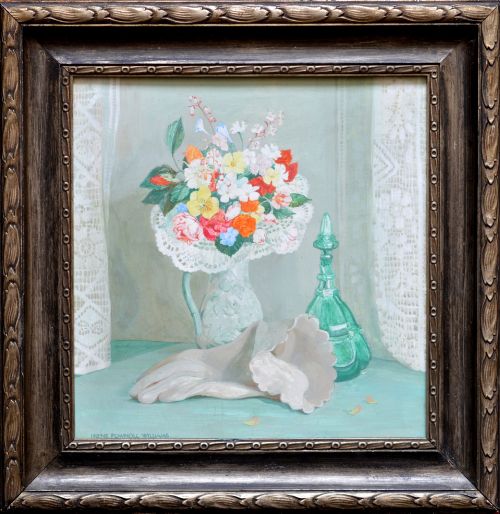
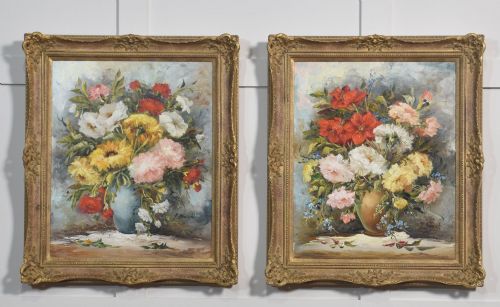
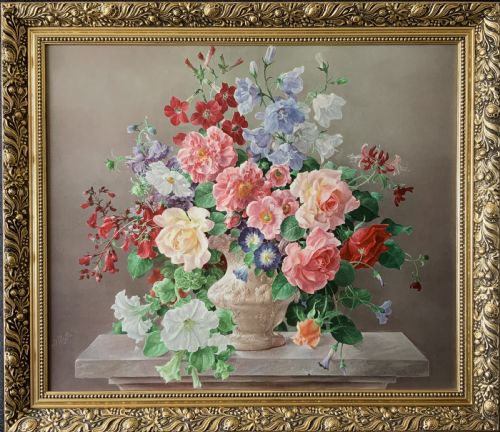
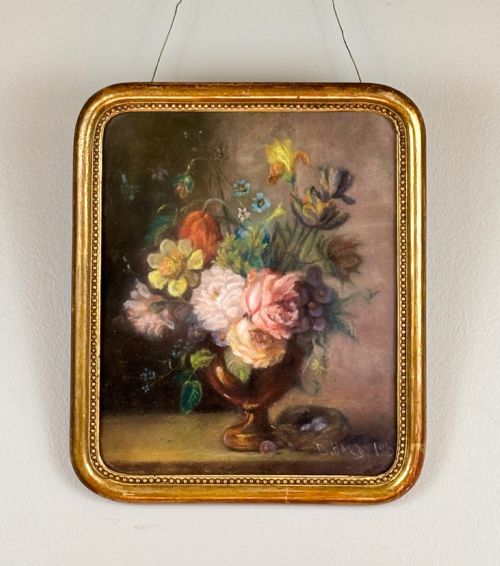
Flower study artwork encompasses painted and drawn floral subjects spanning the nineteenth century through the mid-twentieth century. Buyers encounter botanical watercolours, oil paintings on panel or canvas, and pastels depicting roses, pansies, and azaleas.
The material record shows a strong presence of Victorian botanical studies alongside British Impressionist and mid-century modern interpretations. Works range from delicate depictions on paper to robust oil paintings on board.
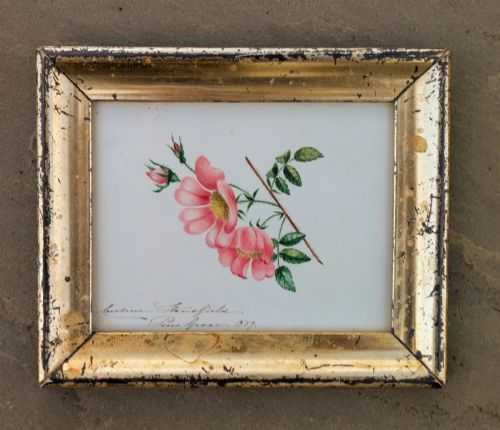
Pieces frequently arrive framed in period mouldings such as gilt wood or gesso. These decorative objects reflect changing aesthetic priorities across the Georgian, Victorian, Edwardian, and post-war eras.
Materials and Technique
Watercolour and gouache on paper dominate the earlier examples, utilising translucent washes to capture delicate petal structures. Artists frequently employed fine brushwork on paper or silk to achieve botanical precision.
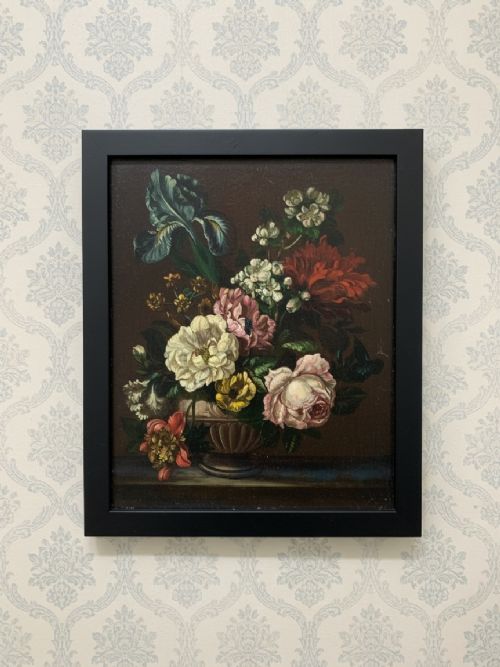
Oil paint on canvas, board, and panel provides texture and depth in later works, applied with varying thickness from smooth glazes to impasto strokes. Tempera and pastel also appear on paper and panel supports.
Framing materials include traditional wood, gilt wood, and gesso which protect the delicate painted surfaces. Prints and oleographs supplement the original hand-painted compositions.
Flower Study Artwork Retail Price Guide 2026
Typical asking prices for flower study artwork among the pieces listed under this phrase on Sellingantiques today, from the lower quarter to the upper quarter. They describe what is for sale here now, not the wider market.
Styles represented include Victorian, British Impressionism, Regency, English Country House, Edwardian, and Dutch Golden Age traditions.
Factors of Quality
Quality rests upon the artist's command of form, light, and botanical accuracy rather than the mere subject matter. Skilled draughtsmanship distinguishes accomplished botanical watercolours from generic decorative floral painting.
The preservation of the pigment and the support dictates longevity, particularly in works on paper prone to fading or foxing. Intact original frames and clear signatures from recorded artists elevate individual pieces.
Irene Christobelle Pownoll Williams·Harold Clayton·Manuela Bonati·William Watt Milne·Ernest Higgins Rigg·Sir Matthew Smith·Edith Barrow·Grace Hastie·Phyllis I Hibbert·Marian Chase·Pierre-Joseph Redouté·Jennifer Toombs·Charlotte Isa James·Alice Macallan Swan·Marion Broom·Annie Mary Youngman·Margaret Evangeline Wilson·M.K Rhodes·Owen Bowen·Kershaw Schofield·Minnie Smythe
The Flower Study Artwork Glossary
- Tempera
- A permanent, fast-drying painting medium consisting of coloured pigment mixed with a water-binder. It provides a flat, matte surface often found on wooden panels.
- Gouache
- An opaque method of watercolour painting where white pigment is added to create heavier, solid areas of colour. It allows for sharp botanical detail on paper.
- Gesso
- A plaster-like mixture applied to wood or canvas to prepare a smooth surface for painting or gilding. It frequently forms the base for decorative period frames.
- Oleograph
- A mechanical print textured to imitate an oil painting, popular in the nineteenth century. These prints reproduce original painted compositions for domestic display.
- Impasto
- The technique of laying paint thickly on a surface so that it stands out from the canvas. This creates physical texture that catches light across floral petals.
Flower Study Artwork: Frequently Asked Questions
What is a floral still life?
A floral still life represents arranged cut flowers or garden plants captured in paint, watercolour, or pastel. These compositions focus on the arrangement of form, colour, and natural light within a domestic or studio setting.
Artists across the nineteenth and twentieth centuries used these subjects to explore texture and botanical detail. They serve primarily as decorative wall art for living spaces.
How do I care for antique watercolours?
Antique watercolours on paper require protection from direct sunlight to prevent the fading of delicate pigments. Framing behind conservation glass limits exposure to ultraviolet light and airborne pollutants.
Maintain stable humidity levels in the room where they hang to avoid paper degradation. Avoid damp environments which encourage foxing spots across the paper surface.
Are oil paintings on panel durable?
Oil paintings on wooden panels offer a stable support when seasoned correctly and protected from extreme temperature fluctuations. The wood provides a rigid base that prevents the cracking sometimes seen on aged canvas.
Keep panels away from direct heat sources to prevent the wood from warping. Light dusting with a dry, soft cloth maintains the surface without moisture.
What distinguishes botanical art from still life?
Botanical art historically prioritises scientific accuracy, recording the precise structural details of plant species for identification. Floral still life focuses more on artistic arrangement, lighting, and decorative composition.
Many nineteenth-century works bridge these definitions by combining precise observation with expressive painting techniques. Both forms were popular across the Victorian and Edwardian periods.