




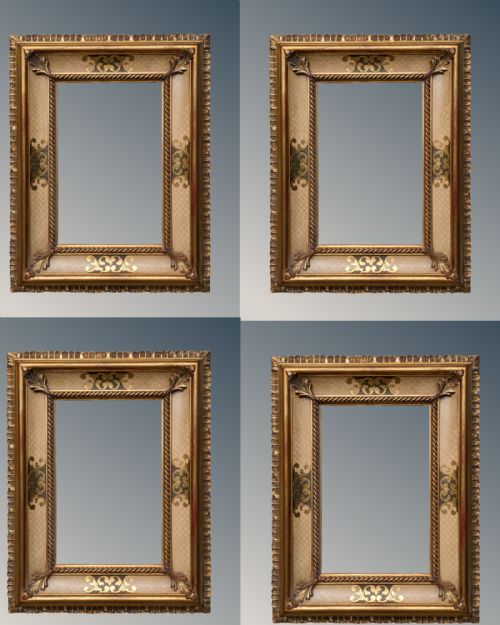


Florentine Wood Mirror
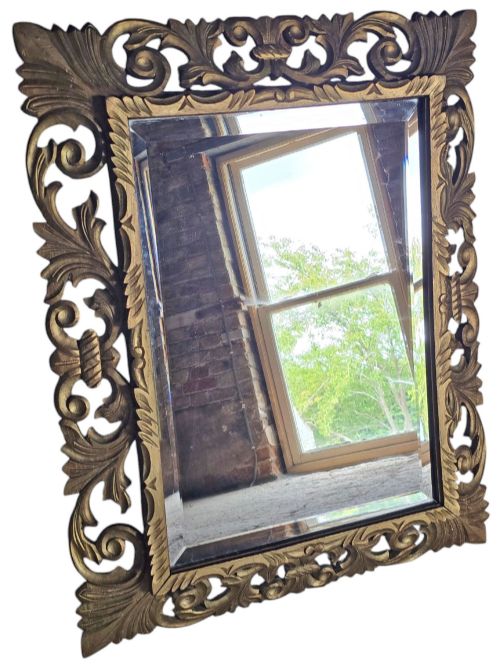
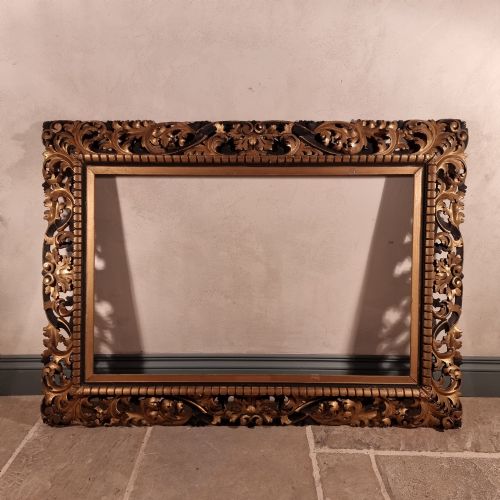
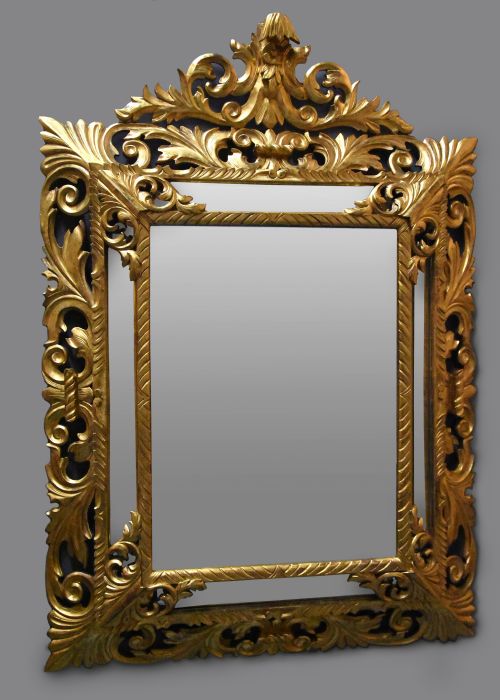
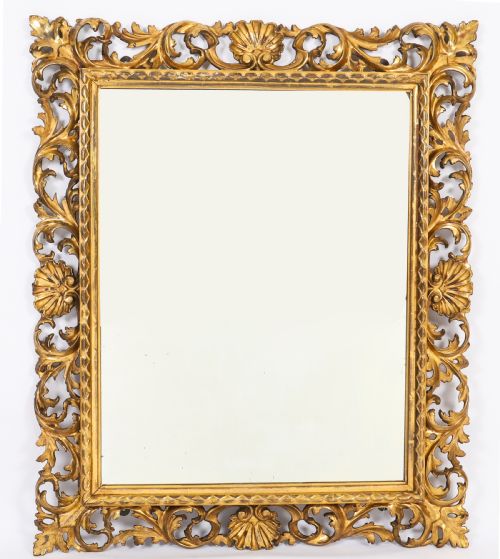
These florentine wood mirror examples bring centuries of Italian craftsmanship and gilded warmth into modern rooms.
Florentine Wood Mirror
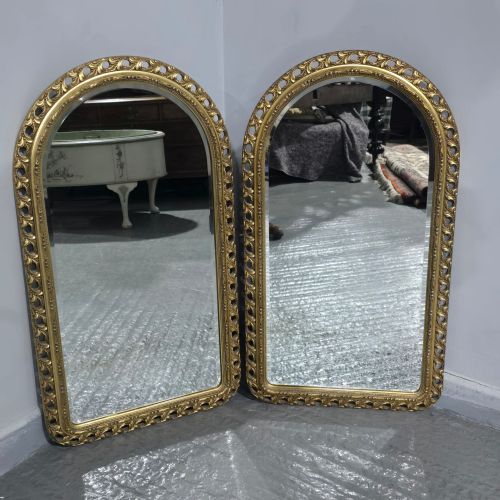
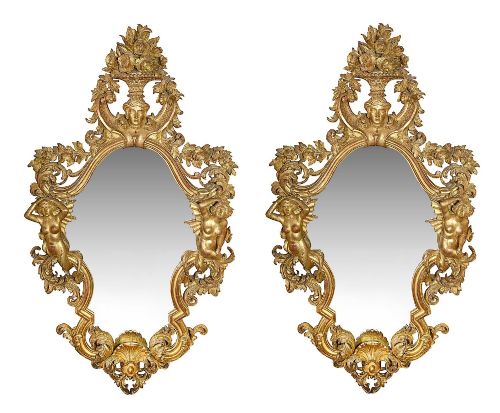
A florentine wood mirror brings intricate Italian artistry into domestic interiors through carved wooden frames and reflective glass. Buyers searching this phrase most commonly encounter 19th-century giltwood pieces alongside 18th-century examples and early 20th-century revivals.
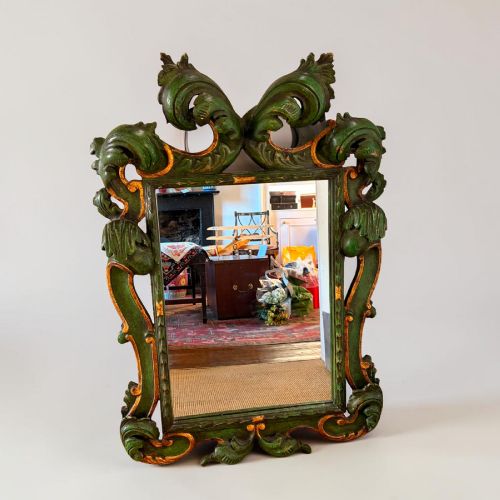
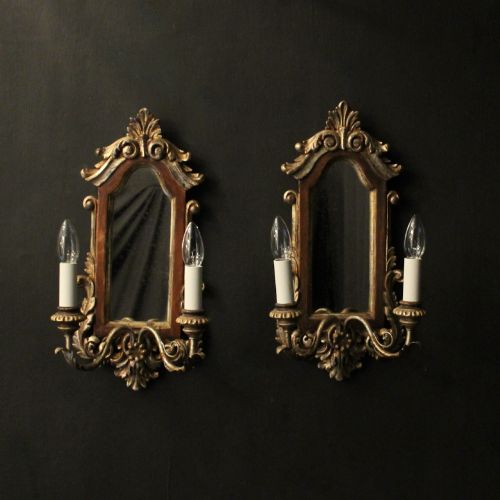
The selection ranges from grand overmantle wall mirrors and cushion forms to paired girandoles and decorative picture frames adapted for reflection. Many pieces adopt Florentine Baroque or Rococo styles, reflecting regional design traditions centred in Italy.
How They Were Made
Craftsmen shaped these frames from carved wood, applying layers of gesso to build up intricate scrollwork and relief detail before finishing the surfaces. Gold leaf and paint were then applied to achieve the characteristic metallic sheen of giltwood pieces.
Mirror glass was set into these carved structures, occasionally accompanied by hand-painted elements or fitted candle arms on girandole variants.
Florentine Wood Mirror Retail Price Guide 2026
Typical asking prices for florentine wood mirror among the pieces listed under this phrase on Sellingantiques today, from the lower quarter to the upper quarter. They describe what is for sale here now, not the wider market.
Listings span periods from the late 18th century through the 1930s, featuring materials such as giltwood, gesso, carved wood and paint.
What Varies in Quality
The standard of carving defines the distinction between ordinary production and exceptional examples, particularly in the depth and crispness of the foliage and scrollwork. Finer pieces demonstrate superior control in the application of gold leaf and gesso over the carved wood.
Proportion and decorative ambition also set items apart, from simple rectangular frames to heavily embellished cushion mirrors and paired wall sconces.
The Florentine Wood Mirror Glossary
- Giltwood
- Wood that has been coated with gold leaf or metallic powder. This finish gives antique mirrors their characteristic luminous appearance.
- Gesso
- A plaster mix applied to wood frames to create a smooth base for carving and gilding. It allows craftsmen to model intricate three-dimensional details.
- Girandole
- A branched wall mirror fitted with candle sconces. These pieces reflect candlelight to illuminate domestic spaces.
- Cushion mirror
- A frame form with a rounded, convex profile that slopes inward toward the glass. This style creates a pronounced three-dimensional effect on the wall.
- Overmantle
- A large mirror designed to hang directly above a fireplace mantelpiece. These substantial pieces often form the visual centrepiece of a room.
Florentine Wood Mirror: Frequently Asked Questions
How do I hang a heavy giltwood mirror safely?
Heavy carved frames require robust wall fixings secured directly into structural studs or solid masonry.
Professional mirror hangers utilise brackets that distribute the substantial weight evenly across the wall.
Are these mirrors suitable for bathrooms?
Gilded wood and antique glass react poorly to high humidity and direct moisture exposure.
Displaying these pieces in dry living areas, hallways or bedrooms preserves the delicate gesso and gold leaf.
How do I clean an antique giltwood frame?
Dust frames gently with a soft, dry brush to remove particles without disturbing the surface.
Moisture and commercial cleaning agents damage fragile gold leaf and historical painted finishes.
How do I tell an 18th-century mirror from a later copy?
Examination of the timber behind the frame and the composition of the gesso reveals the age of construction.
Earlier pieces show hand-carving tool marks and oxidation patterns unique to centuries of ageing.