



Florentine Ceiling Pendant
A Florentine ceiling pendant brings Italian warmth and gilded metalwork into a room, offering both illumination and grandeur.
Florentine Ceiling Pendant
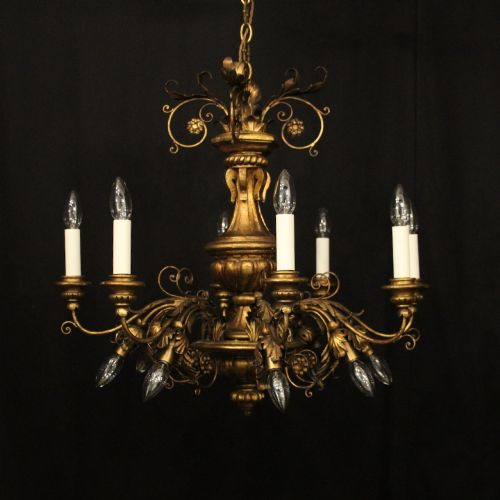
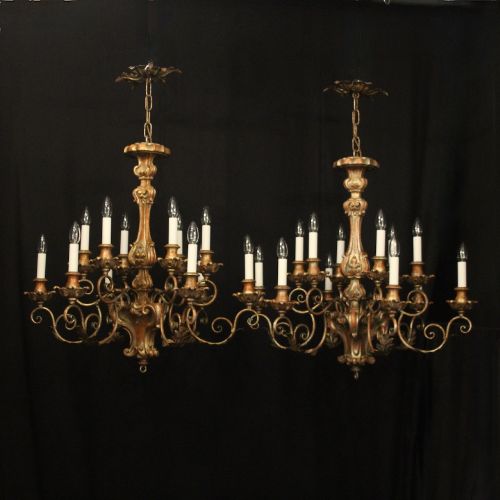
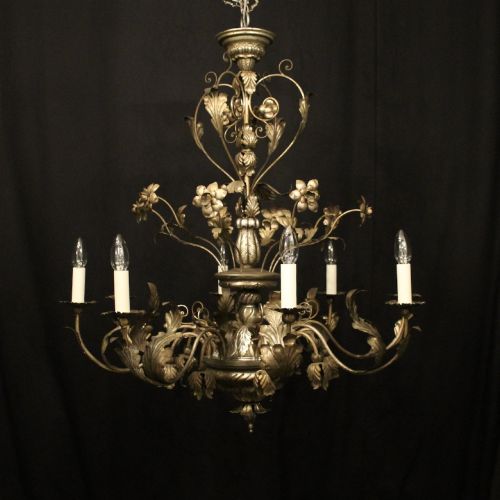
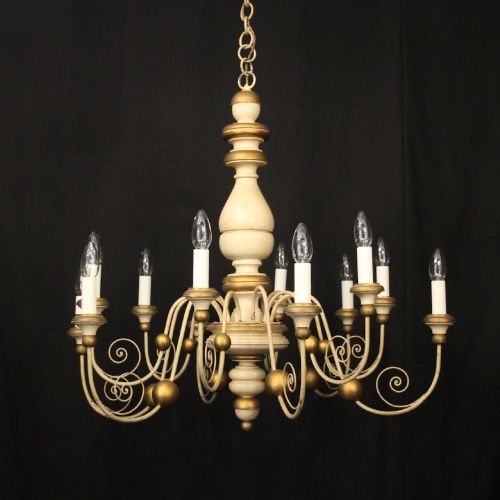
A Florentine ceiling pendant encompasses large multi-armed chandeliers and hanging lanterns rooted in Italian design traditions. These fixtures span from the eighteenth century through the Edwardian era up to the nineteen-thirties, with the nineteen-twenties representing a particularly common period on this page.
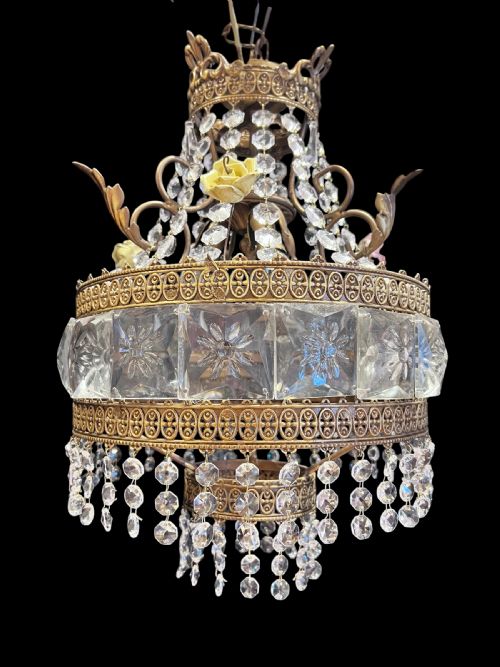
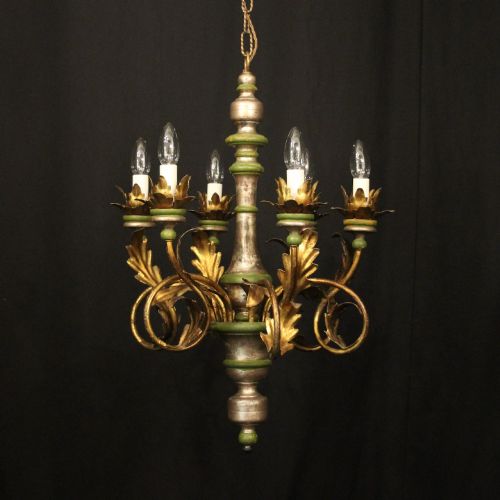
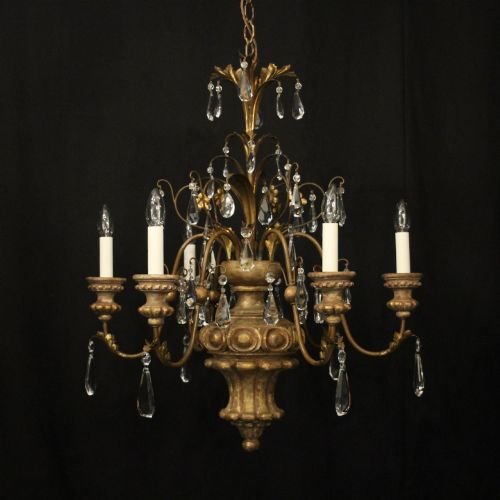
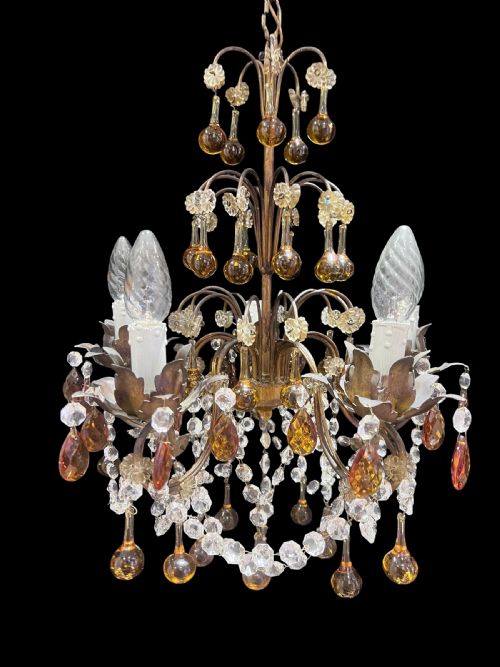
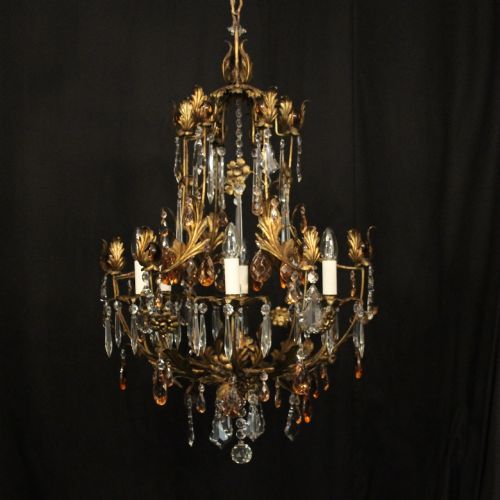
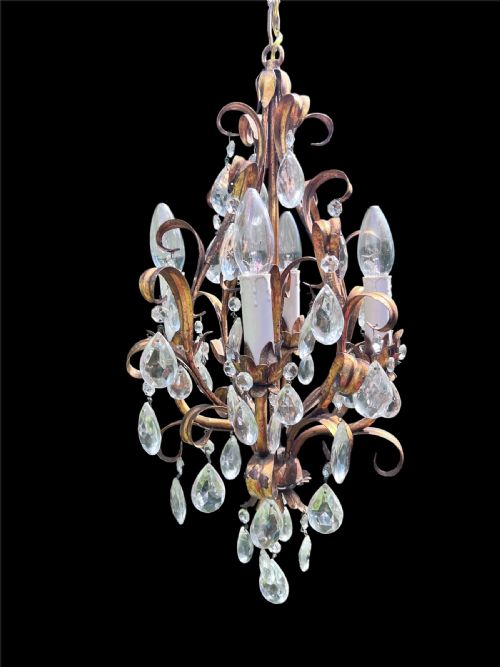
The objects take the form of substantial chandeliers with six, twelve, or eighteen lights, alongside smaller three-light lanterns and multi-tiered arrangements. Origins trace primarily to Italy, bringing distinct regional styles such as Florentine Baroque and Italian Rococo Revival into domestic interiors.
Materials and Technique
Construction relies heavily on carved giltwood, wrought iron, and gilt metal shaped into intricate frames and leafy armatures. Gold leaf application and polychrome finishes provide the characteristic surface decoration seen across these Italian pieces.
Glass and crystal components, including coloured crystals, glass drops, and beaded garlands, are integrated directly into the metal frameworks. Selected examples incorporate porcelain flowers or coloured fruits to soften the rigid lines of the iron and wood structures.
Florentine Ceiling Pendant Retail Price Guide 2026
Typical asking prices for florentine ceiling pendant among the pieces listed under this phrase on Sellingantiques today, from the lower quarter to the upper quarter. They describe what is for sale here now, not the wider market.
Assessing Quality
Quality rests upon the depth and finesse of the carved giltwood details and the richness of the gilding applied to the frame. Pieces featuring sophisticated multi-tiered armatures and hand-modelled elements demonstrate superior craftsmanship.
The integration of crystal elements and glass drops influences the overall visual weight and light refraction of the pendant. Greater care in assembling beaded garlands and floral motifs separates standard production from exceptional examples.
The Florentine Ceiling Pendant Glossary
- Giltwood
- Wood that has been treated with gold leaf or a gilt finish. This technique provides a luminous metallic surface common in Italian decorative lighting.
- Polychrome
- Decoration employing several colours on a single surface. This finish often highlights carved details and floral elements on the chandelier frame.
- Chandelier
- A branched ornamental light fixture suspended from the ceiling. These fixtures hold multiple light sources arranged across single or double tiers.
- Hanging Lantern
- An enclosed light fixture suspended by a chain or bracket. These items utilise glass panels and metal frames to shelter the interior light source.
Florentine Ceiling Pendant: Frequently Asked Questions
How do I hang a heavy multi-tier chandelier safely?
Hanging a heavy multi-tier chandelier requires securing the fixture directly into ceiling joists or using an appropriately rated structural support box. Professional electrical and structural installation ensures the weight of the metal and wood frame is safely managed.
Weight distribution matters particularly with larger nineteenth-century and early twentieth-century examples that incorporate substantial wood and crystal components. Consulting a professional electrician prevents structural damage to plaster ceilings.
What rooms suit a large Florentine pendant best?
Large Florentine pendants suit high-ceilinged reception rooms, formal dining areas, and grand entryways where their scale can be fully appreciated. Their expansive armatures demand adequate vertical clearance to hang effectively without dominating the room.
Smaller variants and hanging lanterns work well in hallways or more intimate spaces. Matching the physical dimensions of the fixture to the proportions of the room maintains visual balance.
How can I distinguish eighteenth-century pieces from later revivals?
Distinguishing eighteenth-century pieces from later revivals involves examining the tool marks on the carved wood, the composition of the gesso, and the wear patterns on the gilding. Earlier examples display hand-carved nuances that differ from twentieth-century interpretations of Baroque styles.
Material analysis of the internal wiring channels and metal fasteners also provides clues to the manufacturing date. Comparing construction techniques helps establish whether a piece belongs to the original period or a later revival.
Can these antique chandeliers be rewired for modern standards?
These antique chandeliers can be safely rewired by a qualified professional to meet contemporary electrical standards. Rewiring involves replacing old internal circuits while preserving the external aesthetic of the frame and candle tubes.
Modern wiring ensures safe operation without altering the historic character of the metalwork or glass components. Professional electricians can also advise on appropriate bulb wattage to protect delicate crystal and painted surfaces.