



Floral Woven Panel
A floral woven panel brings tactile history into a room, offering centuries of textile artistry through woven botanical motifs and intricate threads.
Floral Woven Panel
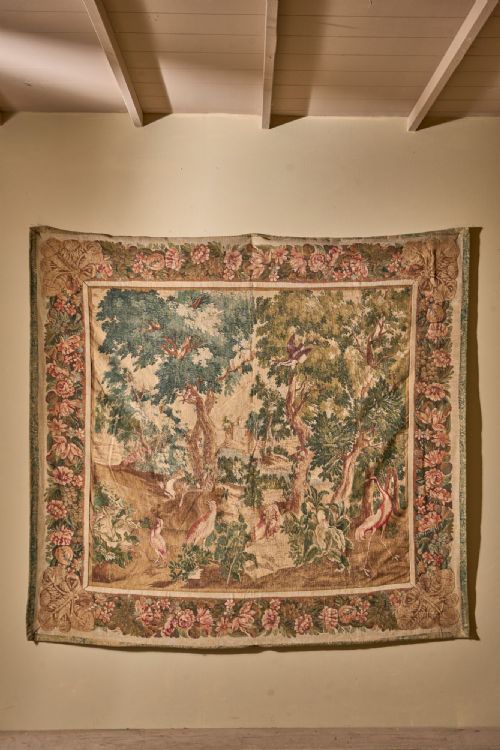
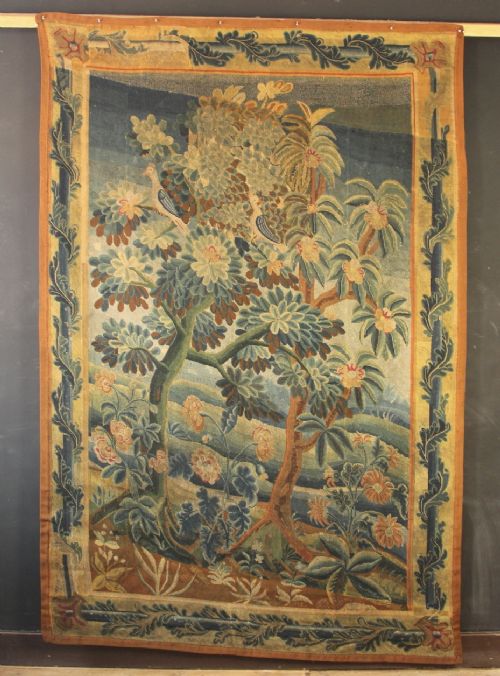
A floral woven panel encompasses textile pieces created from the sixteenth century onwards, featuring plant and botanical motifs executed in various weaves. Buyers seeking a floral woven panel typically encounter wall hangings, cushion covers, and tapestry fragments rooted in European and Persian traditions.
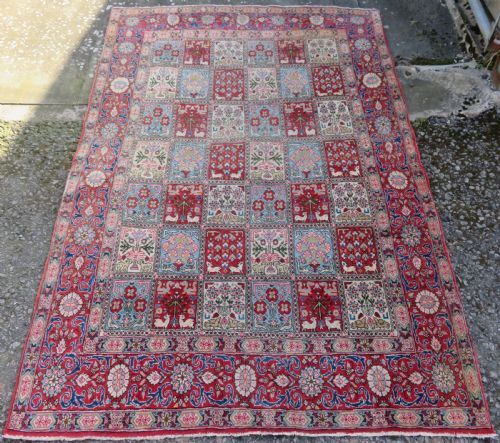
The selections span from seventeenth-century North German fragments and eighteenth-century French verdure tapestries to nineteenth-century Aubusson panels and twentieth-century Persian rugs. French examples heavily feature French Baroque, Rococo, and Chateau styles, while Middle Eastern origins provide Bakhtiari, Afshar, and Qum variations.
Object types vary widely between utilitarian carpets, decorative entre-fenêtre panels, pilaster hangings, and smaller soft furnishings. Eighteenth-century examples dominate the offerings, frequently rendered as European needlework or verdure scenes dominated by foliage.
Materials and construction
Construction relies primarily on natural fibres including wool, silk, cotton, linen, and thread, often manipulated into complex weaves such as lampas and ciselé silk velvet. Artisans built these panels using loom techniques or needlework, combining sturdy backing threads with richly coloured pile or flat-woven surfaces.
The integration of diverse materials dictates the texture and drape of each piece, from heavy woollen tapestries designed for wall insulation to lightweight silk velvet wall hangings. Artisans utilised dyed threads to map out complex floral and verdure patterns across large vertical surfaces and smaller floor coverings alike.
Assessing craftsmanship and condition
Quality rests upon the density of the weave, the complexity of the botanical design, and the survival of the original fibres over centuries of use. Finer panels display meticulous colour blending within the thread work, creating depth in verdure scenes and floral sprays.
The integrity of the material foundation separates standard domestic textiles from exceptional collector pieces. Well-preserved silk velvet, crisp lampas weaves, and intact needlework edges elevate an individual hanging above heavily restored or fragmented examples.
The Floral Woven Panel Glossary
- Verdure tapestry
- A wall hanging dominated by botanical designs, foliage, and plant life rather than human figures. These pieces were particularly popular in eighteenth-century European workshops.
- Lampas
- A luxurious shuttle-woven fabric featuring a background weave pattern overlaid with supplementary pattern-weft threads. It often utilises silk to create rich, contrasting textures.
- Ciselé velvet
- A velvet technique where portions of the pile are cut while other sections remain uncut to form a pattern. This creates a subtle relief effect on silk panels.
- Entre-fenêtre
- A narrow vertical tapestry or hanging designed specifically to fit the wall space between two windows. French workshops frequently produced these for formal interiors.
- Needlework
- Textile ornamentation stitched by hand onto a prepared canvas or ground fabric rather than formed on a loom. Eighteenth-century examples frequently employ this method for decorative covers.
Floral Woven Panel: Frequently Asked Questions
How were floral woven panels used originally?
These textiles served practical and decorative functions in historic interiors, insulating stone walls against cold draughts and displaying wealth through costly materials.
Larger pieces hung in reception rooms and galleries, while smaller panels functioned as cushion covers, saddle-bags, or decorative architectural elements between windows.
Where do most panels originate?
The available selection centres heavily on European workshops, particularly French centres producing Aubusson and verdure designs, alongside northern European needlework.
Persian regions also contribute significantly through traditional pile carpets and nomadic woven pieces from origins such as Bakhtiari and Kerman.
How should I hang a textile panel?
Wall hangings require careful weight distribution to prevent distortion of the historic fibres and backing materials along the upper edge.
Professional conservators generally recommend attaching a supportive cotton sleeve to the reverse and mounting the textile onto a padded, fabric-covered wooden batten.
What defines a verdure design?
Verdure designs focus entirely on lush landscapes, trees, leaves, and floral elements, intentionally omitting historical or mythological human narratives.
These green-dominated compositions brought the feeling of gardens and forests into interior spaces during the seventeenth and eighteenth centuries.
How do I care for antique silk velvet?
Historic silk velvet requires protection from direct sunlight, which fades natural dyes and degrades delicate protein fibres over extended periods.
Keep the environment stable in humidity and temperature, and avoid abrasive cleaning methods that crush the pile or strain the woven ground.