

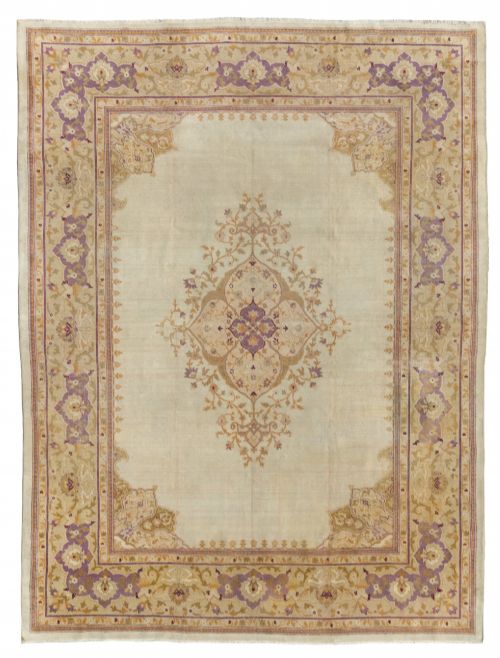


Floral Patterned Carpet
A floral patterned carpet brings rich regional design and traditional weaving into a room, offering enduring floor coverings shaped by centuries of textile heritage.
Floral Patterned Carpet
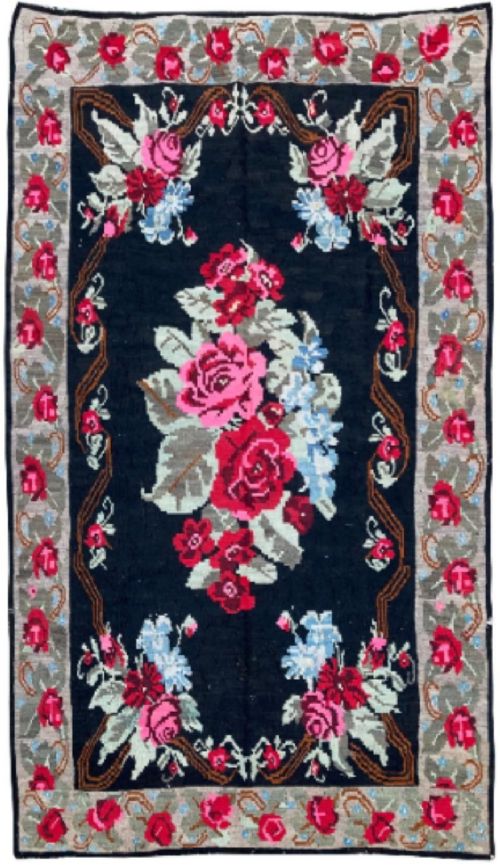
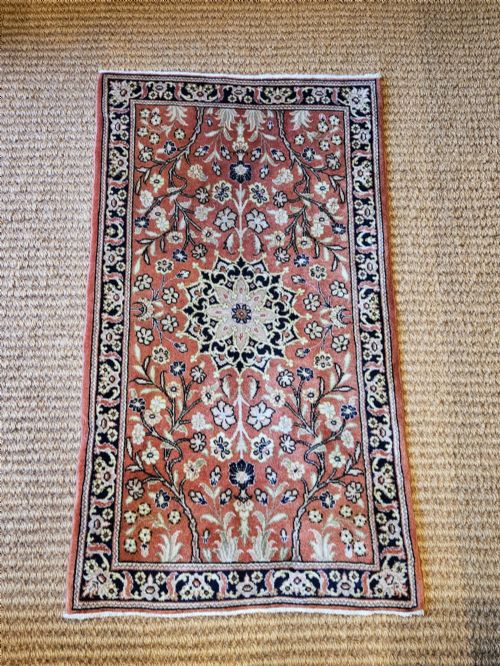
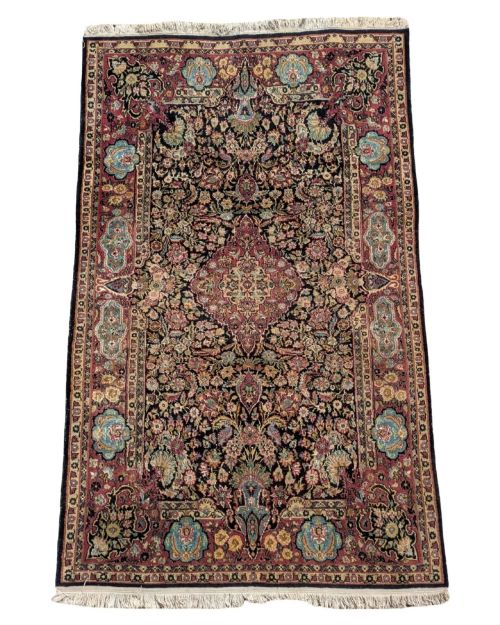
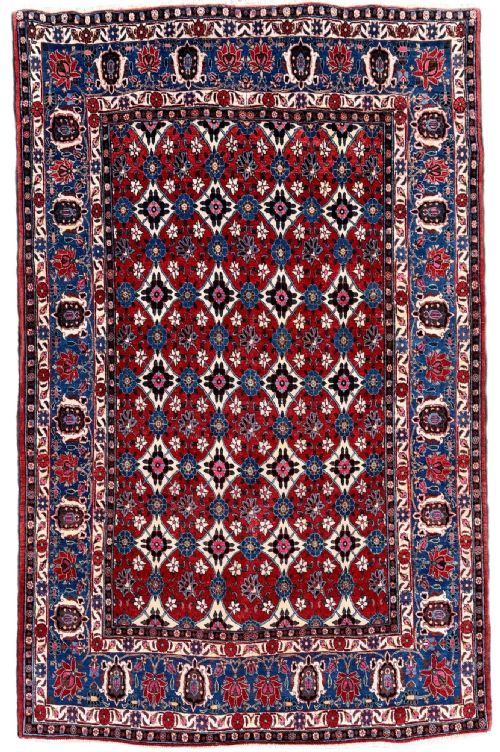
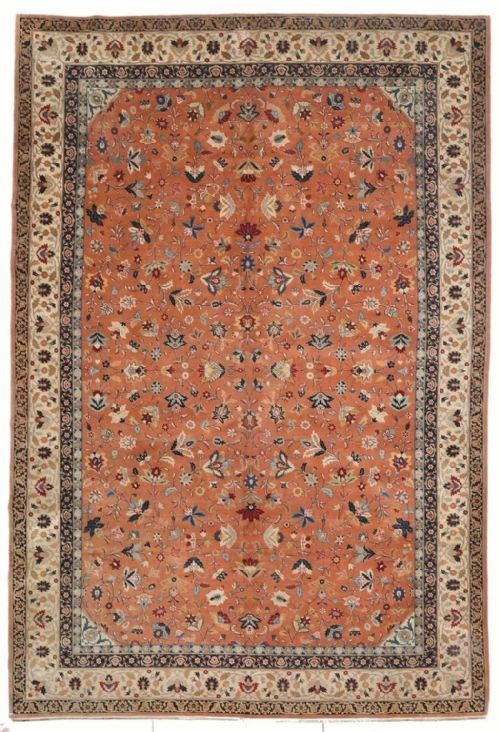
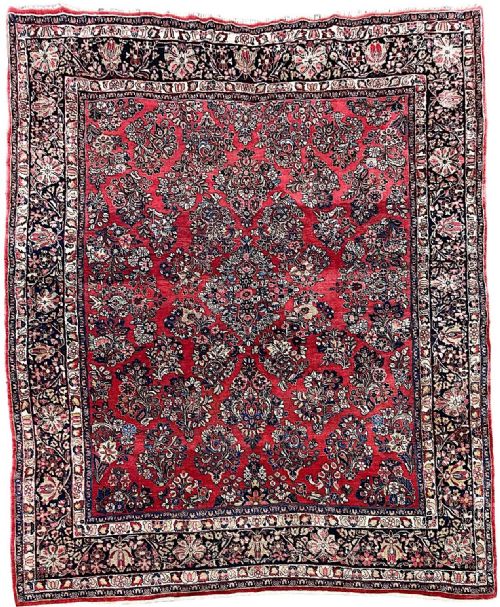
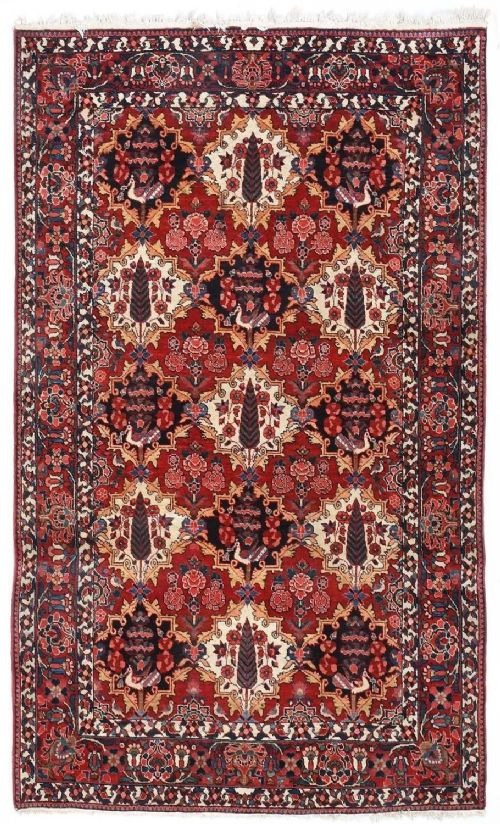
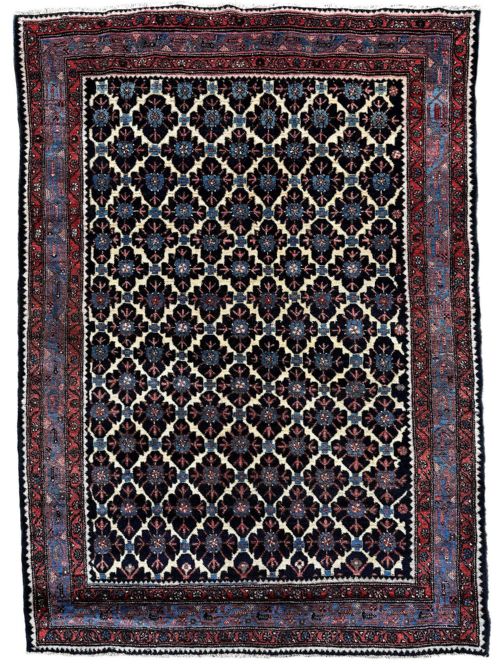
A floral patterned carpet encompasses hand-woven floor coverings featuring botanical motifs, traditional medallions, and repeating garden layouts. Buyers seeking a floral patterned carpet encounter diverse regional styles ranging from Persian weaving traditions to North Indian and Bessarabian workshops.
The selection on this page spans distinct periods from the eighteenth century through the early twentieth century. Pieces take the form of large carpets, area rugs, runners, and kilims.
Persian village and city productions dominate the offerings, including pieces attributed to Tabriz, Mahal, Kashan, and Heriz. Buyers also discover Caucasian kilims and Indian carpets utilising classic design vocabularies.
Materials and construction methods
These textiles rely primarily on wool pile hand-woven onto cotton or wool foundations. Certain examples incorporate silk highlights or mercerised cotton to add luminosity to specific botanical details within the design.
Weavers employed traditional hand-knotting techniques or flat-weaving methods depending on the regional workshop. Natural dyeing traditions and careful manipulation of staple fibres ensured structural longevity across generations.
Floral Patterned Carpet Retail Price Guide 2026
Typical asking prices for floral patterned carpet among the pieces listed under this phrase on Sellingantiques today, from the lower quarter to the upper quarter. They describe what is for sale here now, not the wider market.
Listings feature wool, cotton, silk, art silk, and mercerised cotton across multiple historical periods.
Assessing quality in antique carpets
Knot density and structural tightness dictate the precision of the botanical drawing and the resilience of the pile. Finer examples display crisp botanical outlines and well-defined floral repeat patterns.
The choice of wool quality and the depth of the pile influence how a rug handles foot traffic and light over time. Superior pieces maintain crisp contrast between the field and the border motifs.
The Floral Patterned Carpet Glossary
- Pile
- The upright yarn loops or cut ends that form the soft surface of a carpet. It provides the cushion and absorbs wear.
- Kilim
- A flat-woven textile produced without a pile. These pieces rely on interlocking weft threads to form geometric and floral patterns.
- Medallion
- A central ornamental motif placed in the middle of the carpet field. It often anchors the surrounding floral arrangement.
- Warp
- The vertical threads stretched tightly on the loom before weaving begins. The pile knots are tied around these foundational cords.
- Weft
- The horizontal threads passed across the warp to hold the knots in place. Proper tension here ensures structural stability.
Floral Patterned Carpet: Frequently Asked Questions
How do I clean a wool carpet?
Vacuum gently using suction attachments without a rotating brush bar to protect the wool pile from unnecessary friction and pull.
Professional specialist cleaning is recommended for deep maintenance to preserve the natural lanolin and dyed fibres.
Where were these carpets made?
Production centres span traditional weaving regions across Persia, the Caucasus, and North India. Major hubs include towns such as Tabriz, Kashan, and Heriz.
European regions like Bessarabia also contributed distinct flat-woven kilims with botanical compositions.
Can I place rugs on heated floors?
Wool and cotton textiles tolerate moderate underfloor heating provided the temperature remains stable and controlled. Extreme heat can dry out natural fibres and foundation yarns over time.
Using a breathable underlay helps maintain proper air circulation beneath the textile.
How do I identify regional designs?
Study the specific arrangement of floral motifs, border geometry, and the palette of vegetable dyes. Persian city workshops often feature intricate medallions, while village pieces display bolder, geometric interpretations.
Comparing knot counts and foundation materials offers further clues to the origin.