



Floral Painted Ironstone China
Floral painted ironstone china offers the robust practicality of heavy ceramic paired with vivid hand-brushwork, a durable choice for anyone seeking colourful antique tableware.
Floral Painted Ironstone China
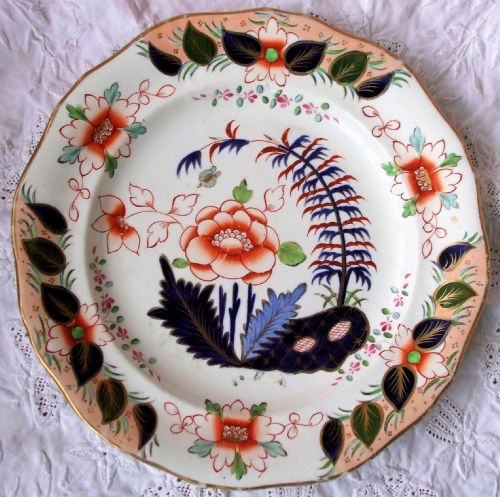
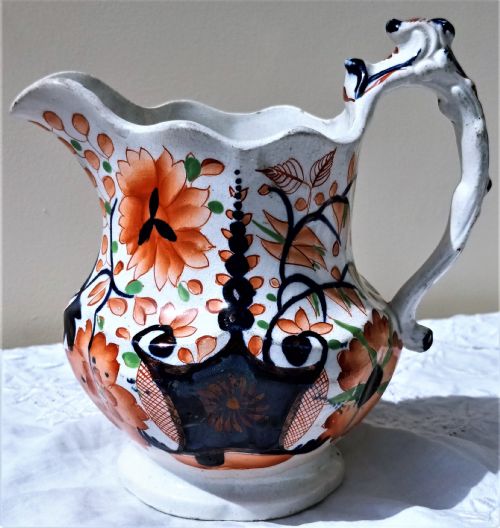
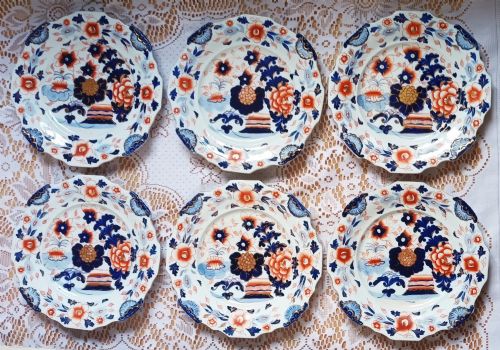
Floral painted ironstone china comprises nineteenth-century vessels and serving pieces made from a dense, durable ceramic body designed to withstand daily use while carrying rich hand-painted decoration. These items emerge from the Georgian and Victorian eras, taking the form of plates, comports, mugs, bowls, tureens, and large meat dishes.
The aesthetic bridges formal dining display and robust utility, frequently drawing on Regency Chinoiserie, Imari, and Japan pattern influences alongside Gaudy Welsh and Tonquin designs. Buyers encountering this selection will predominantly find nineteenth-century plates, serving dishes, and jugs displaying characteristic floral and botanical motifs.
Originating from English potteries, these pieces demonstrate how nineteenth-century makers adapted traditional porcelain aesthetics into a much stronger ceramic fabric. The surviving examples on this page represent the core table wares utilised in prosperous households during the Georgian and Victorian periods.
How they were made
The foundation of floral painted ironstone china relies on a heavy ceramic paste that combines earthenware clay with slag and feldspar, fired at high temperatures to achieve stone-like strength. This dense body provides an opaque white canvas capable of supporting thick glazes without warping during subsequent kiln firings.
Decoration is applied using enamel colours and occasionally gold leaf, painted directly over or under the glaze to depict intricate floral and patterned compositions. Skilled hands brushed pigments onto plates, jugs, and tureens before the final glazing process sealed the colours permanently into the surface.
Floral Painted Ironstone China Retail Price Guide 2026
Typical asking prices for floral painted ironstone china among the pieces listed under this phrase on Sellingantiques today, from the lower quarter to the upper quarter. They describe what is for sale here now, not the wider market.
Some nineteenth-century decorators clearly grew impatient with floral accuracy, leaving daisies with seven petals and roses the colour of sunset.
What varies in quality
Quality in floral painted ironstone china depends primarily on the precision and artistry of the hand-painted enamel decoration. Pieces displaying crisp, deeply saturated brushwork and carefully applied gold leaf stand apart from simpler, more hurried factory productions.
The fineness of the ceramic moulding and the crispness of relief details on forms such as comports and tureens also distinguish superior pieces. A well-preserved glaze that retains its original gloss without heavy scratching separates better-kept examples from heavily used kitchenware.
John Davenport of Longport·Mason
The Floral Painted Ironstone China Glossary
- Ironstone
- A heavy, durable type of ceramic patented in the nineteenth century as a tougher alternative to porcelain. It absorbs less moisture and resists chipping much better than standard earthenware.
- Comport
- A raised footed dish or bowl used for serving fruit or dessert during formal nineteenth-century meals. These elevated pieces add vertical variety to a dining table arrangement.
- Imari pattern
- A decorative style borrowing from Japanese porcelain, characterised by a palette of iron red, cobalt blue, and gold leaf. It appears frequently on nineteenth-century English ceramic wares.
- Tureen
- A deep covered vessel designed for serving soups, vegetables, or sauces at the table. They often feature matching stands or covers and elaborate handles.
- Enamel
- A glass-like coloured pigment fused to the surface of ceramic wares during firing. It provides the vibrant reds, blues, and greens seen in floral painted designs.
Floral Painted Ironstone China: Frequently Asked Questions
What is ironstone china?
Ironstone china is a heavy, semi-vitrified ceramic developed in the nineteenth century to provide an affordable and durable alternative to imported porcelain. It combines the strength of earthenware with the bright white appearance of true china.
The material proved exceptionally popular for domestic dining services because it resisted chipping and thermal shock much better than traditional pottery.
How do I date these pieces?
Dating floral painted ironstone china relies on examining the factory marks stamped into the base, the style of the hand-painted patterns, and the weight of the ceramic body. Georgian pieces often feature heavier potting and distinct Regency or Imari motifs.
Victorian examples frequently introduce brighter polychrome palettes and varied transfer-printed outlines filled in with enamel colours by hand.
Can I use them daily?
While ironstone was originally made for robust everyday dining, surviving antique pieces benefit from gentle treatment to preserve their hand-painted enamel and gold leaf decorations. Hand washing prevents the fading often caused by modern dishwashers.
Using soft cloths and mild detergents ensures the nineteenth-century glazes remain bright and free from chemical dulling.
What are comports used for?
Comports served as elevated centrepieces on nineteenth-century dining tables, typically holding fruit, sweets, or small desserts. Their raised pedestals created visual hierarchy among the flat plates and serving dishes.
Today, they function well for display or as practical serving vessels for gatherings.