



Floral Painted Ceramic Cup
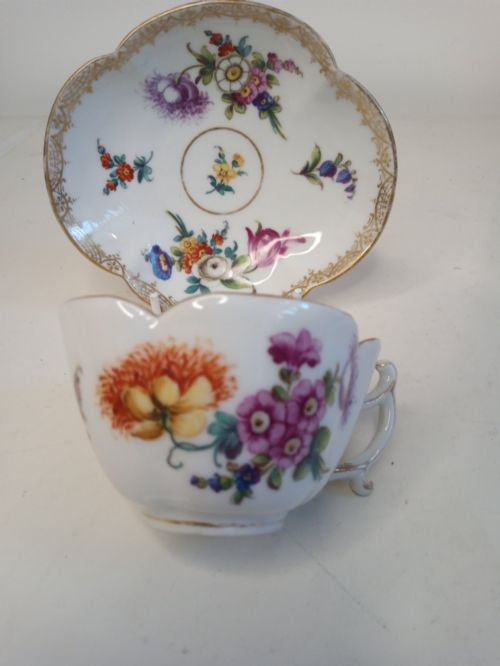
A floral painted ceramic cup brings bright botanical brushwork to the table, uniting historic potting traditions with vibrant hand-painted detail.
Floral Painted Ceramic Cup
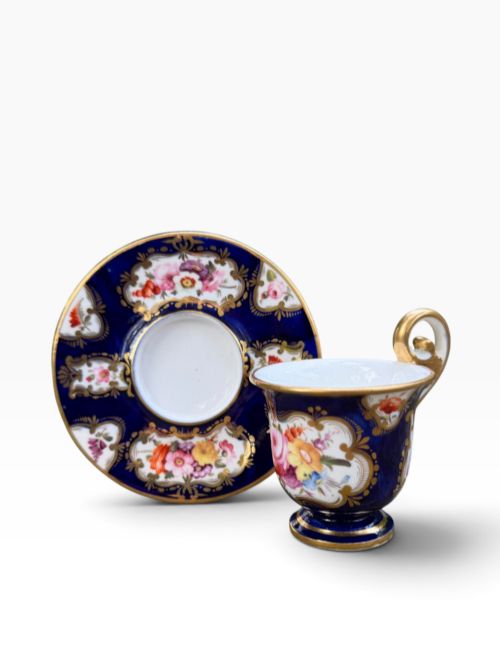
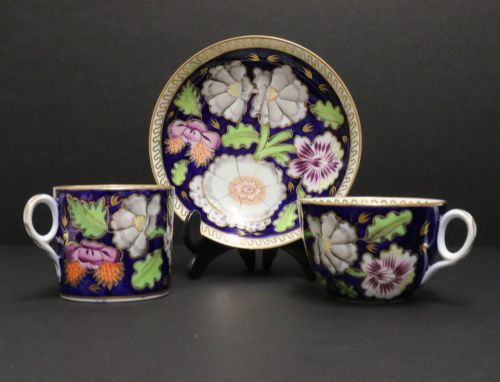
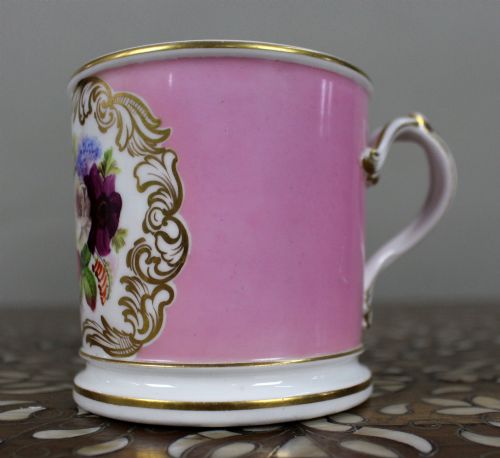
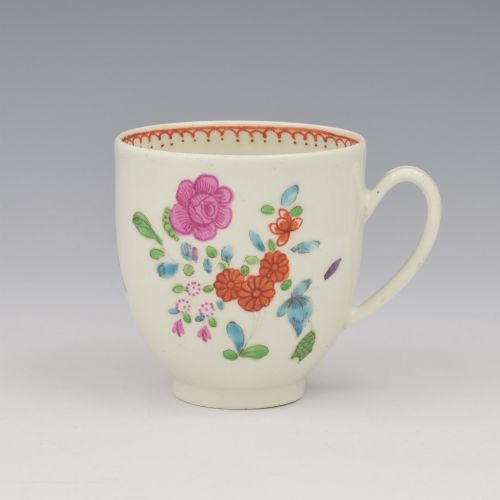
When you search for a floral painted ceramic cup, you encounter forms ranging from teacups and saucers to cabinet cups, mugs, loving cups, and demitasse vessels. These pieces date across the eighteenth century, Regency, Victorian, and Edwardian eras up to the nineteen-thirties.
The most common pieces on this page are eighteenth-century porcelain teabowls and coffee cups alongside nineteenth-century English porcelain trios and cabinet sets. Makers from Worcester, Coalport, and Royal Worcester appear frequently among the listings.
Materials and Techniques
Potters shaped these vessels using porcelain, soft-paste porcelain, earthenware, creamware, and ironstone, applying smooth glazes to create the primary surface. Artisans then painted floral motifs by hand, occasionally incorporating enamel pigments.
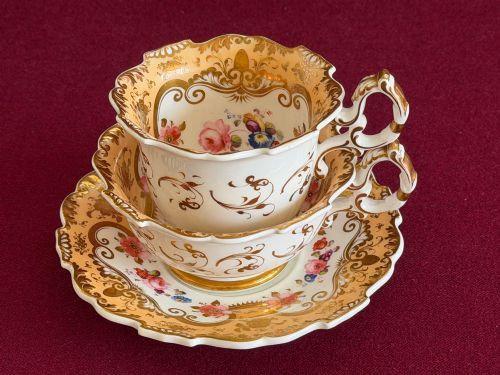
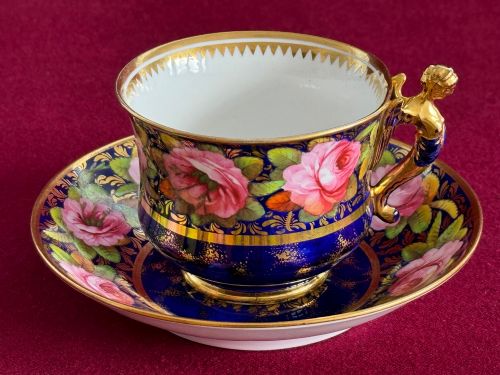
Makers finished many pieces with gold leaf, gilding, or gilt accents, particularly on Regency and Victorian cabinet cups and saucers.
Floral Painted Ceramic Cup Retail Price Guide 2026
Typical asking prices for floral painted ceramic cup among the pieces listed under this phrase on Sellingantiques today, from the lower quarter to the upper quarter. They describe what is for sale here now, not the wider market.
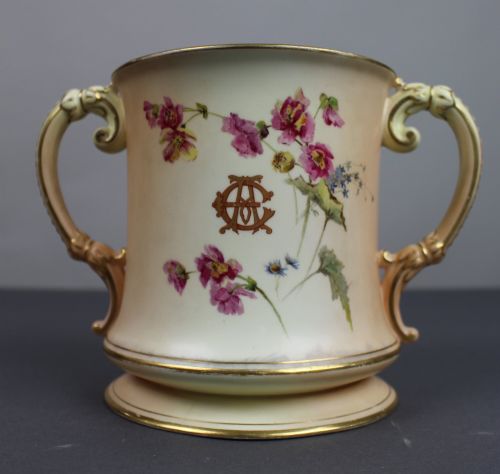
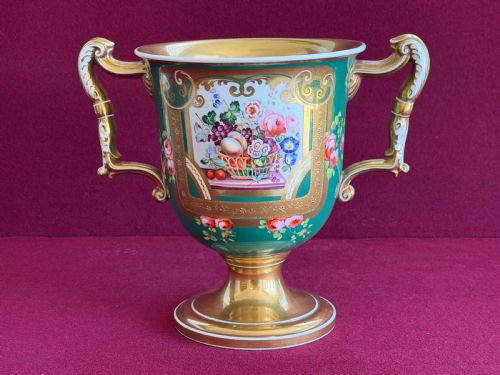
Some loving cups were built with multiple handles so drinkers could hold on tight while sharing toasts.
Craftsmanship and Execution
Quality rests in the precision of the hand-painted botanical details and the crispness of the porcelain body or earthenware form. Finer pieces display careful brushwork and harmonious enamel colours.
The integration of gilding and gold leaf distinguishes standard production wares from high-status cabinet pieces and exhibition pieces.
H & R Daniel·Richard Chaffers·Grainger Worcester·Coalport·Dr Wall Worcester·Royal Worcester·Gardner Moscow Factory·Davenport·Yates·Richard Ginori·Minton·Thomas Steel·Mason·Hutschenreuter·KPM
The Floral Painted Ceramic Cup Glossary
- Cabinet cup
- A decorative cup intended for display within a cabinet rather than for daily use. These pieces often feature elaborate painting and extensive gilding.
- Soft-paste porcelain
- An early ceramic composition fired at lower temperatures than hard-paste porcelain, producing a warm glaze and a softer body.
- Creamware
- A refined light-coloured earthenware developed in the eighteenth century. It provides a smooth surface well-suited for painted decoration.
- Trio
- A matching set comprising a teacup, a coffee cup, and a saucer. Trios became popular during the Regency period.
- Ironstone
- A durable heavy earthenware patented in the nineteenth century. It offers strong resistance to chipping while supporting colourful patterns.
Floral Painted Ceramic Cup: Frequently Asked Questions
What is a demitasse cup?
A demitasse is a small cup used for serving strong black coffee or espresso. These vessels often match intricate saucers and appear in twentieth-century porcelain.
Peculiar to service after meals, demitasse pieces allow for delicate floral hand-painting in a compact format.
How do I identify a Regency cup?
Regency floral painted ceramic cups typically exhibit refined shapes, delicate handles, and bright enamel colours with gilt detailing. Makers like Coalport and Davenport produced notable examples around this time.
Examine the base for factory marks or characteristic potting styles associated with the early nineteenth century.
What is a loving cup?
A loving cup is a large ceramic vessel featuring two or more handles designed for passing among guests at celebrations. Makers produced these in earthenware and porcelain during the nineteenth century.
Floral painted versions often combine bold botanical decoration with substantial potting.
How are eighteenth-century cups different?
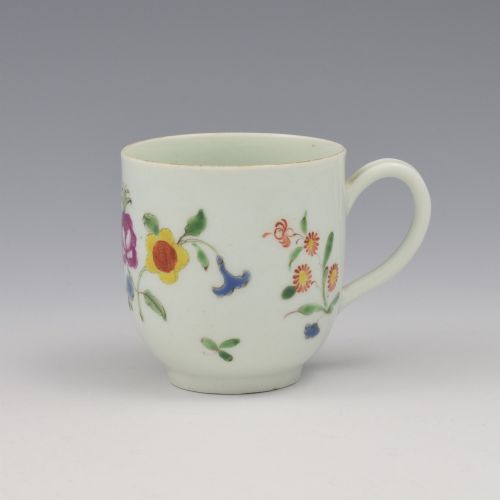
Eighteenth-century pieces, including Liverpool and Worcester productions, frequently utilise soft-paste porcelain or creamware with hand-painted polychrome floral designs. These early items often lack handles in the teabowl tradition.
Subtle variations in the glaze and weight distinguish these historical pieces from later Victorian wares.