



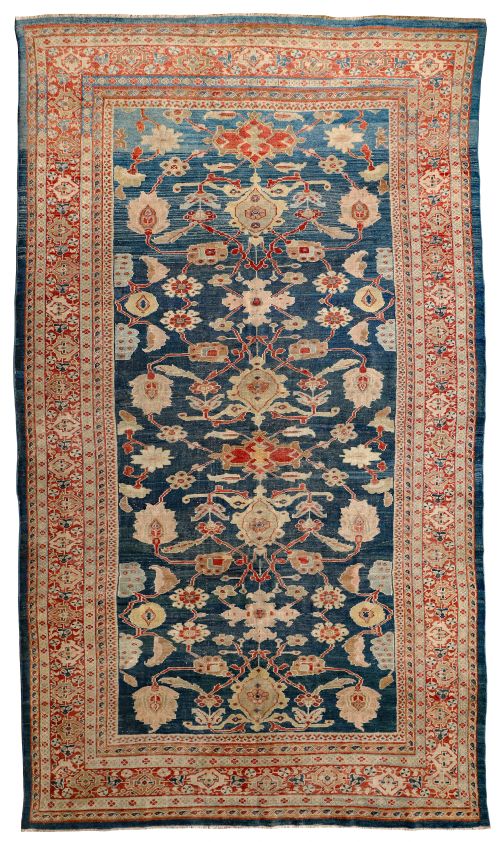


Floral Motif Carpet
A floral motif carpet brings centuries of textile artistry indoors, offering intricate botanical patterns woven from durable natural fibres.
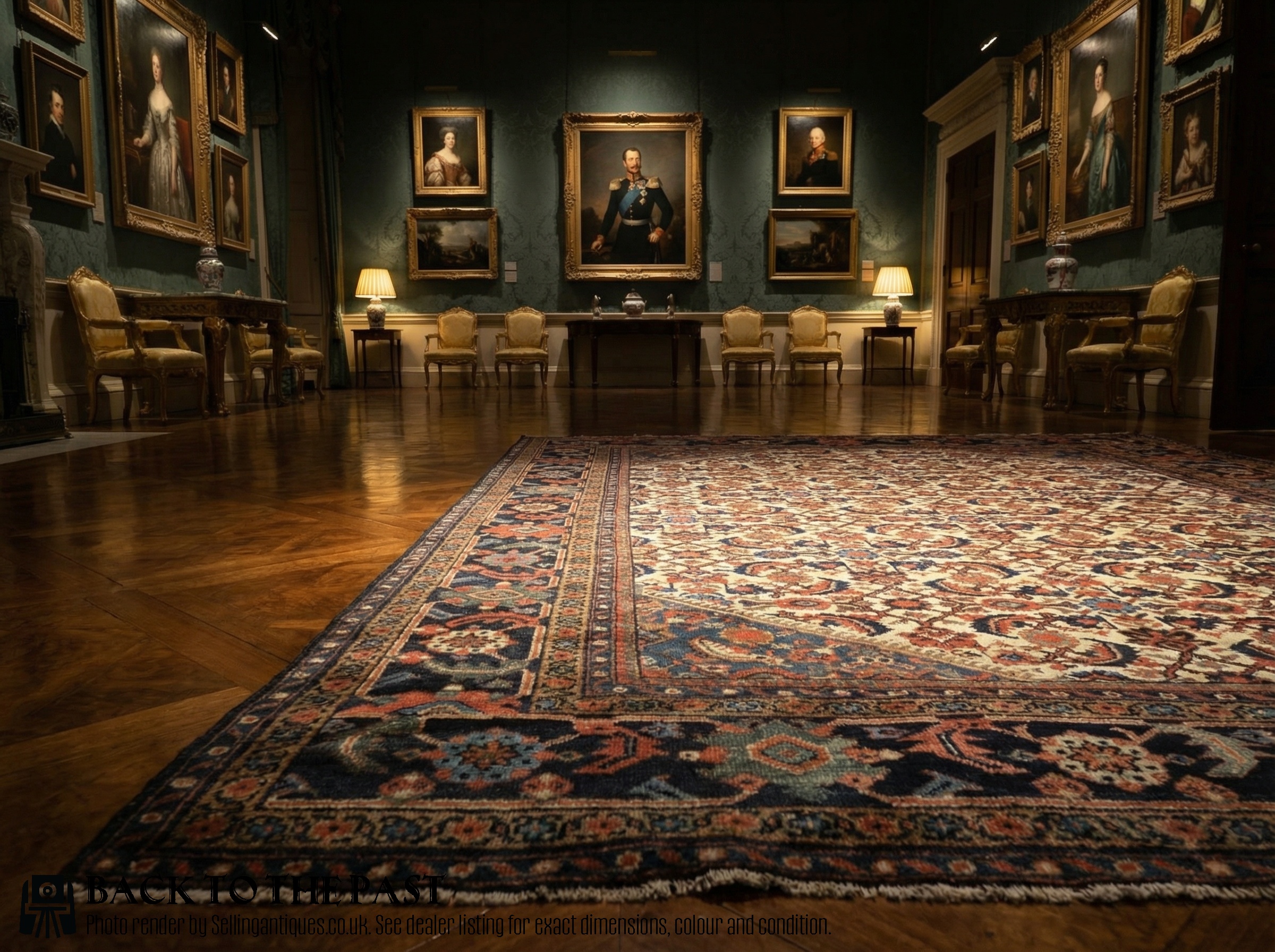
Floral Motif Carpet
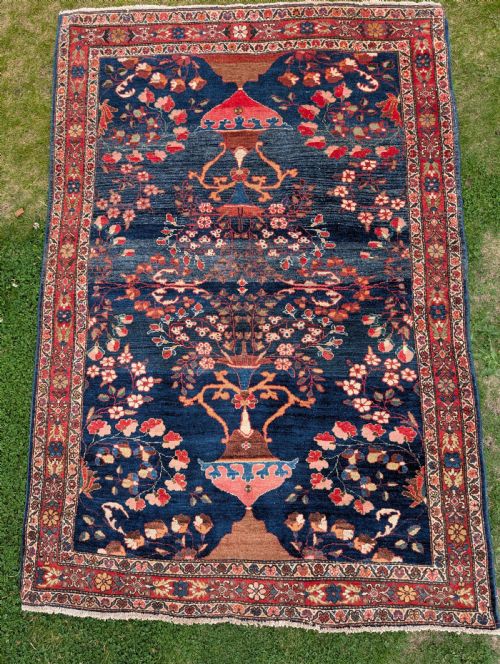
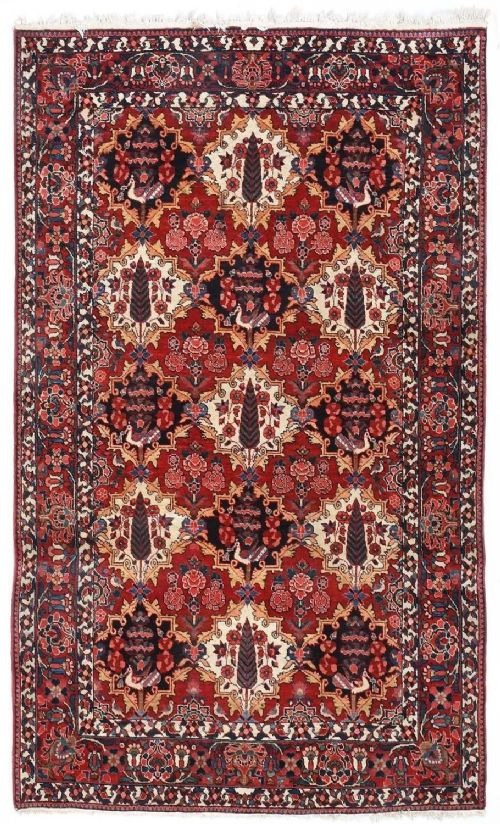
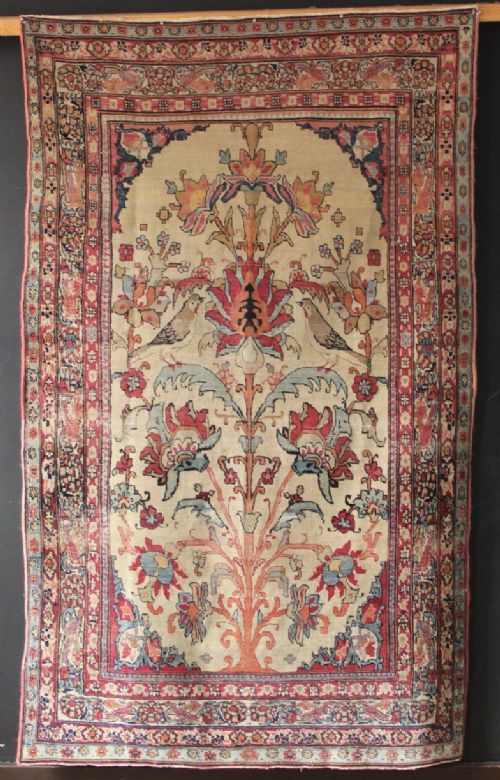
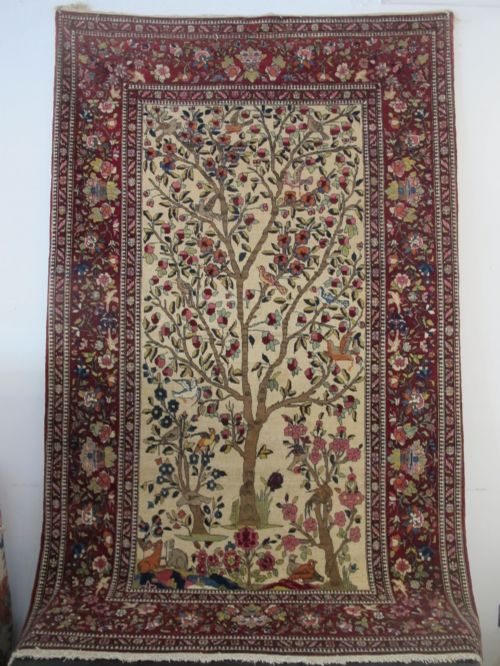
When you search for a floral motif carpet, you encounter woven floor coverings originating from Persian centres, European kilims and needlepoints, spanning the nineteenth and early twentieth centuries. These pieces present intricate botanical patterns, floral boteh designs, and garden compositions translated into wool, cotton, and canvas.
The selections on this page lean heavily toward Persian village and city workshops, alongside Bessarabian kilims and Portuguese needlepoints. You find everything from compact scatter rugs to large country house carpets, reflecting diverse regional weaving traditions.
Materials and construction methods
Weavers constructed these carpets predominantly using wool for the pile, often set upon cotton foundations for structural stability. Certain flatwoven examples utilise wool and canvas without a raised pile, relying instead on interlocking or embroidered tapestry techniques.
Dyers employed natural colourants to achieve deep tones across the wool and silk fibres. Skilled hands knotted or stitched each botanical element by eye, resulting in resilient textiles designed for daily domestic use.
Floral Motif Carpet Retail Price Guide 2026
Typical asking prices for floral motif carpet among the pieces listed under this phrase on Sellingantiques today, from the lower quarter to the upper quarter. They describe what is for sale here now, not the wider market.
The listings span from the late eighteenth century through to the Art Deco period, showcasing wool, cotton, silk, and canvas.
Distinctions in quality
The standard of a floral motif carpet rests upon the precision of the knotting and the complexity of the botanical drawing. Finer examples display tightly packed knots that render curves and petal edges with absolute clarity.
Materials also dictate rank, with lustrous wool grades and occasional silk highlights setting superior pieces apart from coarser village productions. The harmony of the natural dye palette and the integrity of the original borders complete the distinction.
Mohtasham Kashan·Ahmadi Isfahan
The Floral Motif Carpet Glossary
- Boteh
- A stylised almond or pear-shaped motif representing a flower, leaf, or flame. This ancient Persian design appears frequently across field and border patterns.
- Kilim
- A flatwoven textile produced without a pile by tightly interweaving warp and weft threads. Bessarabian examples often employ this method for bold floral displays.
- Pile
- The vertical or slanted upright loops of yarn that form the soft surface of a carpet. It is shorn evenly after weaving to define the floral pattern.
- Warp
- The stationary longitudinal threads stretched onto a loom before weaving begins. Cotton or wool warps provide the foundational skeleton for the entire rug.
Floral Motif Carpet: Frequently Asked Questions
Where were these floral carpets made?
These carpets originate from traditional weaving regions across Persia, including Isfahan, Kashan, Kirman, and Sultanabad, alongside European workshops in Bessarabia and Portugal.
Each region developed distinct botanical layouts and colour palettes, allowing specialists to identify the specific geographic origin of a textile.
How do I care for an antique carpet?
Protect the wool and cotton fibres by vacuuming gently without a rotating brush roll, and keep the textile away from direct, prolonged sunlight.
Professional specialist cleaning is essential every few years to remove embedded dust safely without damaging the natural dyes.
How do I distinguish between styles?
Persian carpets typically feature dense central medallions and intricate floral vines woven in a dense knotted pile. European flatweaves and needlepoints rely on open black or dark grounds supporting naturalistic floral bouquets.
Examining the reverse side reveals the knot density and structural foundation used by the specific culture.
Were these rugs used on floors?
Most pieces served as practical floor coverings in substantial reception rooms, country houses, and parlours. Needlepoint and specific kilim formats also functioned as decorative wall hangings or furniture covers.
Their robust wool construction was designed to withstand heavy domestic foot traffic over generations.