


Floral Gilt Bronze Mount
These pieces of floral gilt bronze mount bring sculptural brass and ormolu framing to nineteenth-century cabinetwork and porcelain.
Floral Gilt Bronze Mount
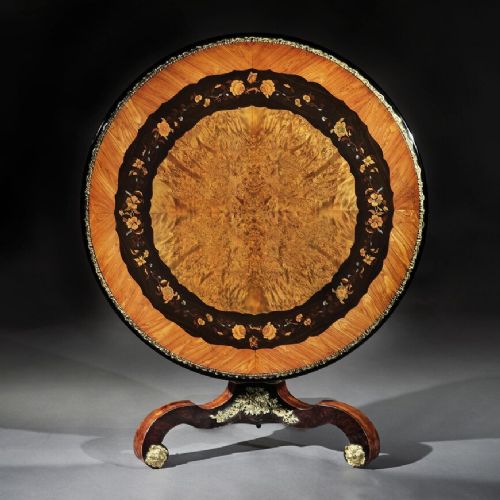
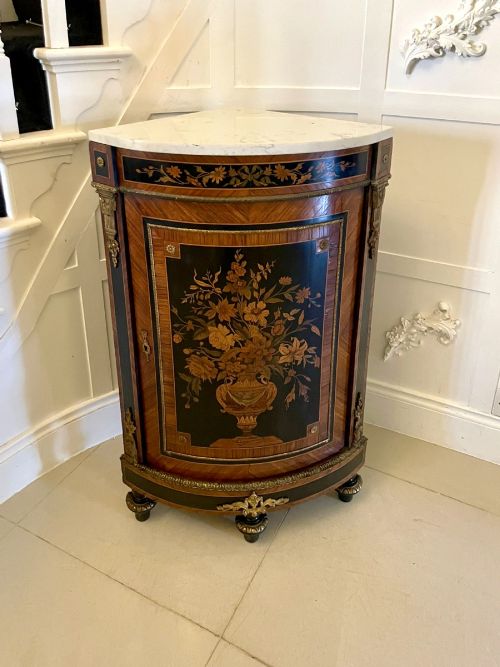
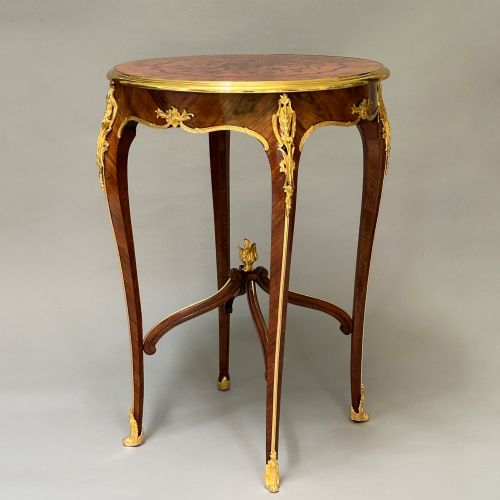
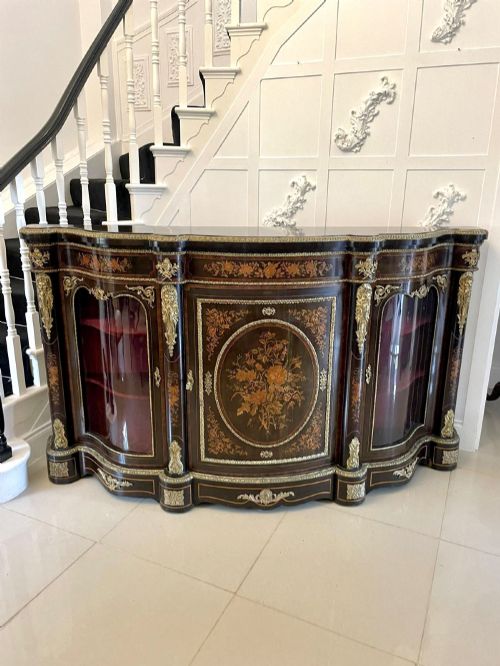
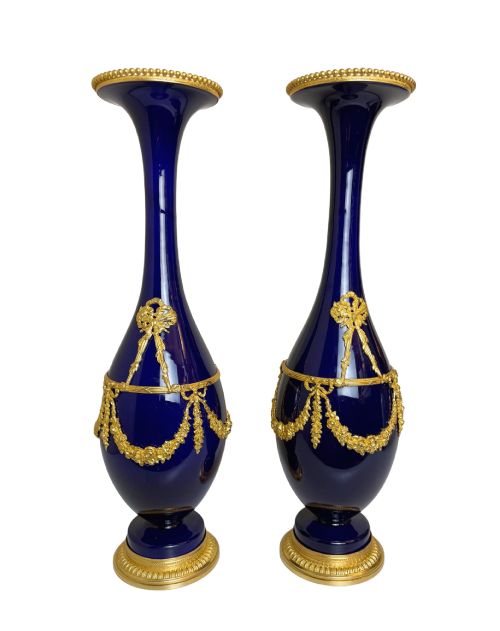
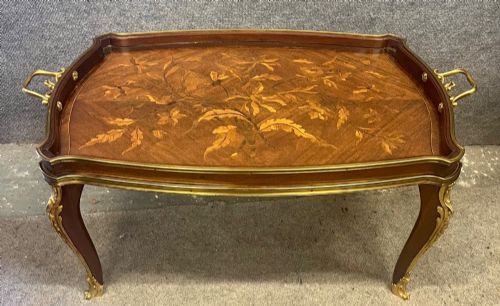
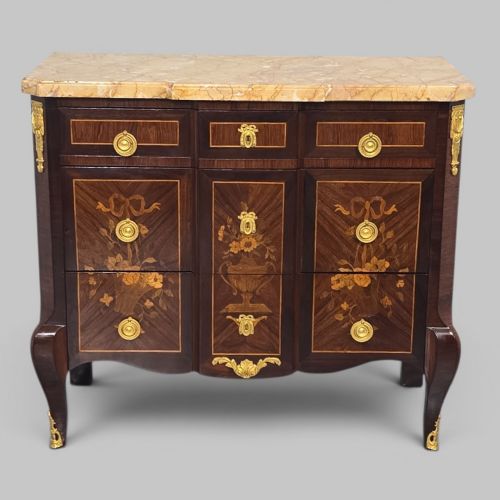
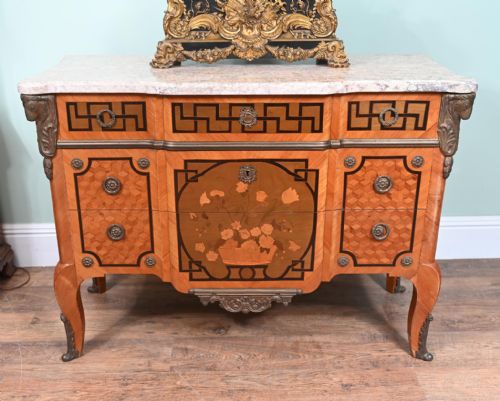
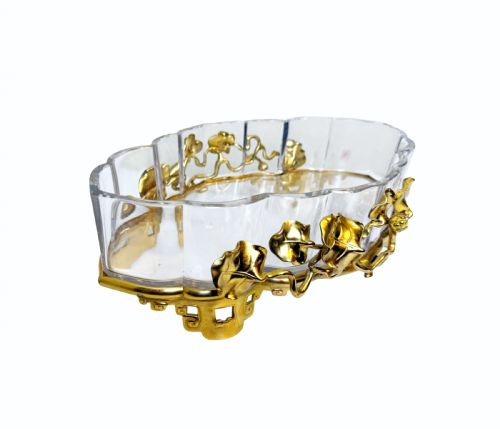
A floral gilt bronze mount serves as decorative hardware or framing on nineteenth-century European furniture, clocks, and porcelain vessels. These decorative elements appear across diverse forms including centre tables, side cabinets, commodes, and ceramic vases from Victorian and French revival periods.
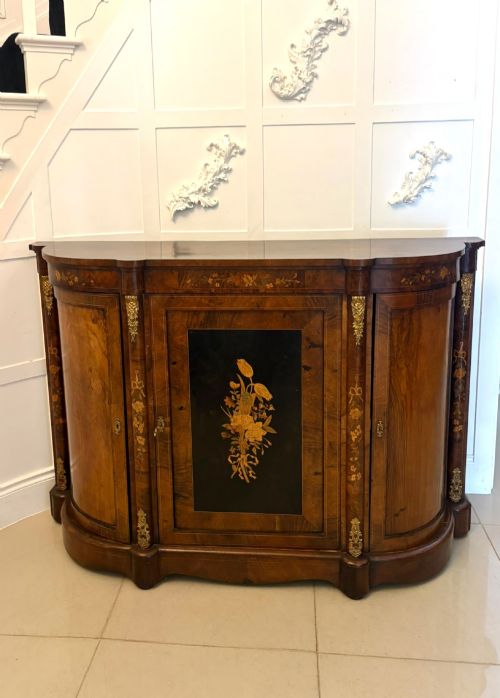
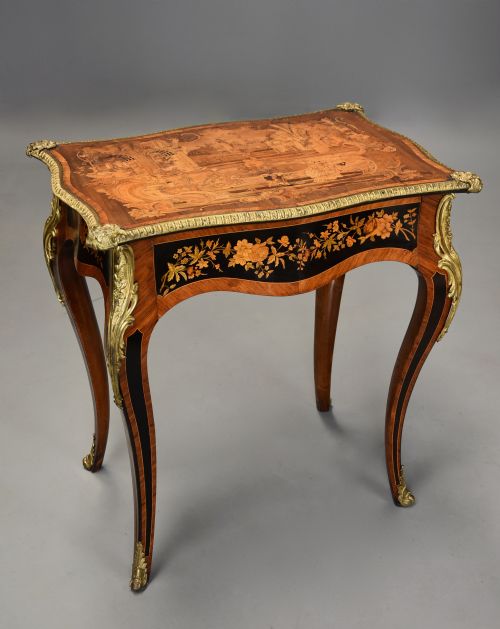
The version most commonly met on this page is the floral marquetry or ormolu-mounted cabinet and table, where cast bronze foliage accents timber surfaces. Such pieces reflect nineteenth-century preference for French Louis XV and Louis XVI styles adapted by English and continental makers.
How They Were Made
The metal components begin as cast bronze, frequently gilded with mercury or electroplated gold to produce a bright ormolu finish. These mounts are then chased and hand-finished before being screwed or pinned onto timber carcasses and porcelain bodies.
The wooden structures beneath the mounts utilise hardwoods such as kingwood, rosewood, walnut, and mahogany, often inlaid with floral marquetry in contrasting veneers. Marble tops and ceramic inserts complete the composite construction typical of nineteenth-century revival furniture.
Even metal foliage needs a gentle dusting.
What Varies In Quality
The crispness of the bronze chasing dictates the visual success of the mount, separating sharp, hand-tooled foliage from softer, cast-only production. Superior mounts retain clean undercuts and defined veining that catch the light.
The integration between metal and substrate also determines standard; premium examples feature mounts that follow the precise contours of the timber or porcelain without gaps. The complexity and precision of the surrounding marquetry inlay further separate standard production from exhibition pieces.
Edward Holmes Baldock·Paul Sormani·Jackson and Graham
The Floral Gilt Bronze Mount Glossary
- Ormolu
- Gilded bronze used for decorative mounts and hardware. The technique involves applying a gold amalgam to bronze before heating.
- Marquetry
- Inlaid wood veneers forming pictorial or floral patterns on furniture surfaces. Craftsmen use contrasting timbers to create shaded botanical motifs.
- Pâte-sur-Pâte
- A ceramic decoration method where liquid white clay is painted in layers onto a coloured body. This builds up a low-relief cameo effect before firing.
- Credenza
- A sideboard or display cabinet originating in the nineteenth century. These pieces frequently incorporate gilt bronze mounts and marquetry panels.
- Commode
- A decorative chest of drawers standing on legs. French examples from the nineteenth century often display serpentine fronts and heavy ormolu mounts.
Floral Gilt Bronze Mount: Frequently Asked Questions
How do I clean gilt bronze mounts?
Dust the metal gently with a soft, dry brush to prevent accumulation in recessed chasing. Avoid commercial metal polishes, which can strip the original gilding.
Maintain stable humidity levels in the room to protect both the bronze and the underlying timber or porcelain. Professional conservation is recommended for tarnished or damaged surfaces.
Are these mounts removable?
Most mounts are secured with original brass screws or pins passing through the bronze into the wood or ceramic body. Removing them risks damaging the surrounding veneer or porcelain.
Leaving the hardware intact preserves the structural integrity and historical state of the piece. Replacements, if necessary, require matching period fastening methods.
How do I date a piece with these mounts?
Examine the casting quality and style of the bronze work alongside the timber construction methods. Nineteenth-century revival pieces often combine historical motifs with contemporary joinery techniques.
Cross-reference the cabinetmaker marks, timber species, and secondary woods to narrow down the decade of production. Surviving pieces frequently align with Victorian or French nineteenth-century periods.
Where were these items used originally?
These decorative objects and mounted cabinets furnished principal reception rooms in nineteenth-century townhouses and country estates. They served both functional storage roles and decorative display purposes.
Today, they function as focal points in domestic interiors, accommodating lamps, clocks, or collected porcelain. Their mixed media construction allows them to sit comfortably among various antique styles.