



Floral Dial Clock
These floral dial clock examples unite horology with botanical painting, bringing hand-painted flora and refined mechanics into domestic spaces.
Floral Dial Clock
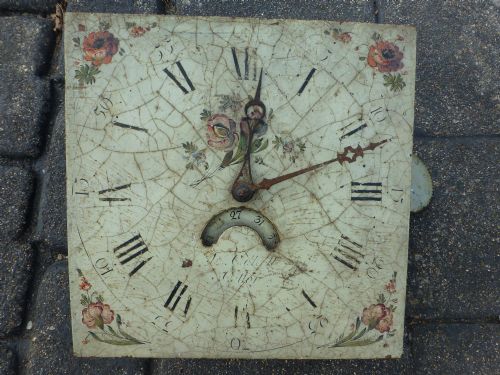
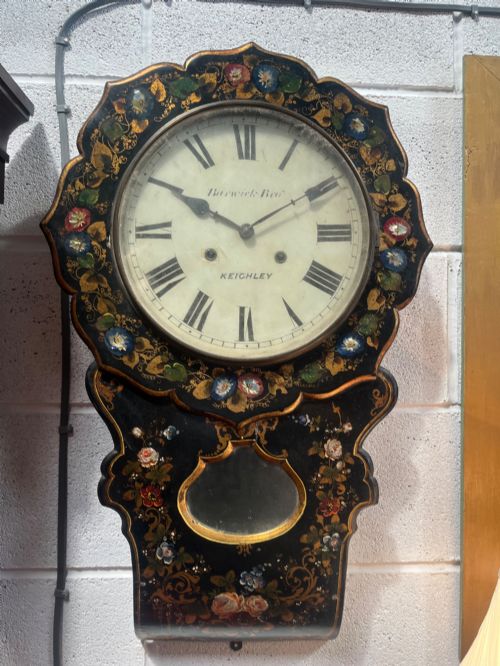
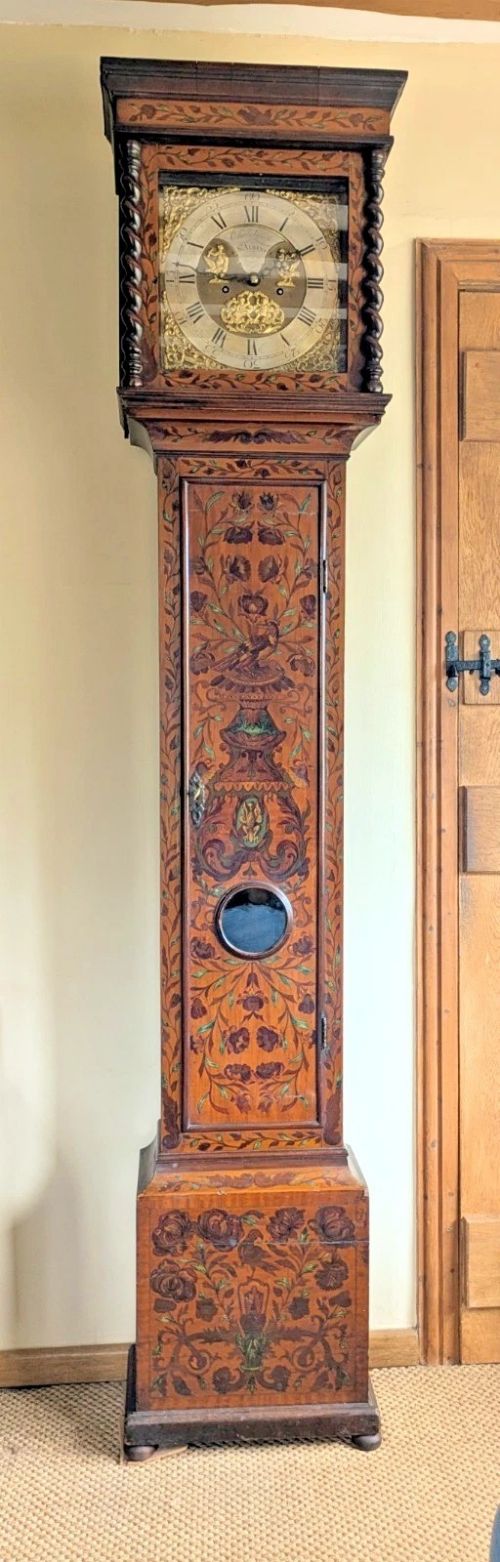
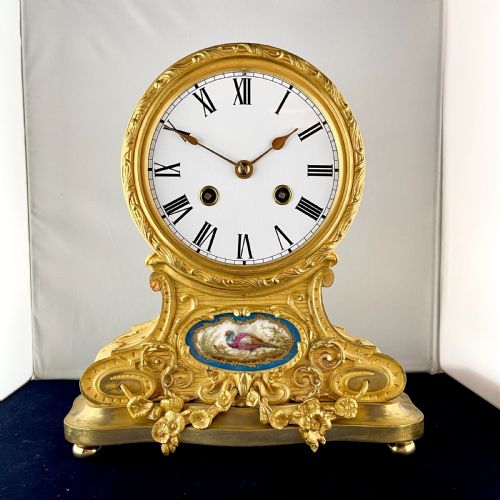
A floral dial clock combines traditional timekeeping with botanical artistry, frequently appearing across longcase, mantel, and wall-hanging formats. Buyers seeking this phrase encounter pieces ranging from seventeenth-century marquetry longcases to nineteenth-century French mantel clocks and wall clocks.
The horological forms vary widely, including fusee wall brackets, drumhead mantel pieces, and delicate carriage clocks. Materials such as walnut, ebonised wood, gilt bronze, and painted wood provide the structural housing for these painted faces.
Origins stretch from English workshops in London and St Albans to French and Swiss makers. Eighteenth-century longcases and nineteenth-century domestic clocks form the core of the items seen here.
How they were made
Clockmakers utilised solid woods like oak, walnut, and ebonised timber alongside marquetry inlay for the cabinetry. Dial faces received hand-painted floral decoration directly on enamel, metal, or wood surfaces.
Movements relied on brass gear trains, ranging from simple timepieces to complex fusee and quarter-striking mechanisms. Ormolu, gilt bronze, and glass components completed the decorative and protective housing.
Floral Dial Clock Retail Price Guide 2026
Typical asking prices for floral dial clock among the pieces listed under this phrase on Sellingantiques today, from the lower quarter to the upper quarter. They describe what is for sale here now, not the wider market.
Current listings span from the 17th century to the 1920s, incorporating materials like walnut, glass, brass, and gilt bronze.
What varies in quality
The refinement of the hand-painted floral decoration on the dial separates standard production from superior work. Subtle shading and careful botanical detail indicate a more accomplished artisan.
Cabinetry execution, such as intricate marquetry inlay in walnut or detailed gilt bronze mounts, distinguishes finer pieces. The sophistication of the movement, from basic timepieces to fusee or quarter-striking systems, dictates the horological standing of the clock.
Charles Louch St Albans·Nathaniel Pyne·Peter Wise·Henry Massy·Richard Baker·Marti
The Floral Dial Clock Glossary
- Fusee
- A conical pulley used in spring-driven clocks to maintain even tension as the mainspring unwinds. This mechanism helps the clock maintain consistent timekeeping.
- Marquetry
- The art of applying pieces of veneer to a structure to form decorative patterns. Floral and geometric motifs in contrasting woods frequently adorn longcase bodies.
- Ormolu
- Gilded bronze used for decorative mounts and architectural elements on mantel clocks. This technique provides a rich metallic finish popular in French design.
- Drumhead
- A circular clock case mounted on a stepped base, resembling a drum on its side. This mantle clock format gained popularity during the nineteenth century.
- Quarter striking
- A clock mechanism that chimes the quarters of the hour in addition to tolling the full hours. This complication demonstrates advanced horological skill.
Floral Dial Clock: Frequently Asked Questions
How do I care for my clock?
Keep wooden cases away from direct sunlight and rapid temperature changes to protect the finish and marquetry. Ensure the clock is placed on a stable, level surface for proper pendulum and movement operation.
Professional servicing every few years keeps the brass gears and springs functioning correctly.
Where were these clocks made?
The pieces originate primarily from English, French, and Swiss workshops. London and St Albans makers produced longcases, while French makers specialised in mantel and carriage clocks.
Regional differences in cabinetry and dial painting reflect these distinct geographic origins.
How do I identify the period?
Examine the materials, cabinet style, and dial characteristics to determine the era. Seventeenth and eighteenth-century pieces often feature marquetry longcases, while nineteenth-century items include gilt bronze and ebonised mantel clocks.
Signatures on the dial or movement can also point to active working dates of specific makers.