




Floral Central Medallion Rug
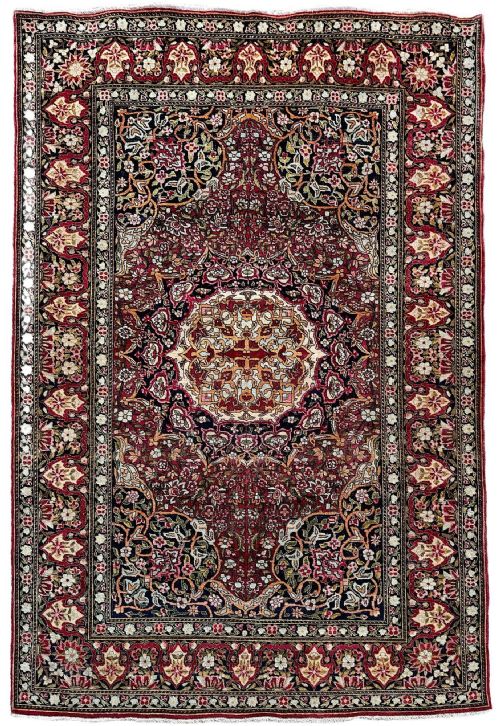
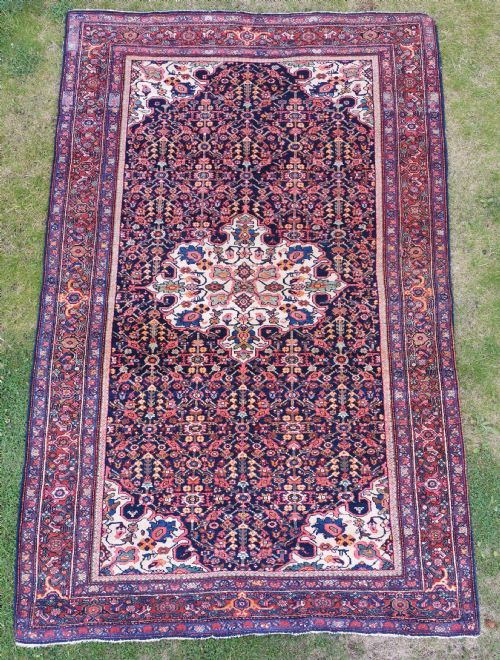
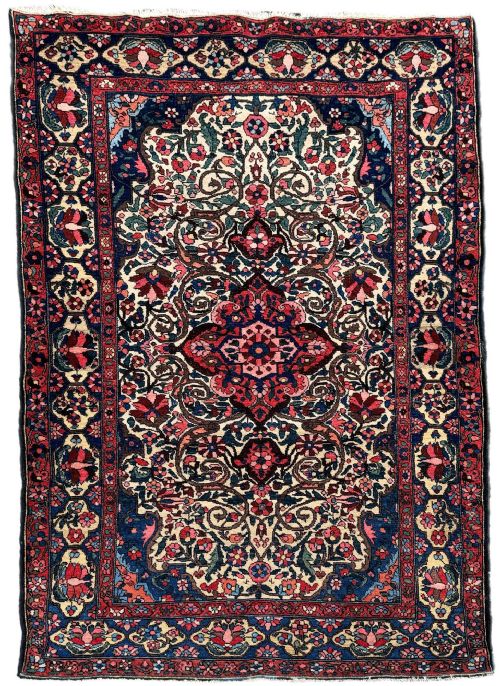
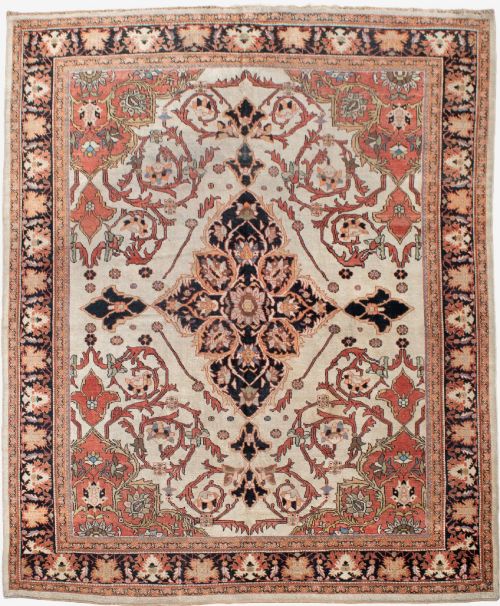
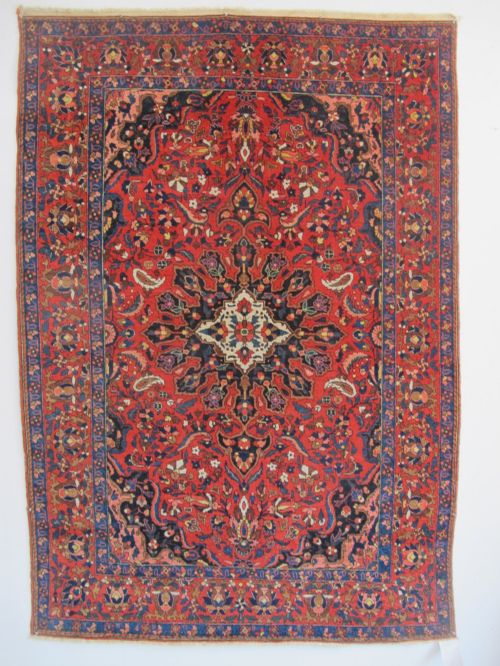
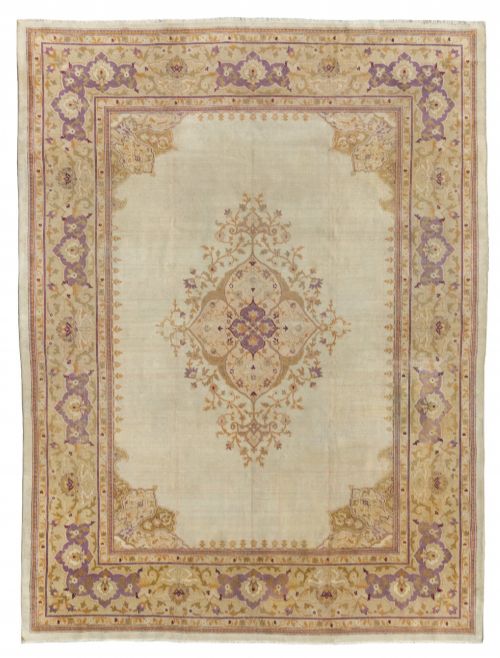
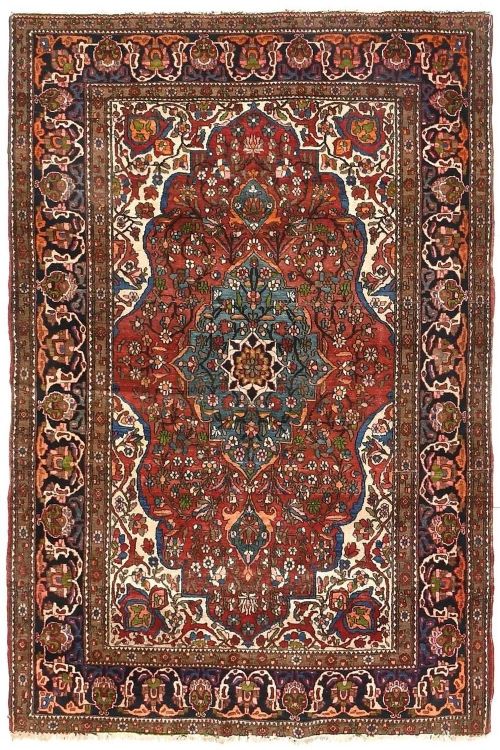
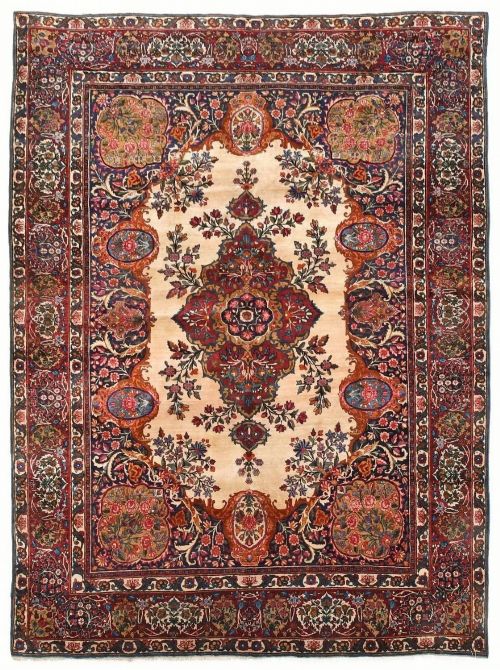
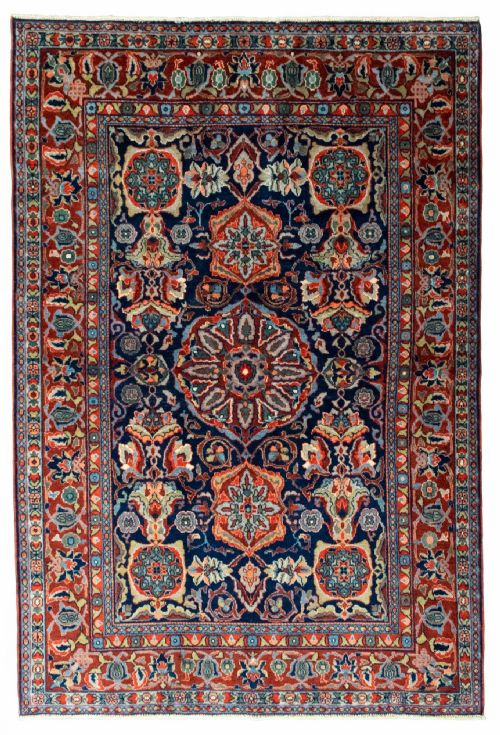
A floral central medallion rug anchors a room with structured symmetry, drawing the eye to a precise focal point set amid traditional Persian and regional motifs.
Floral Central Medallion Rug
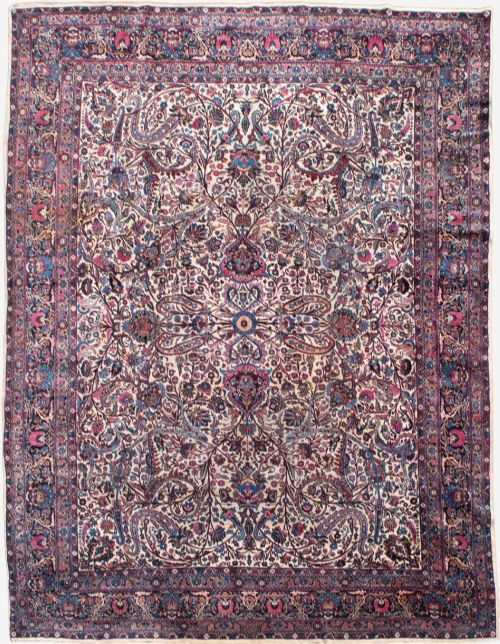
A floral central medallion rug is defined by a prominent middle motif surrounded by floral elements, drawing directly from traditional Persian weaving traditions and regional variations. Buyers browsing this page will encounter pieces originating from workshops and villages across Persia, alongside North Indian and Turkish examples.
The selections span the nineteenth century through the early twentieth century, taking the form of area rugs, room-size carpets, and long runners. Persian provenances such as Isfahan, Kirman, Kashan, and Sarouk dominate the inventory, accompanied by pieces from Amritsar and Ushak.
Most items reflect established village and city weaving centres, presenting dense floral fields, corner spandrels, and geometric borders structured around the central design. These textiles serve both functional floor coverings and historical decorative elements for interiors.
Materials and construction methods
These floor coverings utilise natural fibres, primarily relying on wool foundations and piles, often paired with cotton warps and wefts to provide structural stability. Certain examples incorporate silk highlights or art silk elements to accentuate specific floral details within the pattern.
Weavers employed hand-knotting techniques on upright looms, working with materials such as cork wool and mercerised cotton to achieve varied pile depths and surface textures. Natural dyes yielded the traditional colour palettes seen across the nineteenth and early twentieth-century pieces.
Some antique runners retain slight width variations from end to end, revealing the natural shrinkage of hand-spun wool under village loom tension.
Assessing quality in woven carpets
Quality rests upon knot density, the precision of the central medallion geometry, and the fineness of the botanical drawing in the field. Finer wools and the inclusion of silk highlights indicate greater workshop labour and material refinement.
The clarity of dye distribution and the intentional balance between the central motif and the surrounding border system distinguish standard village pieces from exceptional city workshop productions.
The Floral Central Medallion Rug Glossary
- Medallion
- The central ornamental motif placed in the middle of the carpet field. It provides the primary focal point around which the surrounding floral design is arranged.
- Spandrel
- The triangular corner pattern situated in the corners of the rug field, typically framing the central medallion.
- Knot density
- The measurement of individual knots per square unit of carpet. Higher counts generally permit more intricate and curvilinear floral detailing.
- Warp
- The vertical threads stretched lengthwise on the loom before weaving begins. The foundation fringe emerges directly from these parallel threads.
- Weft
- The horizontal threads passed alternately over and under the warp threads to bind the knots in place. This technique secures the structural integrity of the textile.
Floral Central Medallion Rug: Frequently Asked Questions
How do I place a medallion rug in a room?
Position the piece so that the central motif aligns with the focal point of the furniture arrangement, such as the centre of a seating group or beneath a coffee table. This lets the geometric symmetry command the floor space without obstruction.
Ensure enough surrounding floor remains visible to frame the borders properly. Keeping the primary medallion uncovered preserves the visual balance of the room.
What is the difference between city and village rugs?
City workshop pieces usually feature curvilinear floral designs, higher knot counts, and materials like silk highlights or fine wool. They reflect structured urban production centres.
Village pieces tend to display more geometric interpretations, sturdier wool structures, and asymmetrical quirks introduced by individual weavers working without rigid cartoons.
How should I care for an antique wool carpet?
Vacuum gently using suction only, avoiding the rotating brush bars that can pull at antique wool piles and fringes. Lift the nozzle rather than dragging it across the surface.
Rotate the carpet periodically to ensure even wear from foot traffic and sunlight exposure. Professional cleaning should be undertaken sparingly by specialists in antique textiles.
How can I tell the age of a Persian carpet?
Dating relies on stylistic markers, dye analysis, structural materials, and regional weaving characteristics typical of specific decades. Comparisons with documented examples from centres like Kashan, Kirman, or Isfahan provide reliable chronological windows.
Natural variations in hand-spun wool and traditional dye palettes help distinguish nineteenth-century pieces from later twentieth-century productions.