





Floral Carved Screen
These floral carved screen pieces are decorative household shields and dividers, offering warmth regulation and intricate hand-carved detail.
Floral Carved Screen
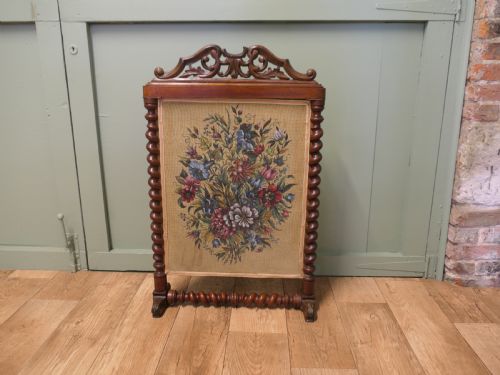
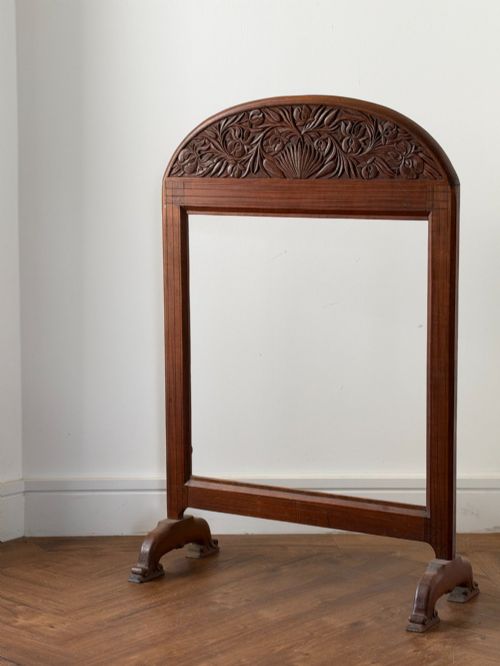
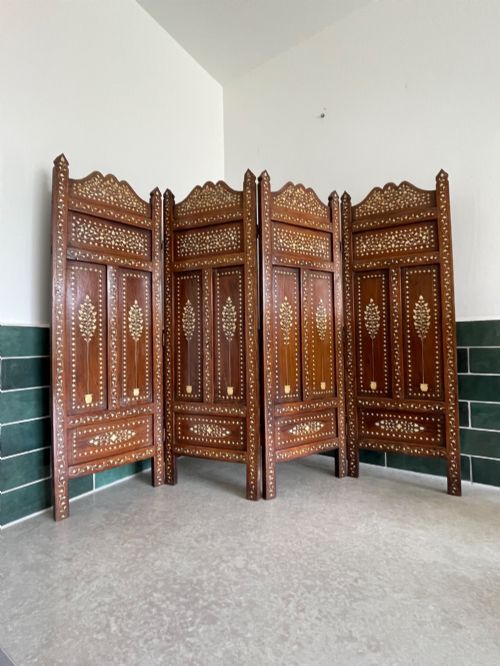
A floral carved screen serves as a functional room divider or a hearthside barrier, shielding occupants from the direct heat of an open fire. When searching for a floral carved screen, buyers typically encounter Victorian pole screens, freestanding floor panels, and smaller tabletop variations originating from diverse regional traditions.
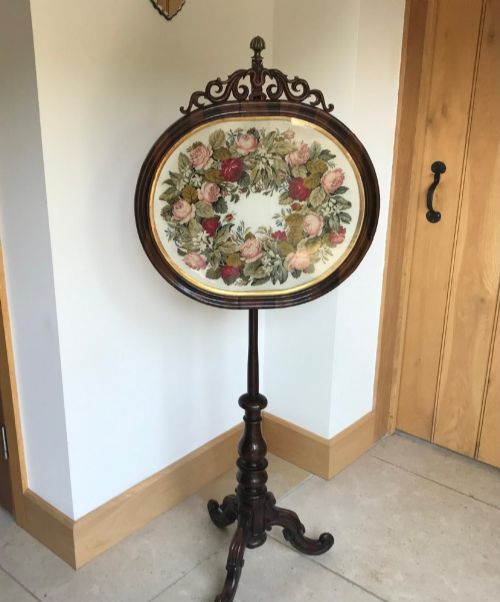
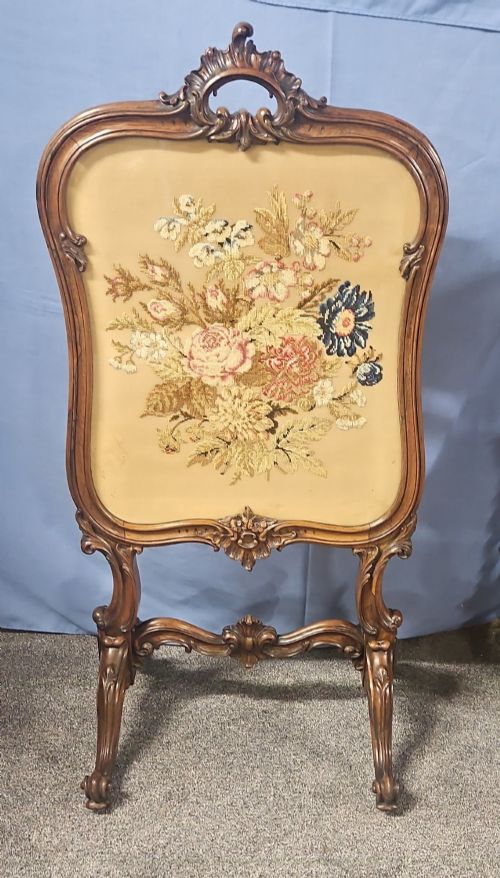
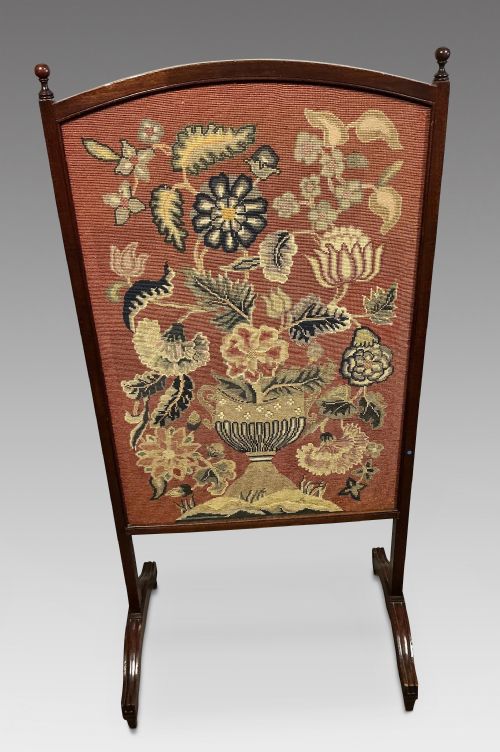
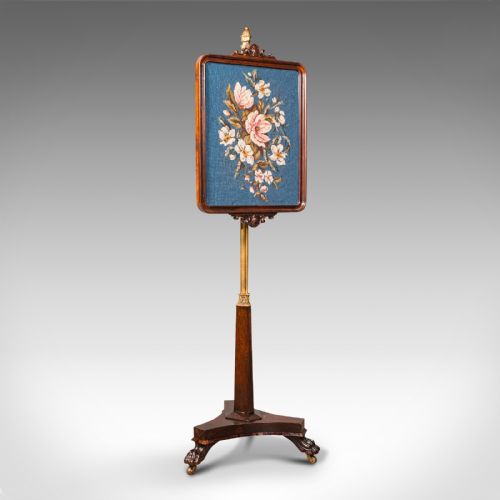
The selection ranges from tall tripod pole screens featuring adjustable needlepoint panels to larger mahogany, walnut, and rosewood folding or static frames. Many examples incorporate textile inserts such as woolwork, tapestry, and silk cotton depicting botanical motifs.
Geographic origins span English workshops, Anglo-Indian centres, Meiji Period Japan, and Chinese Qing Dynasty outputs. These pieces combine practical room management with elaborate woodwork and hand-stitched floral decoration.
Materials and construction techniques
Timbers such as rosewood, walnut, and mahogany form the structural frames and turned poles, providing the dense foundation necessary for deep carving. Artisans employ techniques like bobbin turning, tripod base joinery, and intricate surface carving to shape the timber.
Panels integrate textile arts through needlepoint tapestry, woolwork, and silk cotton canvas, often mounted securely within the wooden framework. Details like giltwood highlights, brass fittings, and glass elements complement the carved wooden structures.
Floral Carved Screen Retail Price Guide 2026
Typical asking prices for floral carved screen among the pieces listed under this phrase on Sellingantiques today, from the lower quarter to the upper quarter. They describe what is for sale here now, not the wider market.
Several Victorian photographic prop screens managed to sneak into the parlour disguised as household warmth shields.
Distinguishing quality in construction and imagery
Quality rests in the crispness of the timber carving and the density of the hand-stitched needlework panel. Superior examples display deeply sculpted floral motifs and robust framing timbers like rosewood or walnut without structural compromise.
The finesse of the joinery on tripod bases and pole adjustment mechanisms also marks a higher grade of craftsmanship. Well-executed tapestry panels with tight, even stitches indicate greater maker investment than simpler printed or loosely worked inserts.
The Floral Carved Screen Glossary
- Pole screen
- A vertical wooden stand featuring an adjustable sliding panel designed to block radiant heat from a fireplace. This form is frequently supported by a tripod base.
- Needlepoint tapestry
- Hand-stitched canvas embroidery utilising wool or silk thread to create pictorial floral designs. It forms the decorative centrepiece of many fire screens.
- Tripod base
- A three-legged floor support providing stability for upright pole screens. This design is commonly shaped with carved cabriole or scroll feet.
- Bobbin turned
- A method of woodturning that produces a series of rounded, spool-like shapes along the length of a support spindle. It appears frequently on Victorian frames.
Floral Carved Screen: Frequently Asked Questions
What is a pole screen?
A pole screen is an upright wooden stand holding a vertically adjustable panel. It was placed near a hearth to shield a person's face from the intense heat of an open fire.
The sliding panel allowed the user to adjust the height of the textile shield depending on where the heat was most troublesome.
How were these screens used?
These screens served primarily as functional barriers beside fireplaces to protect skin and painted complexions from excessive fire warmth. They also functioned as decorative room dividers or tabletop ornaments.
Larger versions helped manage draughts and divide seating areas within period drawing rooms and parlours.
How do I care for the tapestry?
Needlepoint and woolwork panels require protection from direct sunlight to prevent the fading of dyed threads. Regular gentle dusting with a soft brush helps maintain the textile without damaging the old fibres.
Keep the wooden frames conditioned with appropriate furniture wax and avoid placing them near modern heat sources that dry out timber.
How do I date a screen?
Dating relies on identifying the primary wood species, construction methods, and stylistic indicators such as Victorian Rococo Revival curves or Regency giltwood details. Turned supports and base designs also offer clues to the manufacturing decade.
Textile styles and mounting techniques help narrow down whether an item belongs to the early nineteenth century or the later Victorian period.