



Floral Accent Mirror
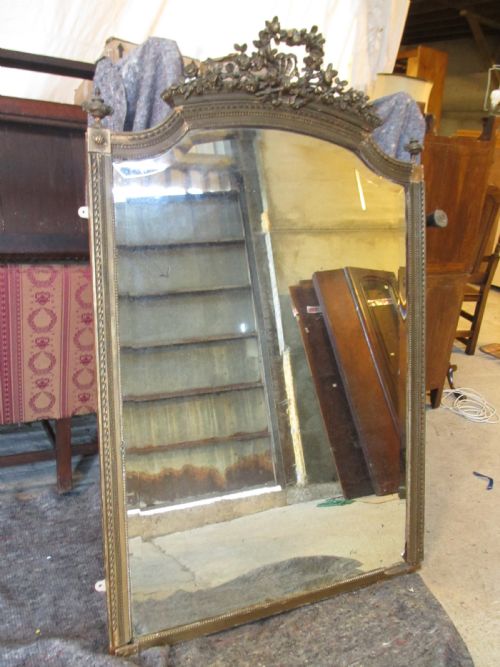
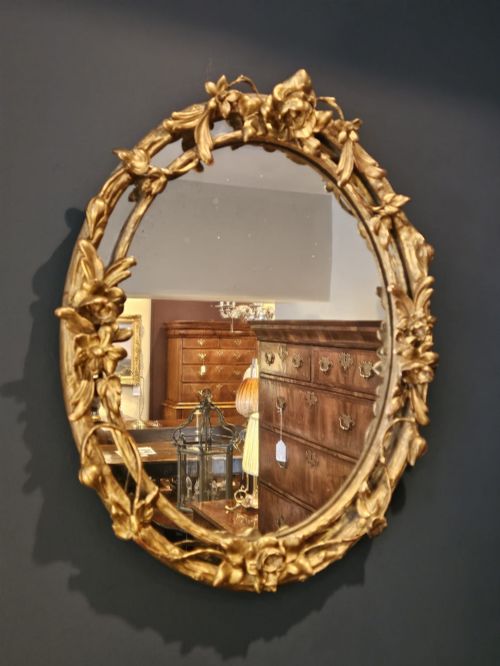
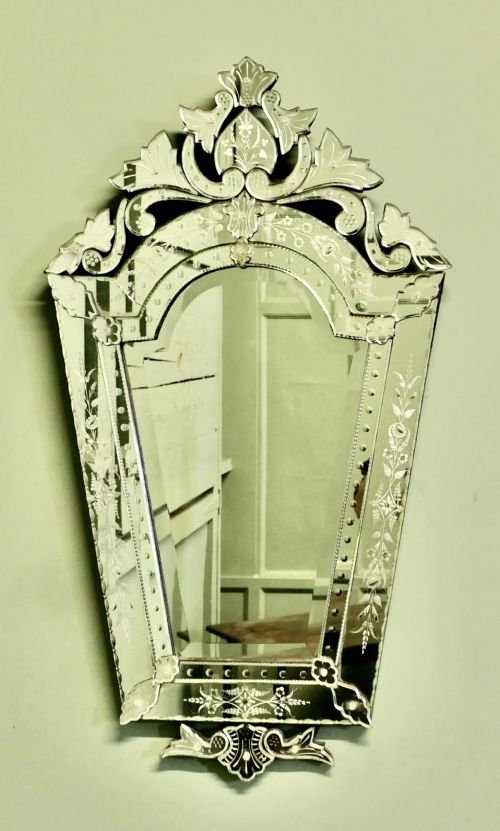
These floral accent mirror examples bring botanical carving and painted foliage to a room, offering a decorative focal point for any wall.
Floral Accent Mirror
A floral accent mirror brings botanical detail to interior spaces, taking the form of wall mirrors framed in carved wood or decorated with painted foliage. Buyers seeking this style will encounter pieces ranging from Victorian rose vine designs to Italian hand-painted pier glasses and Venetian creations.
The selection encompasses multiple periods, notably the nineteenth century, alongside Art Deco interpretations and earlier eighteenth-century Italian examples. Forms include convex mirrors, trumeau mirrors, and walnut wall mirrors featuring inset painted panels.
Origin and regional style shape the visual character of these objects, spanning British Victorian interpretations, French provincial pieces, and Venetian workshops. Walnut, giltwood, and painted silk appear across the various periods represented.
Materials and construction
Wood serves as the primary structural foundation for these frames, utilising timber, walnut, and carved gesso finished with gold leaf or gilding. Craftspeople shaped these materials into intricate rose vines, classical mouldings, and provincial frames designed for wall hanging.
Surface decoration frequently involves hand painting and japanning applied directly to wood, mirrored glass, or painted silk panels. Giltwood and silvered finishes provide reflective brilliance alongside the central mirrored glass plates.
Floral Accent Mirror Retail Price Guide 2026
Typical asking prices for floral accent mirror among the pieces listed under this phrase on Sellingantiques today, from the lower quarter to the upper quarter. They describe what is for sale here now, not the wider market.
Victorian carvers showed a particular fondness for rose vines, ensuring flowers bloom indoors regardless of the British weather.
Judging quality and execution
The refinement of the botanical carving dictates the distinction between standard and superior examples, particularly in the depth and undercut detail of wooden rose vines and foliate panels. Hand-painted elements show varying degrees of artist control, where precise brushwork on silk or wood elevates the visual outcome.
The application of gold leaf and gesso over timber determines the longevity and richness of the gilded surface. Construction integrity within the frame joints and the preservation of original mirrored glass plates further separate the finest specimens from simpler decorative pieces.
The Floral Accent Mirror Glossary
- Trumeau mirror
- A decorative wall mirror featuring an upper panel decorated with painting or carving, often integrated into wood wall panelling.
- Pier glass
- A tall wall mirror traditionally hung on the pier or wall space between windows.
- Giltwood
- Timber that has been coated with a thin layer of gold leaf or gold paint, frequently built up over a gesso base.
- Japanning
- A European imitation of East Asian lacquerwork, created using layers of varnish and paint heated in a kiln.
Floral Accent Mirror: Frequently Asked Questions
Where should I hang this mirror?
These mirrors suit spaces above mantelpieces, in hallways, or positioned between windows as traditional pier glasses. Their botanical motifs complement both traditional period rooms and lighter modern interiors.
Ensure the wall structure safely supports the weight of the timber and glass, particularly for larger giltwood or carved walnut examples.
How do I date these mirrors?
Dating relies on examining the construction methods of the wooden frame, the characteristics of the mirrored glass, and the specific decorative style. Victorian, Regency, and Art Deco periods each display distinct approaches to foliate carving and surface finishing.
Comparing the backing boards, fixings, and materials helps confirm the period of manufacture.
How do I clean the frame?
Maintenance requires gentle dusting with a soft, dry brush to protect delicate carved gesso and gilded surfaces from damage. Avoid liquid cleaners on giltwood or painted sections to preserve the historical finish.
Glass cleaner applied sparingly to a cloth, rather than sprayed directly, keeps the mirror plate clear without risking moisture contact with the surrounding frame.