



Flight Worcester China
Flight Worcester china brings together the refined forms of the Regency and Georgian periods, offering collectors handpainted porcelain plates, baskets, and tea services from historic Worcester partnerships.
Flight Worcester China
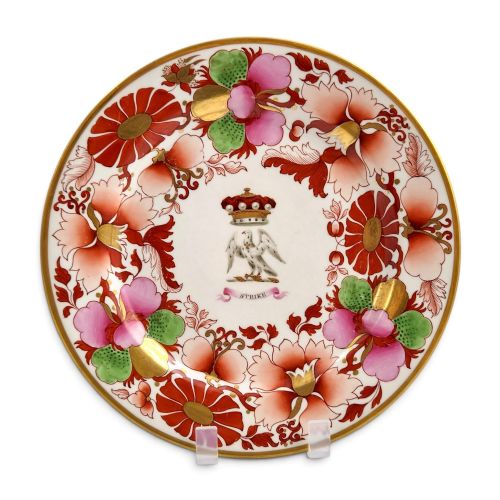
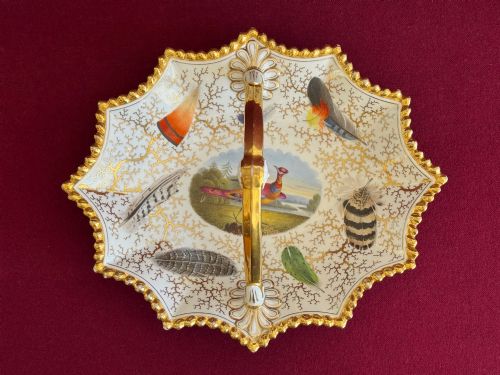
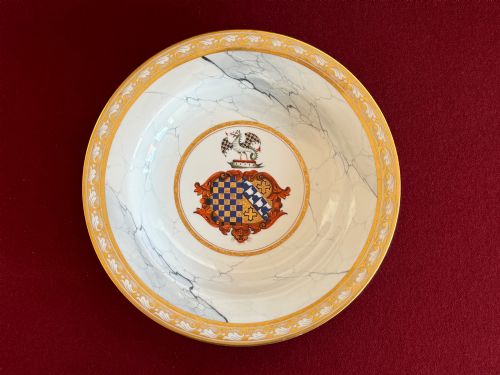
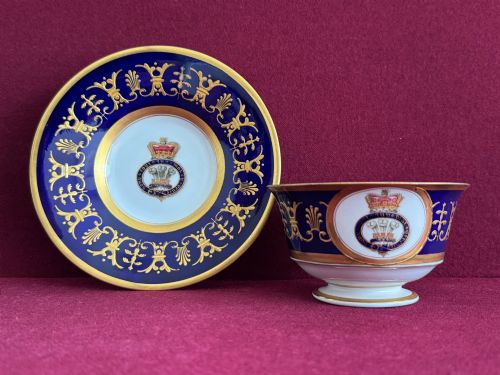
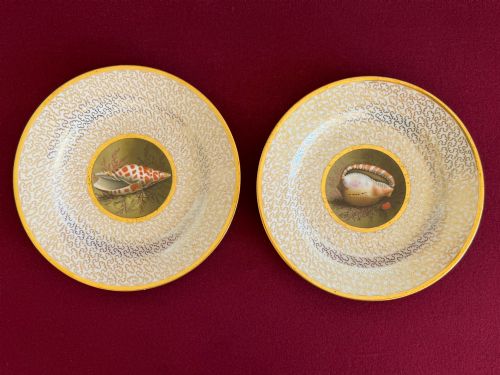
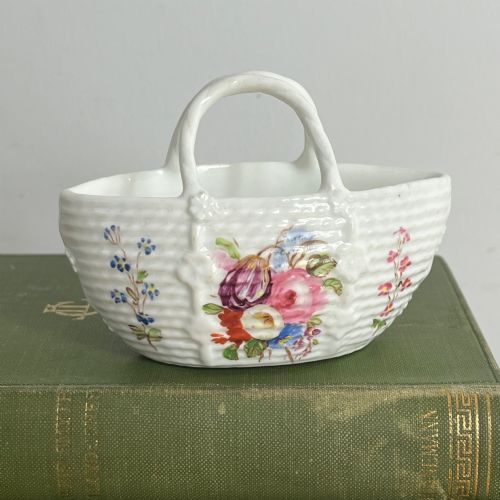
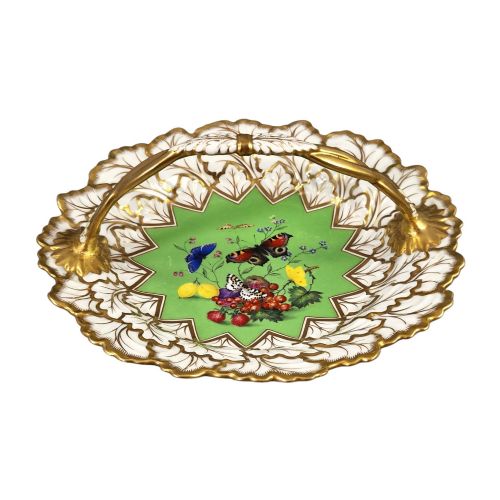
When you search for flight worcester china, you encounter fine porcelain items produced by the various partnerships led by the Flight family and their successors in Worcester. The selection on this page centres on decorative plates, cabinet plates, teacups and saucers, and porcelain baskets dating from the eighteenth century through the Regency era and into the nineteenth century.
The most common forms you will meet are plates and tea wares featuring detailed handpainting, armorial designs, or specific patterns such as the Dragon in Compartments and Two Quail motifs. Pieces span Georgian neoclassical styles, Regency chinoiserie, and even later Edwardian interpretations, reflecting the evolving tastes of British porcelain production.
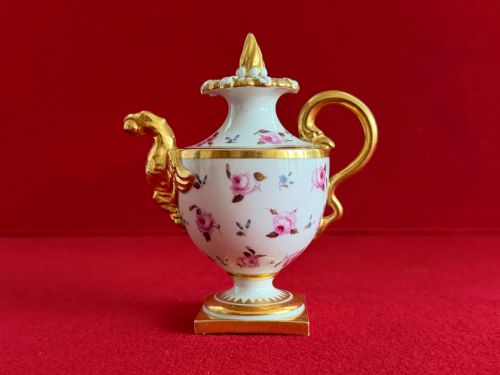
The periods represented stretch from the late eighteenth-century Flight period through the extensive Barr, Flight and Barr partnerships up to Edwardian pieces by makers like Charles Baldwyn. Collectors find items ranging from miniature porcelain baskets and rose water sprinklers to comprehensive dessert plates and covered sauce tureens.
What varies in quality
The standard of flight worcester china depends significantly on the complexity and execution of the handpainted decoration. Pieces featuring detailed pictorial scenes, named subjects like the Lord Henry Thynne plate, or specialised patterns such as Dragon and Kylin demonstrate superior artistic skill.
The presence and preservation of lavish gold leaf and meticulous gilding distinguish finer examples from simpler output. Additionally, the crispness of moulded details on items like porcelain baskets and pierced cabinet plates marks the distinction between standard production and top-tier workshop output.
Flight Worcester China Retail Price Guide 2026
Typical asking prices for flight worcester china among the pieces listed under this phrase on Sellingantiques today, from the lower quarter to the upper quarter. They describe what is for sale here now, not the wider market.
Even a dragon must share its compartment when Regency tea parties demand proper porcelain decorum.
Flight Barr and Barr·Barr Flight and Barr·Samuel Astles·Charles Baldwyn
The Flight Worcester China Glossary
- Porcelain
- A fine, white ceramic material made by firing clay materials at high temperatures. It forms the essential body for all Flight Worcester tea wares and decorative plates.
- Gilding
- The application of gold leaf or gold powder to ceramic surfaces. This technique highlights rims, handles, and intricate motifs on Regency and Georgian pieces.
- Armorial
- A design featuring a coat of arms or heraldic insignia. Plates and services bearing these details were custom-commissioned for prominent families.
- Chinoiserie
- A European artistic style reflecting Chinese motifs and decorative themes. It appears frequently in patterns like Dragon in Compartments on early nineteenth-century wares.
- Trio
- A matched set comprising a tea cup, coffee cup, and saucer. These groupings are commonly found in eighteenth-century and Regency porcelain collections.
Flight Worcester China: Frequently Asked Questions
What is flight worcester china?
Flight worcester china encompasses porcelain items produced by the Flight family and their partners in Worcester during the late eighteenth and early nineteenth centuries. These items include decorative plates, tea wares, and baskets.
The works bridge the Georgian and Regency eras, showcasing meticulous handpainting, gilding, and specific patterns like the Dragon in Compartments.
How do I date flight worcester china?
Dating relies on identifying the specific partnership names marked on the base, such as Flight, Barr, or Flight, Barr and Barr. Stylistic shifts from Georgian neoclassical to Regency chinoiserie also help narrow the period.
Inscriptions, pattern names, and associated historical services further pinpoint the manufacturing decade between the late eighteenth and early nineteenth centuries.
Were these pieces used daily?
Most surviving flight worcester items, such as cabinet plates and decorative baskets, were intended for display or formal dessert courses rather than rough everyday use. Tea wares saw service in elite drawing rooms.
Their delicate porcelain bodies and rich gold leaf meant owners handled them with care during formal gatherings and tea ceremonies.
What patterns are most common?
The dragon in compartments and two quail patterns appear frequently among nineteenth-century plates and tea services. Floral handpainting and topographical views also recur across dessert plates.
Armorial designs commissioned for specific families represent a more specialised category within these surviving ceramic wares.