



Flight Barr Worcester Cup
A flight barr worcester cup brings exquisite porcelain and hand-painted artistry from the Georgian and Regency eras directly to your cabinet.
Flight Barr Worcester Cup
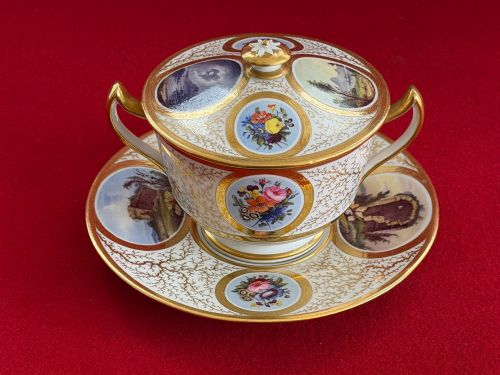
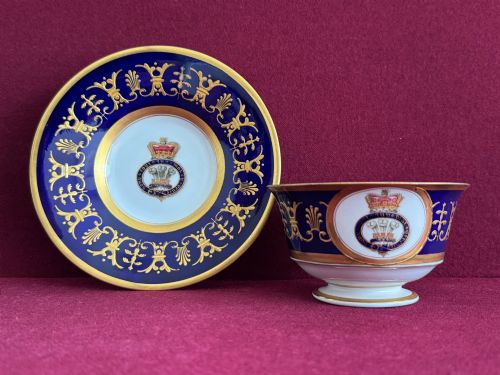
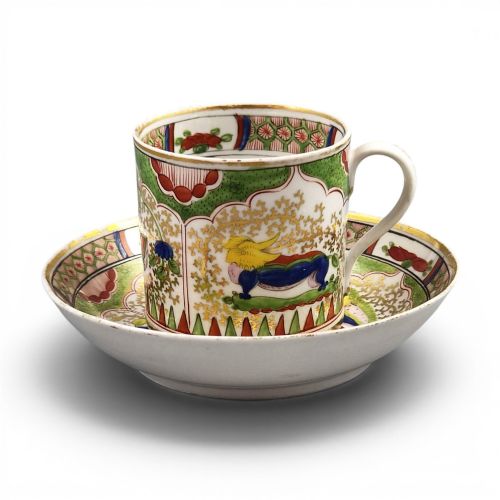
When you search for a flight barr worcester cup, you encounter fine English ceramics produced by the renowned Worcester factory under the Flight, Barr, and Barr partnerships. These pieces primarily take the form of teacups and saucers, coffee cups and saucers, coffee cans, and trios spanning the Georgian and Regency periods.
The selections available here demonstrate the sophisticated output of a factory that held royal warrants. You will find distinct decorative schemes such as the Dragon in Compartments pattern, the Two Quail motif, and armorial designs enriched with gold leaf and enamel.
How they were made
These vessels are formed from fine porcelain and shaped into fluted or smooth profiles characteristic of late Georgian and Regency manufacturing techniques. Potters and throwers utilised traditional wheel-turning methods to create delicate tea and coffee wares.
Master painters then applied intricate details using cobalt enamel, polychrome enamel, and rich gilding. Many pieces received meticulous hand-decoration by notable hands like Samuel Astles before undergoing final kiln firing.
Flight Barr Worcester Cup Retail Price Guide 2026
Typical asking prices for flight barr worcester cup among the pieces listed under this phrase on Sellingantiques today, from the lower quarter to the upper quarter. They describe what is for sale here now, not the wider market.
The porcelain items listed span the Georgian and Regency periods, featuring forms such as coffee cans, trios, and teacups with saucers.
What varies in quality
Quality in these ceramics rests primarily on the complexity and preservation of the hand-painted decoration. Pieces featuring detailed pictorial scenes, armorial crests, or dense patterns like the Dragon in Compartments demand greater skill than simpler gilded borders.
The crispness of the porcelain moulding and the vibrancy of the cobalt enamel and gold leaf also distinguish finer cabinet specimens from standard domestic wares of the period.
Flight Barr and Barr·Barr Flight and Barr·Samuel Astles
The Flight Barr Worcester Cup Glossary
- Coffee can
- A straight-sided cylindrical coffee cup without a handle, popular during the Georgian and Regency periods. This form sits alongside traditional handled teacups in many porcelain services.
- Gilding
- The application of gold leaf or gold powder to ceramics for decorative embellishment. Skilled artisans burnished this metallic surface to achieve a brilliant shine.
- Armorial
- A ceramic decoration displaying a specific family coat of arms or crest. These bespoke commissions represent the height of Georgian luxury.
- Trio
- A matching set comprising a teacup, a coffee cup, and a saucerc. This combination accommodated both beverages during formal social gatherings.
Flight Barr Worcester Cup: Frequently Asked Questions
What is a flight barr worcester cup?
A flight barr worcester cup is a piece of fine English porcelain produced by the historic Worcester factory under its various Flight and Barr partnerships.
These items include teacups, coffee cups, and coffee cans dating from the Georgian and Regency eras, often featuring hand-painted enamel and gold gilding.
How do I date these cups?
Dating relies on the specific factory partnerships and stylistic markers recorded in the titles and physical traits.
Pieces from the Georgian and Regency periods often carry factory marks or stylistic indicators like neoclassical forms or specific hand-painted patterns.
Were these cups meant for tea or coffee?
The evidence shows both teacups and coffee cups, alongside specialised coffee cans and complete trios.
Different vessels were designed to suit the specific beverage service customs of the late eighteenth and early nineteenth centuries.
How should I display them?
These delicate porcelain objects suit secure cabinet display where their hand-painted details and gilding remain protected from damage.
Keeping them away from direct sunlight helps preserve the vibrant enamel colours over time.