




Flemish Wood Carving
Flemish wood carving brings profound historical depth to an interior through robust oak panels, detailed figures, and rich domestic furniture.
Flemish Wood Carving
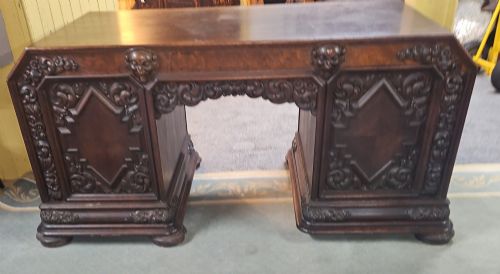
When you search for flemish wood carving, you encounter a robust tradition spanning from early medieval fragments and sixteenth-century religious groups to seventeenth-century baroque panels and nineteenth-century revival furniture. The domestic and architectural forms available include armchairs, sideboards, cabinets, wall panels, mirrors, and tables.
The material foundation is predominantly oak, supplemented by walnut, with occasional iron, brass, glass, and leather details incorporated into furniture and architectural pieces. Pieces range from small wall shelves and tavern scene wall panels to large sideboards, cabinets, and dining tables.
The stylistic vocabulary draws heavily upon Renaissance Revival, Flemish Baroque, and Gothic idioms. You will frequently find seventeenth-century panels depicting allegorical subjects alongside nineteenth-century revival sideboards and hall chairs featuring deep relief work.
Distinctions in quality
Quality rests upon the crispness of the chisel work and the depth of the relief within the oak or walnut. Master carvers achieved distinct facial expressions, fluid drapery, and well-proportioned architectural elements that separate refined sculptural panels from simpler production pieces.
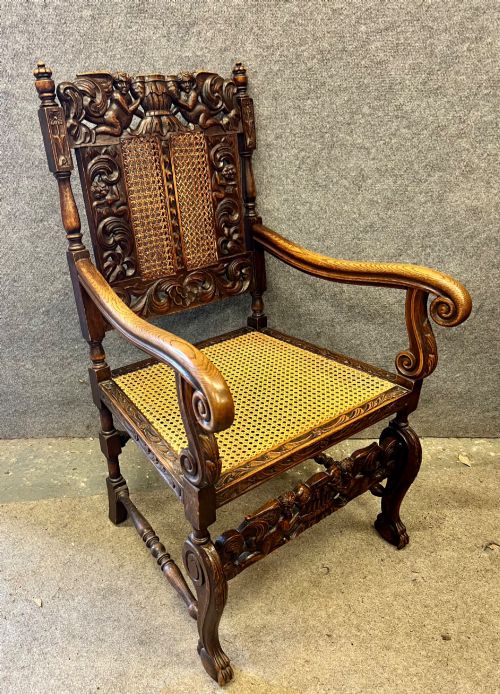
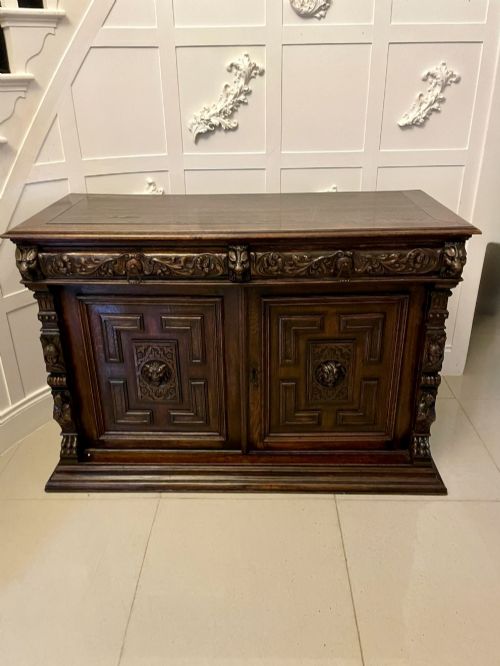
The integration of the carving into the structural integrity of the furniture piece also dictates excellence. Superior sideboards, cabinets, and chairs display harmonious proportions where the decorative panels complement the overall form rather than appearing as applied afterthoughts.
Flemish Wood Carving Retail Price Guide 2026
Typical asking prices for flemish wood carving among the pieces listed under this phrase on Sellingantiques today, from the lower quarter to the upper quarter. They describe what is for sale here now, not the wider market.
Stare too long into a nineteenth-century dining table and the carved foliage might just stare right back through a leafy Green Man grin.
The Flemish Wood Carving Glossary
- Corpus Christi
- A representation of the body of Jesus Christ on the cross. These carved figures often appear in seventeenth-century pieces.
- Liege bowl
- A specific regional form of wooden vessel associated with the city of Liège. These carved oak bowls demonstrate domestic turning and carving traditions.
- Green Man
- A sculptural motif showing a human face sprouting from or surrounded by foliage. This ornamental detail frequently decorates nineteenth-century dining tables and panels.
- Cushion frame
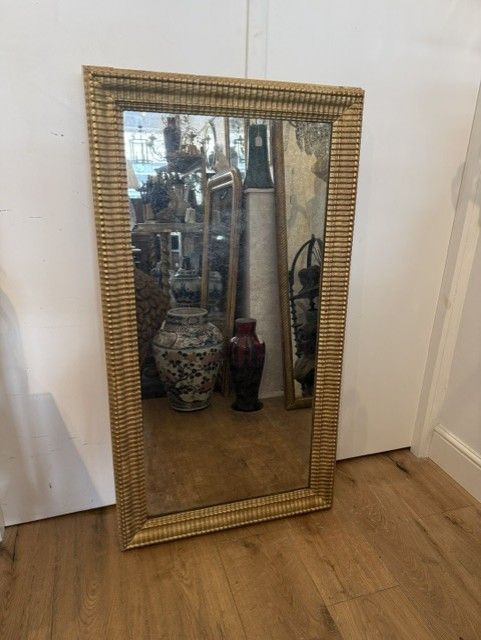
- A convex, padded-looking wooden frame profile often utilised on mirrors and large panels. This style adds optical depth to seventeenth-century and revival wall pieces.
Flemish Wood Carving: Frequently Asked Questions
How do I identify a 17th-century panel?
Seventeenth-century panels typically display tighter, oxidised oak grain and hand-carved allegorical or religious subjects executed with deep, confident chisel work.
Later nineteenth-century revival pieces often mimic these styles but can be distinguished by machine assistance, fresher timber colour, and different assembly methods.
Where should I place a heavy oak sideboard?
These substantial oak items require a stable wall and adequate floor space to anchor a dining room or hallway effectively.
Ensure the piece sits away from direct heat sources to prevent the dry timber and historic joints from splitting.
How do I care for carved walnut chairs?
Maintain the timber by applying a microcrystalline wax sparingly to nourish the walnut grain and protect the carved details.
Keep the leather and cane elements, where present, away from direct sunlight to avoid premature drying and cracking.
What is a tavern scene panel?
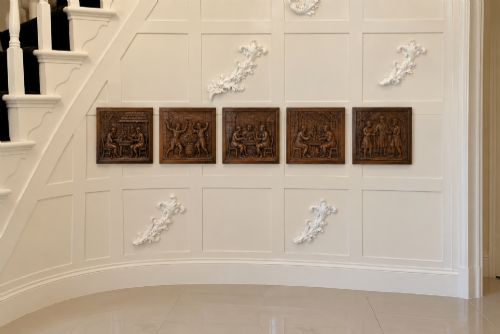
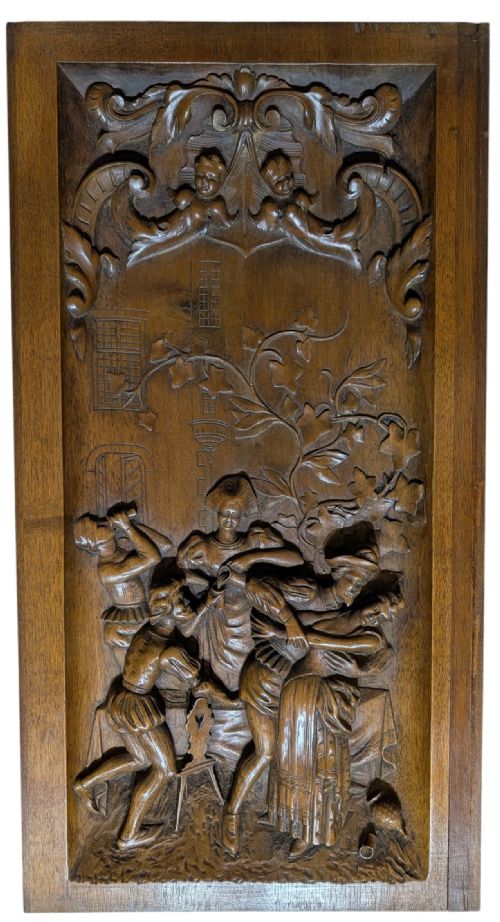
Tavern scene panels depict lively domestic gatherings, drinking, and social merriment carved in high relief into oak.
These nineteenth-century interpretations celebrate traditional folk life and make striking wall hangings for historic interiors.