






Flemish Tapestry Textile
These flemish tapestry textile pieces bring centuries of woven artistry into your rooms, offering rich historical scenes and verdant landscapes.
Flemish Tapestry Textile
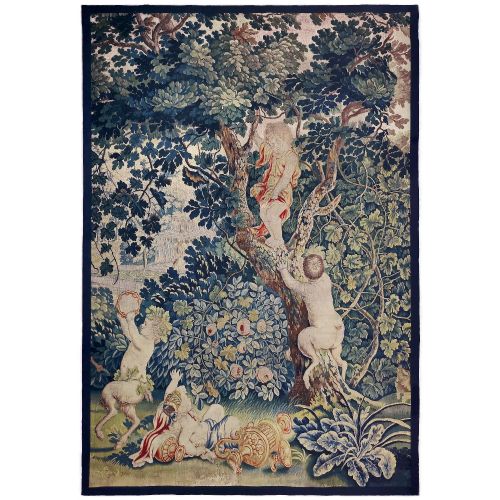
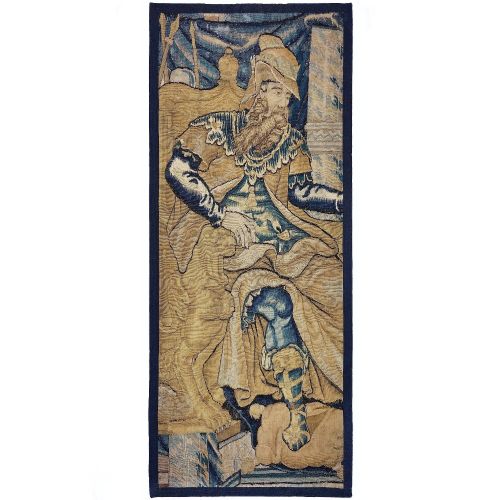
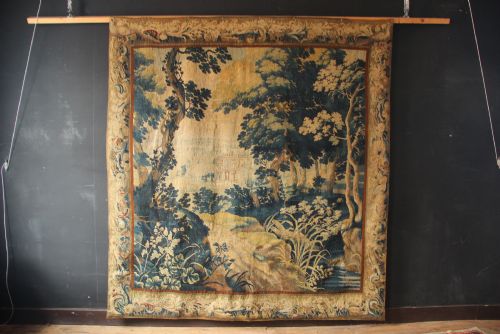
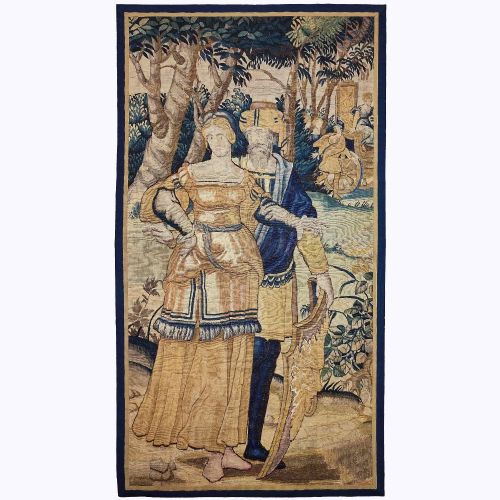
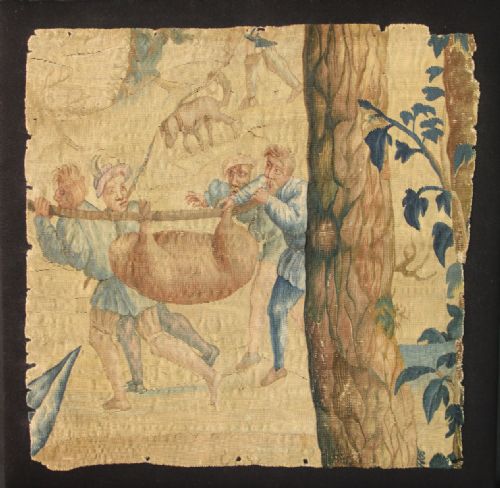
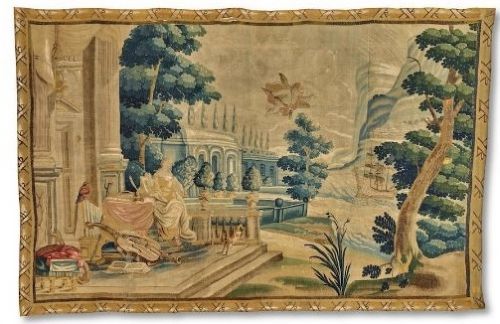
When you search for flemish tapestry textile, you encounter centuries-old wall hangings, panels, and fragments that preserve historical weaving traditions. These works frequently depict mythological scenes, game parks, and verdure landscapes populated by foliage and trees.
The selections span from the sixteenth century through to the nineteenth century, encompassing grand scale works alongside smaller fragments and cushions. Many pieces originate from the seventeenth century, showcasing the distinct aesthetic of the Baroque period.
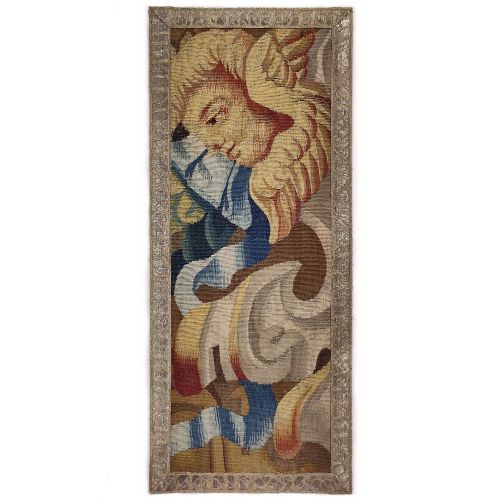
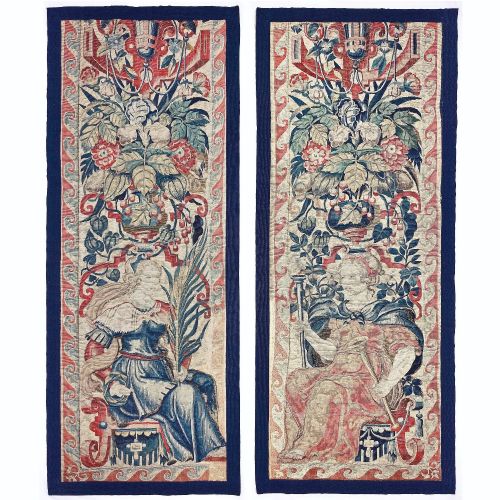
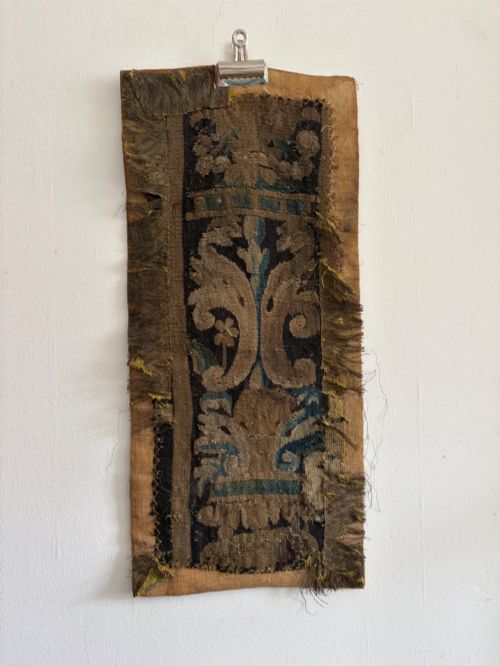
Buyers often meet verdure tapestries or border fragments mounted to linen, reflecting how larger works have been preserved over time. Examples range from monumental room-sized textiles down to domestic cushions and smaller panels.
Judging quality in woven textiles
Quality rests in the intricacy of the pictorial design, the subtlety of the colour palette, and the preservation of the woven threads. Superior pieces display complex mythological narratives or dense, naturalistic verdure foliage with clear delineation.
The condition of the textile fibres and the integrity of the underlying support, such as linen backings, influence the overall character of the piece. Intact borders and well-preserved silk or wool yarns elevate the visual impact of the work.
Flemish Tapestry Textile Retail Price Guide 2026
Typical asking prices for flemish tapestry textile among the pieces listed under this phrase on Sellingantiques today, from the lower quarter to the upper quarter. They describe what is for sale here now, not the wider market.
Listings feature materials including wool, silk, linen, wood, cotton, and gold leaf across multiple centuries.
The Flemish Tapestry Textile Glossary
- Verdure tapestry
- A textile featuring a landscape design dominated by trees, plants, foliage, and often birds or animals. These scenes create a lush, botanical backdrop across the woven surface.
- Tapestry fragment
- A surviving portion of a larger wall hanging, often salvaged from a damaged or oversized textile. Fragments are frequently mounted for display or utilised in decorative cushions.
- Baroque style
- An artistic movement from the seventeenth century characterised by dynamic movement, drama, and rich detail. Flemish works from this period display deep perspective and theatrical compositions.
- Border fragment
- A piece taken from the decorative outer framing of a larger tapestry. These sections often display floral or geometric motifs distinct from the central narrative scene.
Flemish Tapestry Textile: Frequently Asked Questions
How should I hang a large textile?
Large wall hangings require even distribution of weight across the upper edge to prevent distortion of the weave. Specialist conservation mounting, such as attaching the piece to a linen backing, helps support the heavy wool and silk fibres.
Position the textile away from direct sunlight and heat sources to protect the natural fibres and dyes from fading over time. Professional framing or hanging systems ensure the weight is properly managed.
Can I use tapestry cushions daily?
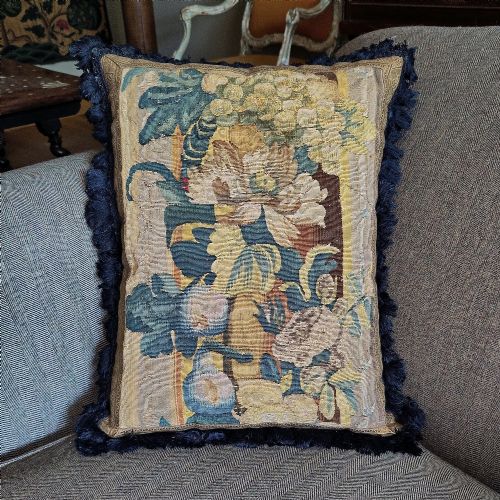
Cushions made from historical fragments add texture to seating but benefit from gentle handling. The antique wool and silk threads are more delicate than modern upholstery materials.
Place them in areas with minimal friction to preserve the integrity of the weave. Periodic gentle airing helps maintain the condition of the historic textile.
What does a verdure scene show?
Verdure scenes portray dense forests, gardens, and landscapes filled with leaves, trees, and occasionally animals or architectural elements. These botanical compositions were immensely popular in Flemish weaving workshops.
The focus remains on the play of foliage and natural greenery rather than human figures or mythological narratives. This creates a calm, decorative atmosphere in an interior.
How do I identify a sixteenth century piece?
Sixteenth-century works often display Renaissance stylistic elements, with balanced compositions and distinct figural proportions compared to later Baroque pieces. The handling of mythological subjects and architectural framing reflects the earlier period's aesthetic.
Examining the weave structure and the specific types of wool and silk dyes can also offer clues regarding the date of production. Consulting expert documentation helps confirm the age and origin of these early works.