

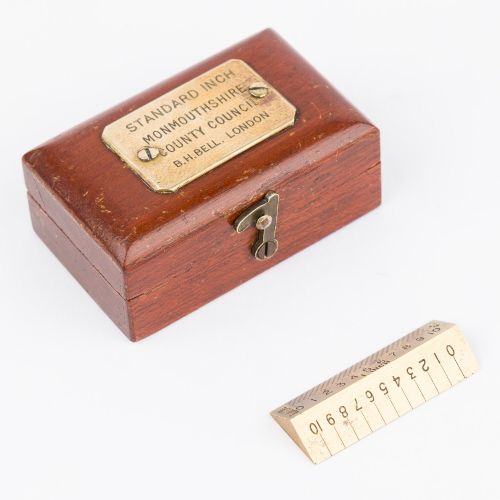
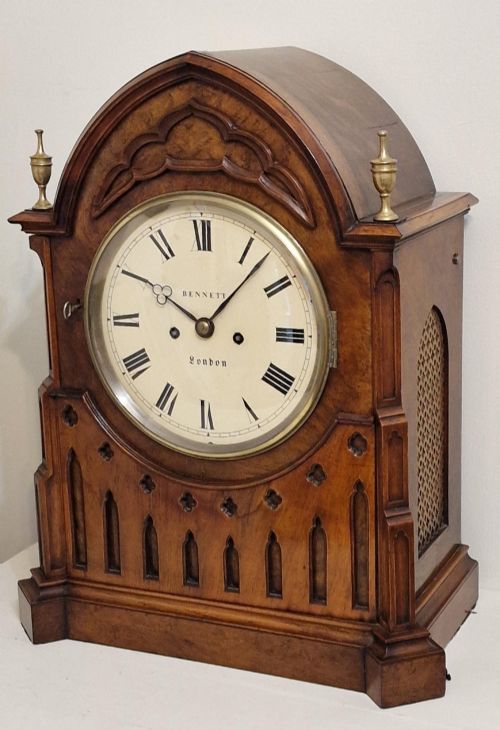
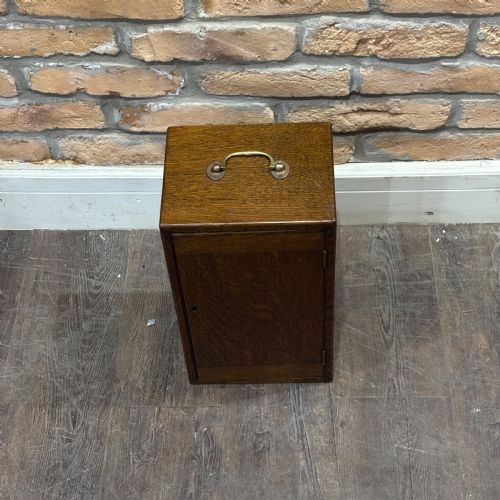
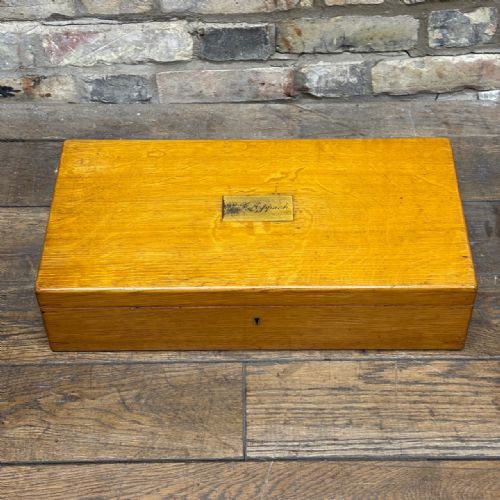


Fitted Wooden Case
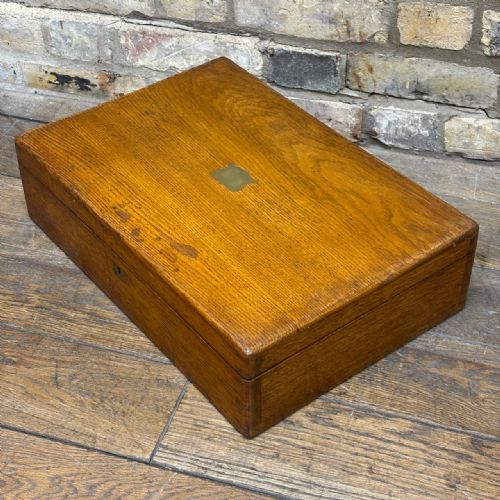
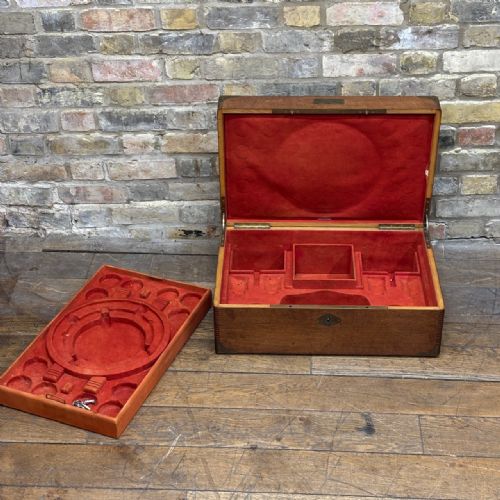
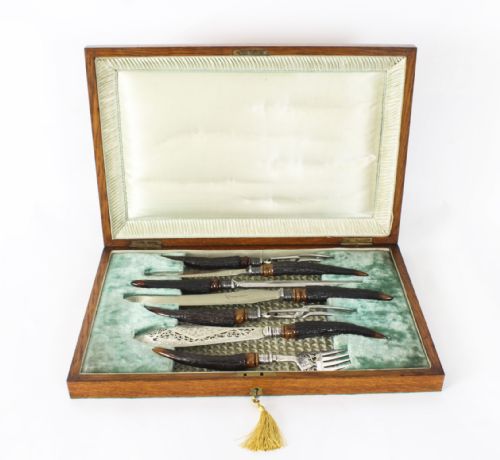
A fitted wooden case organises contents with custom compartments, holding anything from delicate jewellery to scientific instruments and travelling requisites.
Fitted Wooden Case
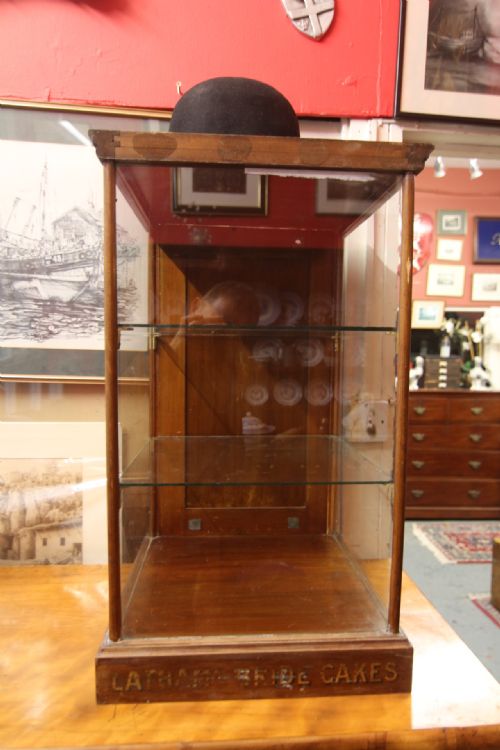
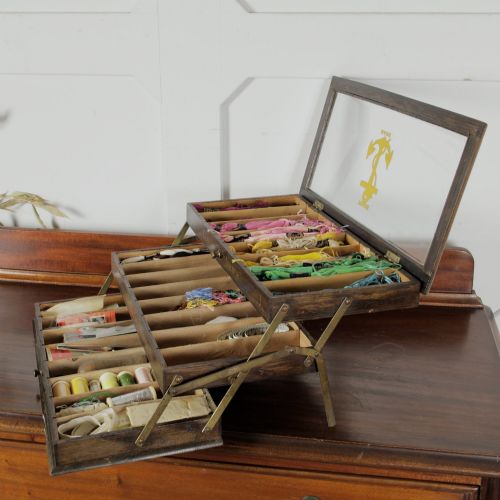
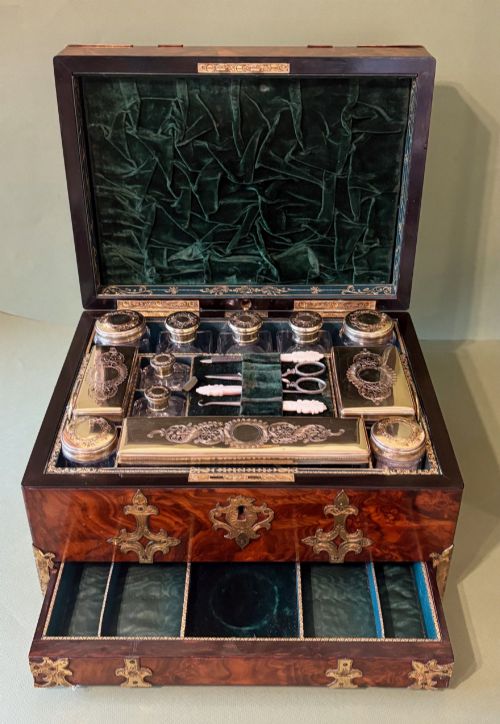
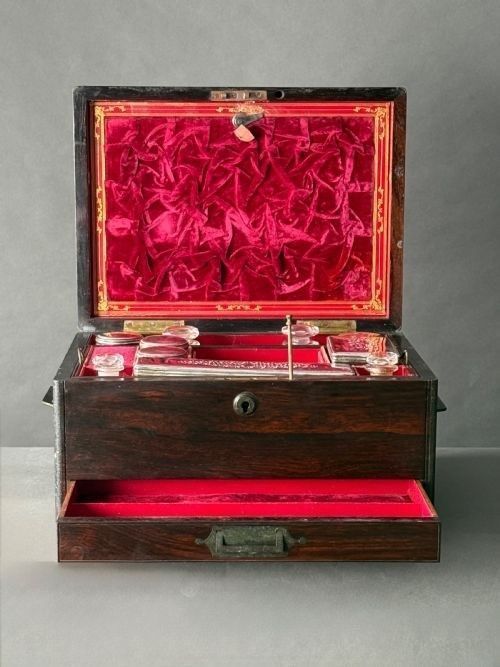
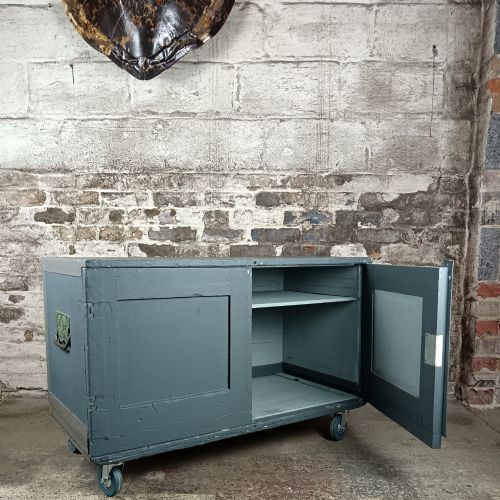
A fitted wooden case serves multiple purposes, appearing as jewellery boxes, dressing cases, shop display cabinets, and campaign chests across the Victorian, Edwardian, Georgian, and Regency periods.
Buyers seeking a fitted wooden case most frequently encounter portable travel boxes lined in velvet alongside countertop display cabinets and sturdy storage chests.
Origins span English workshops, continental manufacturers, and Chinese production, reflecting domestic, commercial, and military requirements.
Materials and Construction
Maker utilise dense hardwoods like mahogany, walnut, rosewood, oak, and exotic coromandel, often strengthened with brass corners and escutcheons for transport and daily wear.
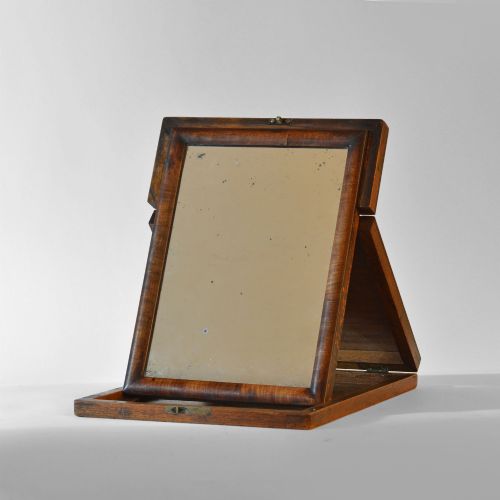
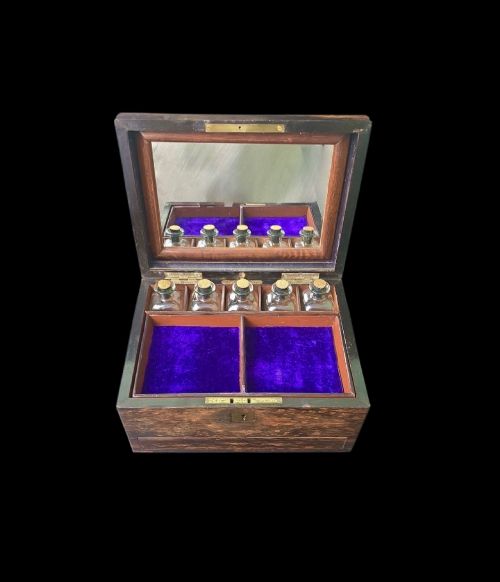
Interiors feature custom woodwork partitions, fitted glass shelves, velvet linings, and integrated mirrors designed to secure specific instruments, bottles, or accessories.
Surface finishes range from simple polish to mother-of-pearl inlay and hand-carved details, matched to the functional demands of the box.
Fitted Wooden Case Retail Price Guide 2026
Typical asking prices for fitted wooden case among the pieces listed under this phrase on Sellingantiques today, from the lower quarter to the upper quarter. They describe what is for sale here now, not the wider market.
Listings feature oak, walnut, mahogany, and coromandel timbers paired with velvet linings, brass hardware, and glass.
Quality Indicators
Construction standards separate simple storage from exceptional pieces through the precision of internal joinery, the snugness of compartment lids, and the integrity of the timber selection.
The sophistication of the original interior layout, including functioning locks with matching keys and well-preserved velvet linings, dictates the overall execution.
The retention of original maker details, hardware, and specialised internal contents demonstrates superior grade manufacture.
H Mitchell·W E Hill·Holtzapffel and Co·Waring and Gillows
The Fitted Wooden Case Glossary
- Campaign chest
- A portable storage unit built in sections with recessed brass handles, designed for military transport during the eighteenth and nineteenth centuries.
- Escutcheon
- A protective metal plate surrounding a keyhole, usually cast in brass to prevent the surrounding wood from splitting.
- Coromandel
- A dense, heavily figured Southeast Asian hardwood prized for luxury nineteenth-century dressing cases and vanity boxes.
- Dressing box
- A portable container fitted with compartments for cosmetics, grooming tools, and jewellery, often featuring an integrated folding mirror.
- Cantilever
- A rigid structural element supported at one end, utilised in multi-tiered display trays that swing open to reveal contents.
Fitted Wooden Case: Frequently Asked Questions
What items belong inside a fitted wooden case?
These containers hold specialised equipment, from medical apothecary bottles and scientific instruments to writing materials, cutlery sets, and ladies jewellery.
Each interior layout aligns directly with the original trade or personal habits of the owner.
How do I distinguish a Regency box from a Victorian one?
Regency examples typically exhibit cleaner classical lines with understated brass stringing and lighter rosewood or mahogany grains.
Victorian pieces often introduce heavier proportions, more complex internal compartments, and richer finishes such as coromandel or burr walnut.
Can I use a travel box on a modern dressing table?
Portable cases function effectively as desktop organisers or vanity storage for modern accessories and watches.
The secure internal dividers protect small valuables while maintaining traditional aesthetic charm in a contemporary room.
Why do some cabinets feature glass shelves?
Countertop and wall-hanging display variants utilise adjustable glass shelving to maximise light penetration for merchandise or collected items.
Commercial shops and domestic parlours employed these transparent tiers to exhibit small wares clearly to observers.