

Fitted Double Wardrobe
A fitted double wardrobe provides substantial clothes storage, uniting generous interior hanging space and compartments within periods ranging from the Victorian era to Art Deco.
Fitted Double Wardrobe
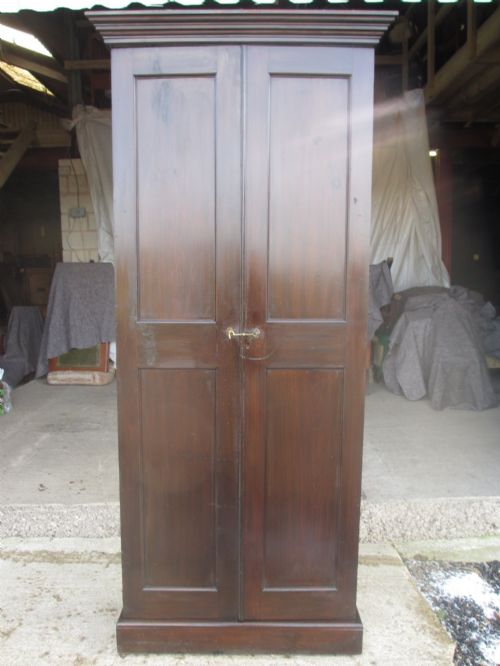
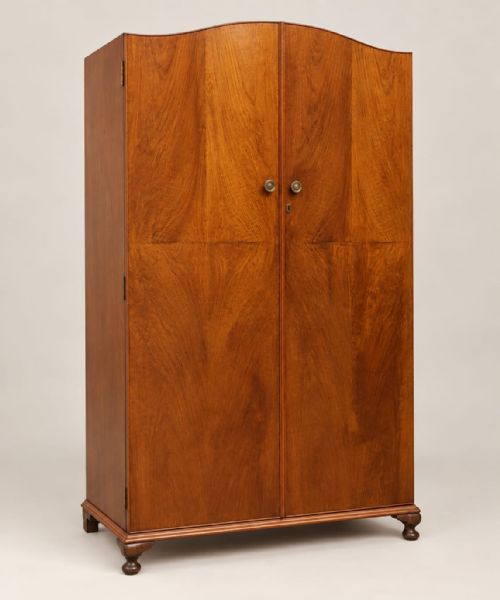
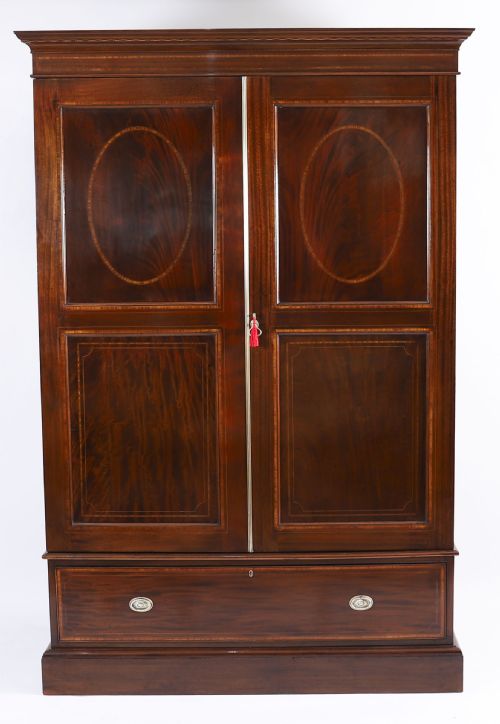
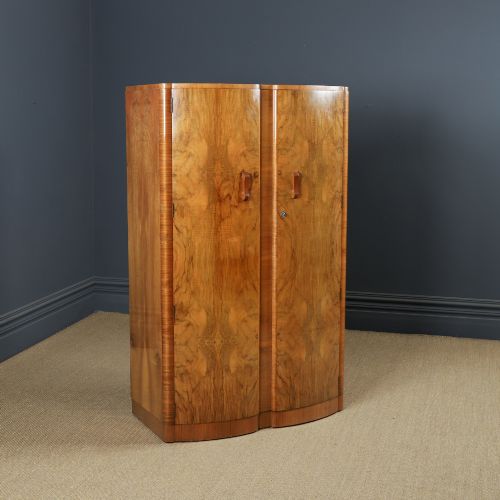
A fitted double wardrobe offers dual-door access to internal hanging space and storage compartments, appearing frequently in walnut, oak, and mahogany across this selection. Buyers find these pieces spanning the Victorian, Edwardian, and Art Deco periods, alongside earlier 18th-century forms.
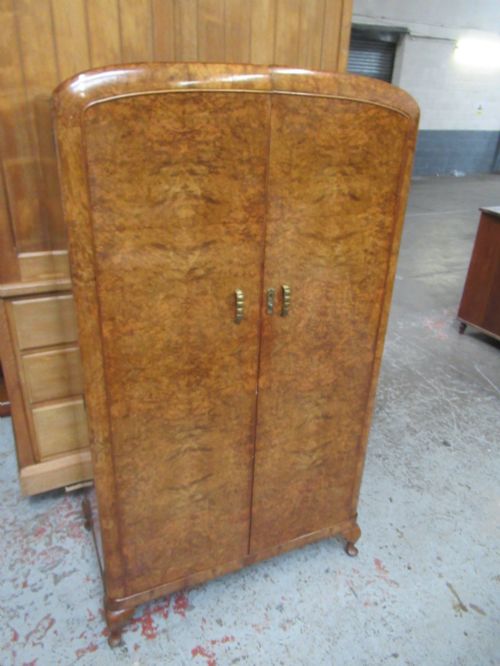
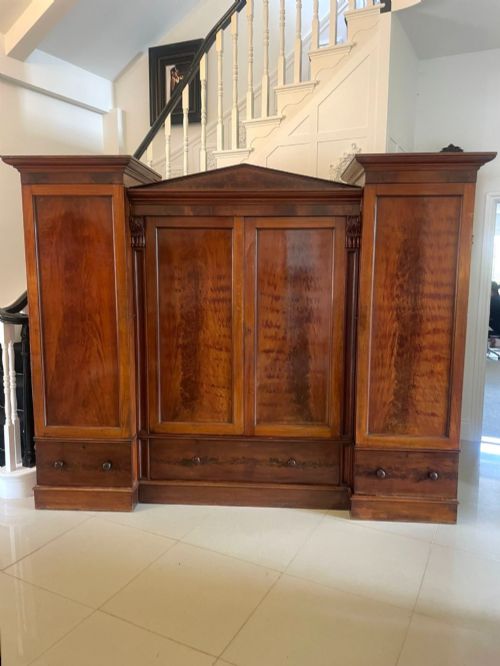
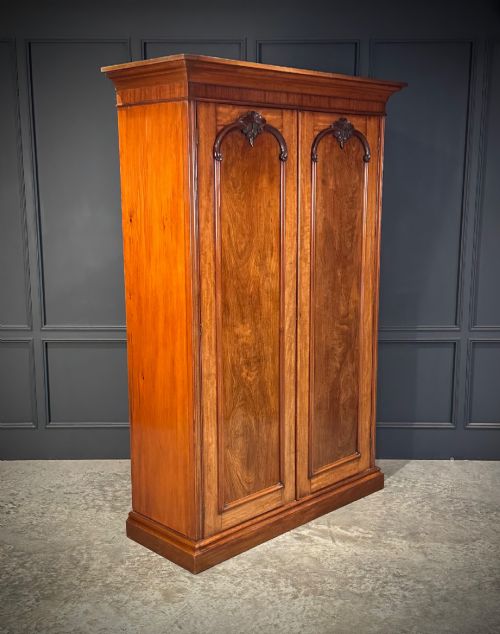
The selection ranges from compact 1920s burr walnut editions to substantial Victorian mahogany four-door examples and 1930s breakfront designs. Makers such as Waring & Gillow and Howard & Son's Berners Street contribute to the higher end of these larger case pieces.
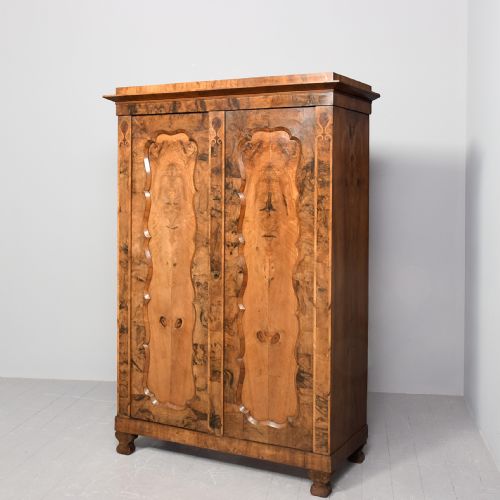
Regional styles include Continental armoires and George III revival pieces, reflecting diverse domestic storage needs across the 19th and 20th centuries. Oak and pine variants frequently serve traditional rustic or country house settings.
Materials and construction
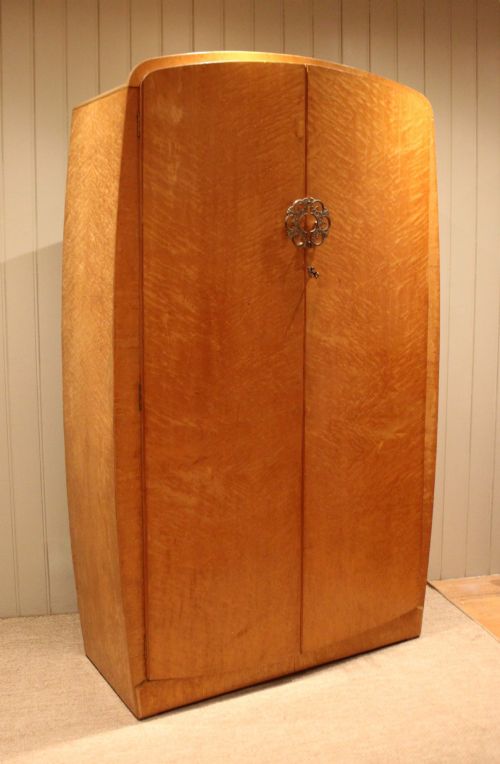
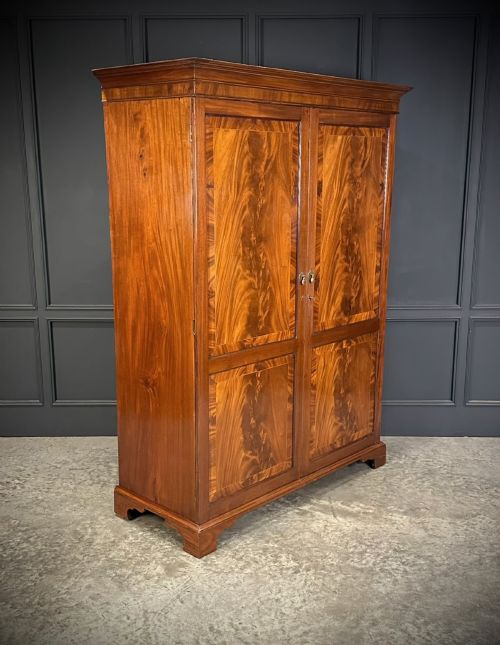
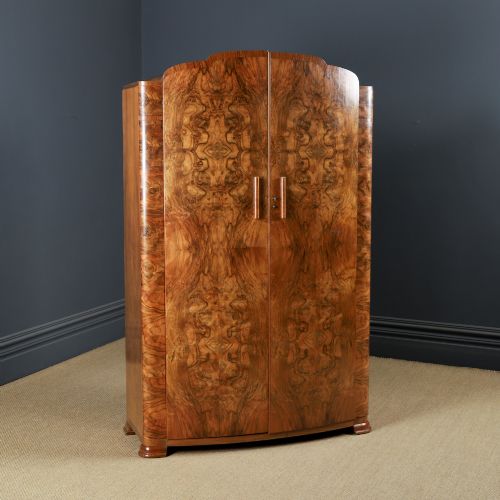
Cabinet makers utilised solid timbers alongside veneers, applying burr walnut, flame mahogany, and figured walnut to exterior surfaces to create striking grain patterns. Carved oak and pine provide the structural carcasses for many traditional English and continental pieces.
Brass hardware, including key escutcheons and hanging fittings, accompanies internal shelving and clothes rails within the fitted interiors. Joinery techniques range from traditional dovetailing in drawers to panelled door construction designed to support heavy timber.
Fitted Double Wardrobe Retail Price Guide 2026
Typical asking prices for fitted double wardrobe among the pieces listed under this phrase on Sellingantiques today, from the lower quarter to the upper quarter. They describe what is for sale here now, not the wider market.
Several wardrobes retain their original brass hanging hooks inside, ready for Edwardian waistcoats.
Factors influencing quality
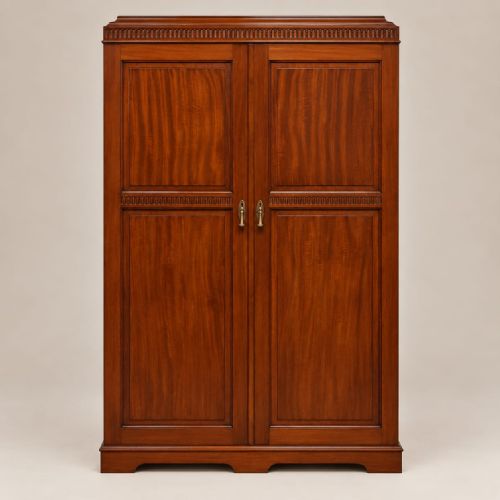
The choice of timber veneer significantly elevates a piece, with figured mahogany and burr walnut commanding attention for their decorative grain. Superior examples display balanced symmetry across double and triple doors, often enhanced by original maker stamps or quality brass hardware.
Proportion and internal configuration distinguish standard storage cupboards from finer fitted wardrobes. Pieces featuring integrated drawers, compactum compartments, and architectural mouldings demonstrate higher cabinet-making standards during construction.
Waring & Gillow·Howard & Son's Berners Street·Crown Furniture
The Fitted Double Wardrobe Glossary
- Compactum
- A wardrobe or cabinet combining hanging space with multiple internal drawers and compartments. This form maximises vertical storage capacity within a single footprint.
- Breakfront
- A piece of furniture featuring a central section that projects forward from the flanking wings. This architectural arrangement adds depth and visual interest to larger wardrobes.
- Armoire
- A traditional tall cupboard or wardrobe with doors enclosing shelving or hanging space. European examples often feature substantial carved cornices and panelled doors.
- Veneer
- A thin slice of decorative wood applied over a structural timber carcass. Burr walnut and flame mahogany veneers provide rich surface patterns on 19th and 20th-century furniture.
- Escutcheon
- A protective plate surrounding a keyhole, frequently cast in brass on antique case furniture. These hardware elements complement the primary timber of the wardrobe doors.
Fitted Double Wardrobe: Frequently Asked Questions
What periods do these wardrobes date from?
The pieces span from the mid-18th century through the Victorian and Edwardian eras up to 1930s Art Deco designs. Walnut, mahogany, and oak are recorded across these chronological brackets.
Art Deco examples often showcase burr walnut veneers, whereas Victorian iterations favour solid mahogany and substantial proportions. Edwardian and 1920s variants tend toward smaller, fitted interior formats.
How were fitted interiors arranged?
Interiors typically combine hanging rails with linen shelves, sliding trays, and internal drawers. Compactum models integrate multiple storage compartments alongside the main wardrobe hanging space.
These configurations allowed owners to store folded garments and accessories alongside full-length garments within a single piece of furniture.
Are these wardrobes easy to dismantle?
Many large Victorian and Edwardian wardrobes feature modular carcass construction designed for transport between rooms. Cornices, plinths, and side panels often separate from the main hanging section.
Buyers should examine how individual pieces dismantle, particularly multi-door or breakfront editions that require careful reassembly in domestic spaces.
How do I identify Art Deco pieces?
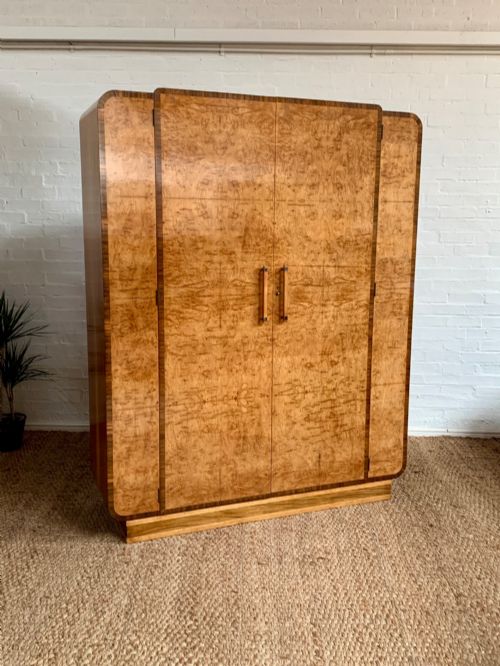
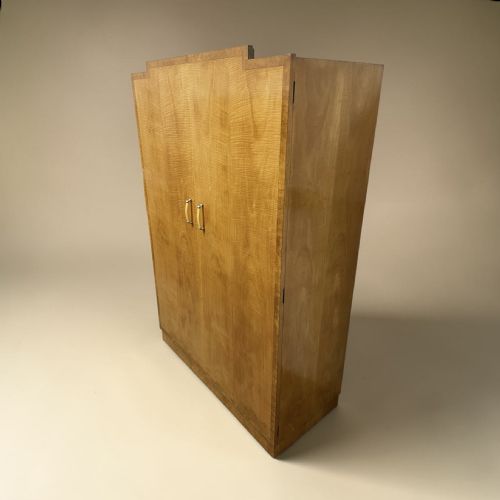
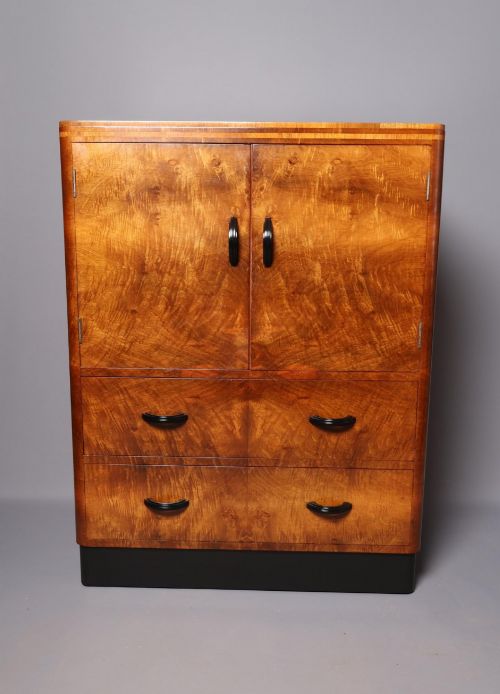
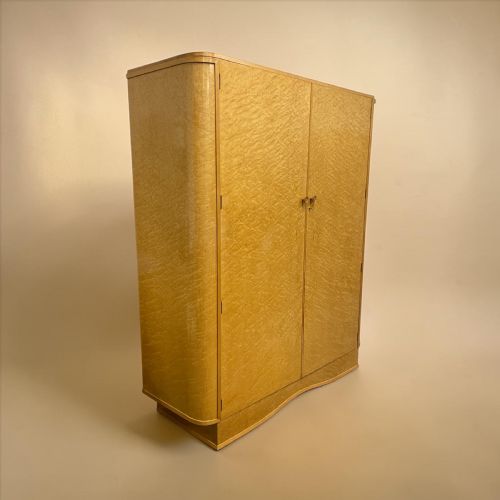
Art Deco wardrobes, primarily dating around 1930, display geometric lines, streamlined burr walnut veneers, and symmetrical door panels. These pieces often avoid heavy period carvings in favour of sleek, curved facades.
Compactum and tallboy variations from this era emphasise functional internal storage behind uninterrupted expanses of figured wood.