




Fitted Bookcase Unit
These fitted bookcase unit examples combine deep shelving with custom storage, offering architectural character and serious book storage for period rooms.
Fitted Bookcase Unit
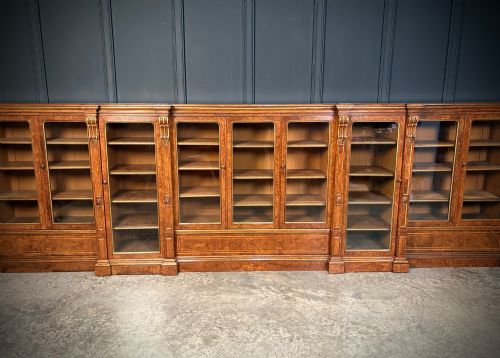
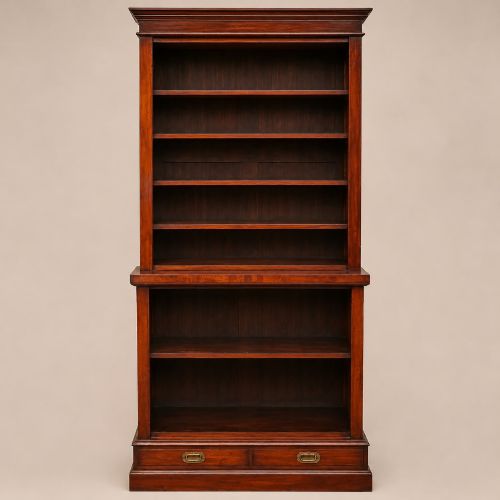
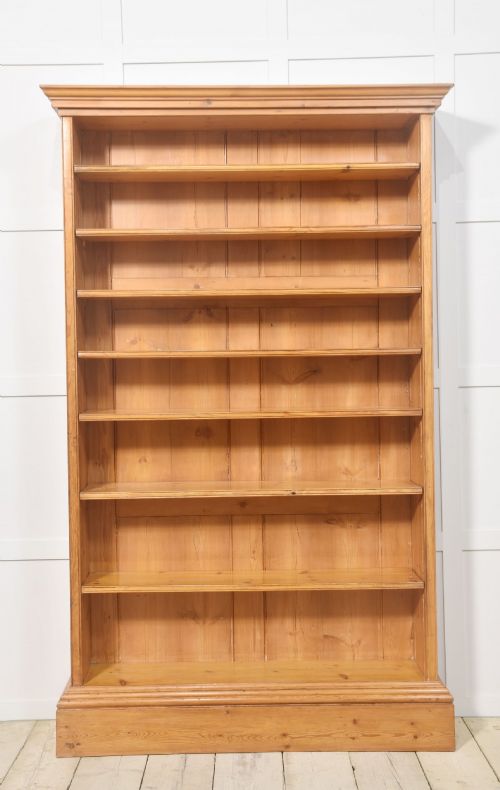
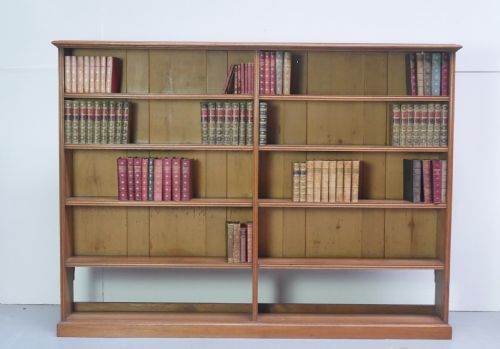
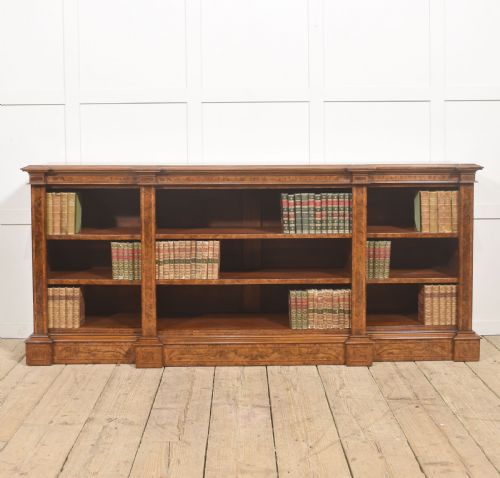
A fitted bookcase unit provides extensive architectural storage, often integrating open shelves with lower cupboards to anchor a room. The listings show forms spanning the eighteenth century through the 1930s, encompassing breakfront layouts, open pine shelving, and architectural library pieces.
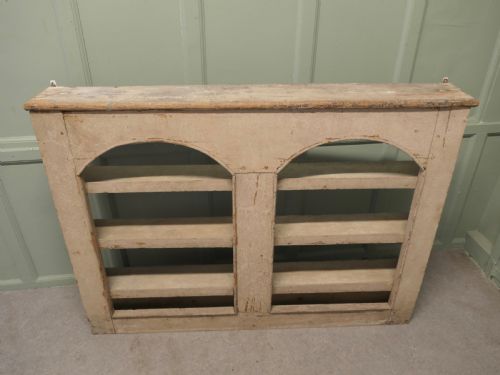
Buyers will encounter substantial mahogany breakfronts alongside narrower Edwardian oak cupboards and French pine alcove pieces. Victorian and Edwardian examples dominate the current selection, bringing substantial timber presence and dedicated display capacity.
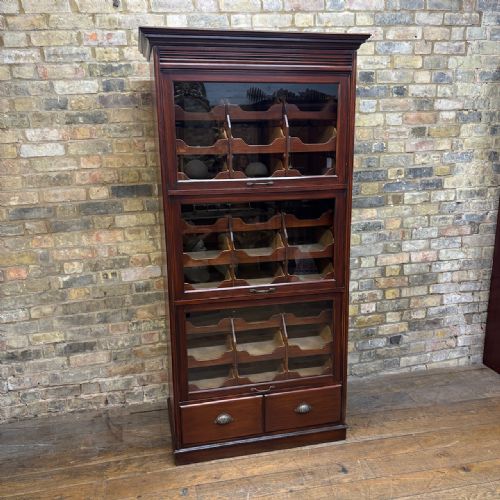
The wider category takes in display cabinets, haberdashery units, and corner cabinets that serve the same fundamental storage purpose. Each variant adapts architectural joinery to domestic or commercial interiors, utilising breakfront profiles or fitted interiors to organise books and objects.
Assessing build quality and proportion
Proportion and timber selection determine the standing of each piece, distinguishing ambitious library installations from smaller domestic cupboards. Mahogany and burr walnut breakfronts display superior grain matching and architectural ambition compared to simpler pine or oak utility pieces.
The integration of fitted elements, such as secretary desks or raised galleries, separates standard shelving from bespoke commissions. Cabinetwork quality shows in the execution of breakfront carcasses, cornice mouldings, and the preservation of original glass and brass details.
Fitted Bookcase Unit Retail Price Guide 2026
Typical asking prices for fitted bookcase unit among the pieces listed under this phrase on Sellingantiques today, from the lower quarter to the upper quarter. They describe what is for sale here now, not the wider market.
Listings span from the eighteenth century to the 1930s, featuring mahogany, oak, pine, burr walnut, and painted wood.
Goodhall Lamb and Heighway of Manchester
The Fitted Bookcase Unit Glossary
- Breakfront
- A cabinet design where the central section projects forward from the flanking wings. This configuration adds architectural depth and visual weight to large library bookcases.
- Secretaire
- A desk component integrated into a cabinet, featuring a drop-front writing surface concealing small drawers and pigeonholes. It turns a bookcase into a functional writing station.
- Alcove shelving
- Fitted storage built to occupy the recessed space beside a chimney breast or room corner. These pieces maximise awkward domestic layouts with bespoke carpentry.
- Raised gallery
- A decorative low railing or shelf tier mounted atop a cabinet surface. It provides a secure border for displaying small objects or holding books upright.
- Haberdashery cabinet
- A multi-drawer storage unit originally designed for retail drapery merchandise. These pieces offer numerous shallow compartments suited to small collections.
Fitted Bookcase Unit: Frequently Asked Questions
How do I measure for a fitted bookcase unit?
Take multiple height, width, and depth measurements along your chosen wall to account for uneven historic plasterwork and skirting boards.
Compare these figures against the overall dimensions of breakfront or alcove units to ensure proper clearance for cornices and opening doors.
Can these bookcases be disassembled?
Many large nineteenth century library bookcases and breakfront units were constructed in modular sections to facilitate transport and installation.
Check whether the cornice, base plinth, and central shelving carcass separate into manageable components for moving.
What is the difference between open and glazed bookcases?
Open bookcases provide immediate access to volumes and showcase decorative bindings without physical barriers.
Glazed display cabinets protect sensitive paper and bindings from dust and light exposure while keeping contents visible.
How do I date a nineteenth century bookcase?
Examine the secondary timbers used for drawer linings and backboards, alongside construction marks and brass hardware styles.
Stylistic cues such as William IV mahogany graining or Edwardian raised galleries help assign pieces to specific decades.