





Fireside Container
A fireside container brings order to fuel storage, housing coal, logs, or kindling neatly beside the hearth in brass, copper, and oak.
Fireside Container
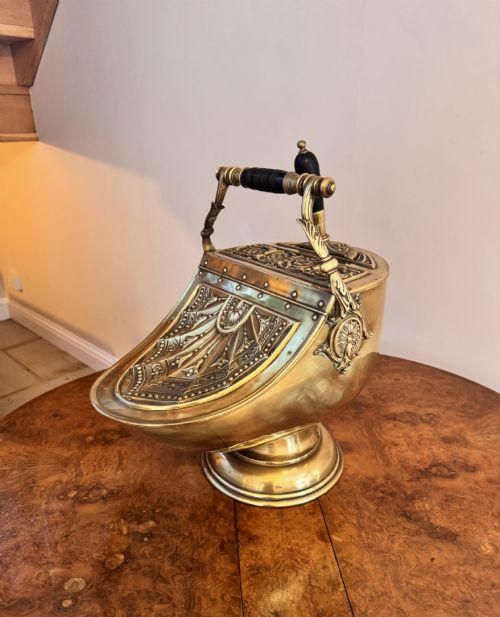
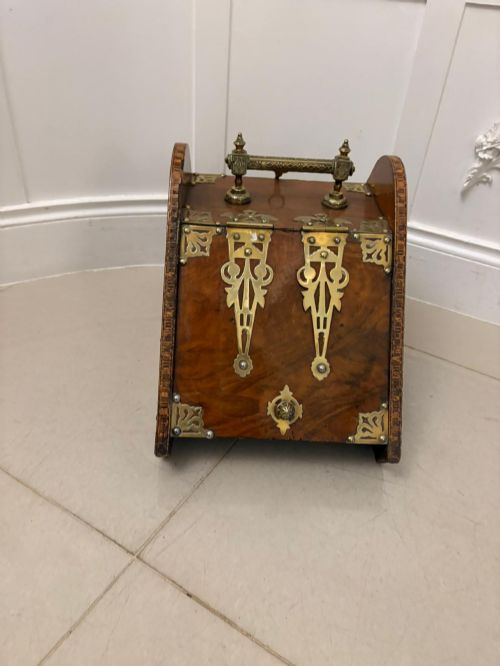
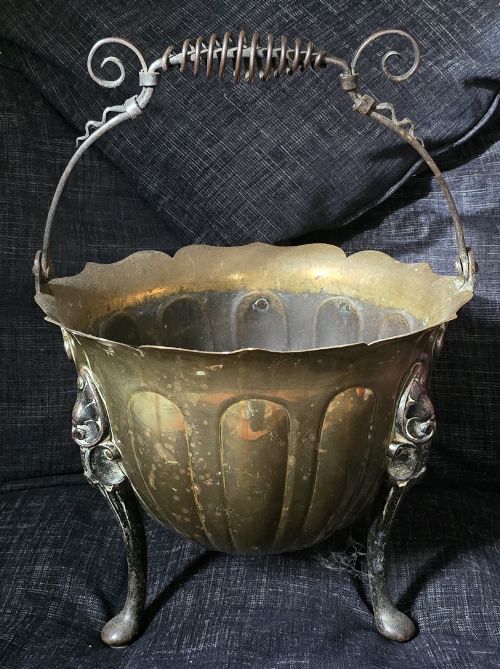
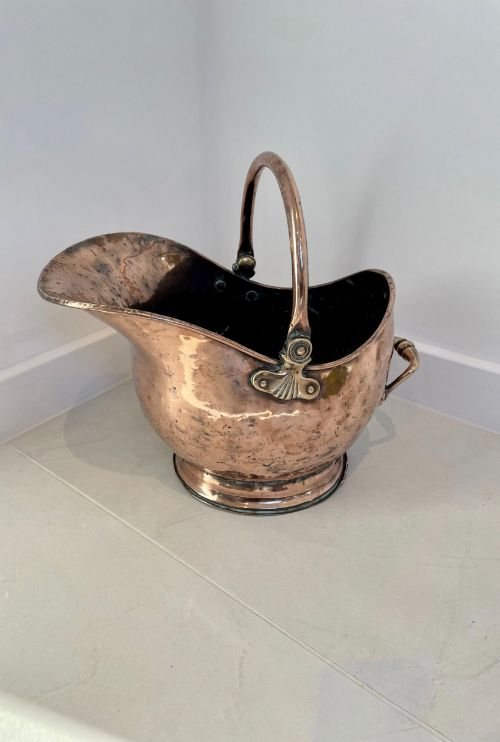
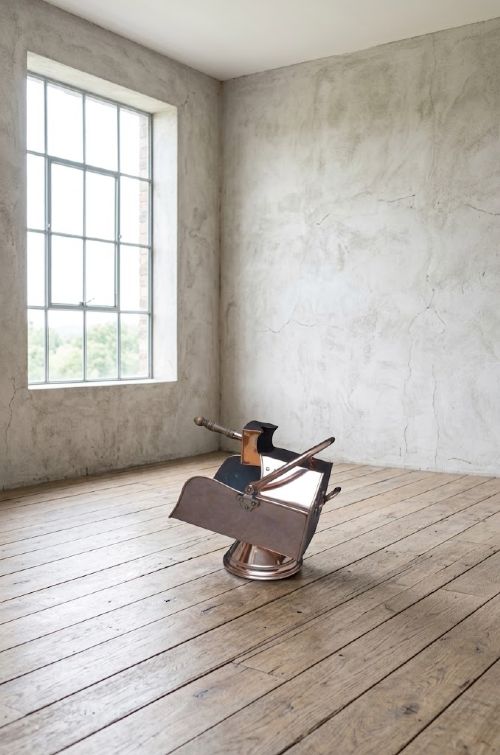
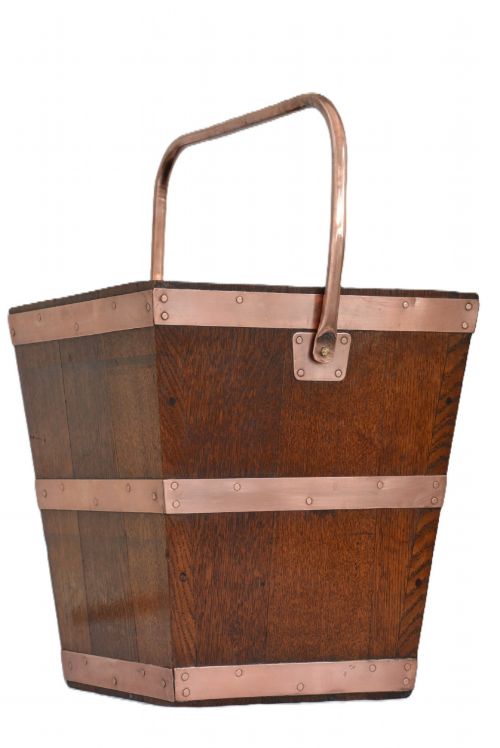
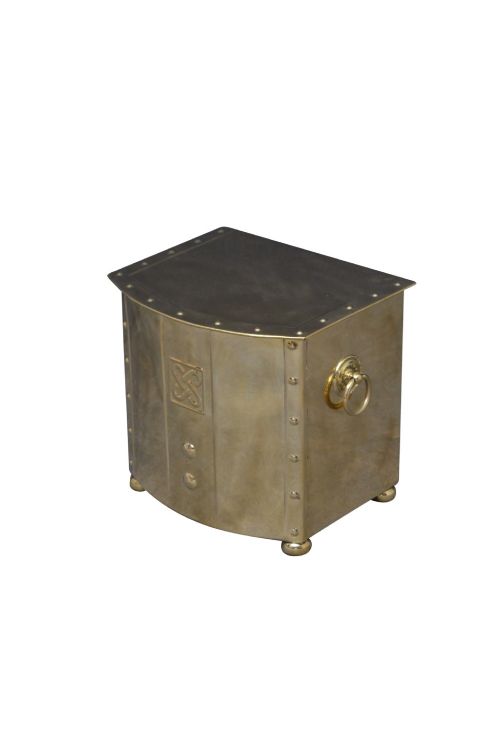
A fireside container serves to hold fuel near the fireplace, taking forms such as coal scuttles, log bins, coal buckets, and purdoniums. These items range from George III and Victorian periods through Edwardian and Art Deco eras, with nineteenth-century brass and copper examples appearing most frequently.
Makers and designers of the period created both utilitarian vessels and decorative objects, utilising timber and metal to complement the domestic interior. The selection spans straightforward country oak boxes to riveted copper buckets and embossed brass designs.
Functionality dictated the basic construction, often including metal liners or drop handles for carrying fuel from the cellar to the hearth. Many retain original shovels or feature drop-front lids designed for ease of access during daily tending of the fire.
Materials and construction
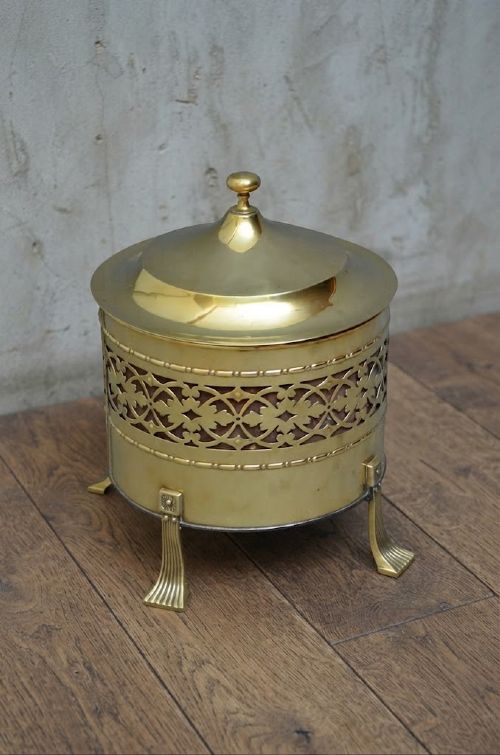
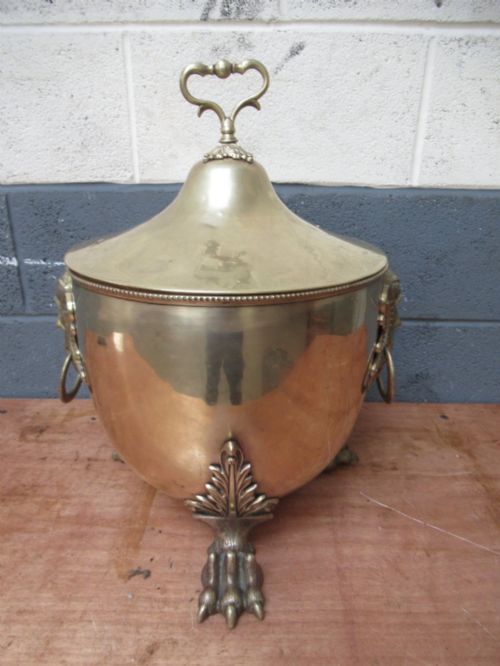
Metals such as brass and copper dominate the construction, shaped into helmets and buckets through hammering, riveting, and repoussé embossing. Workshops employed heavy gauge sheets, securing seams with iron framing or robust rivets to withstand the weight of coal and logs.
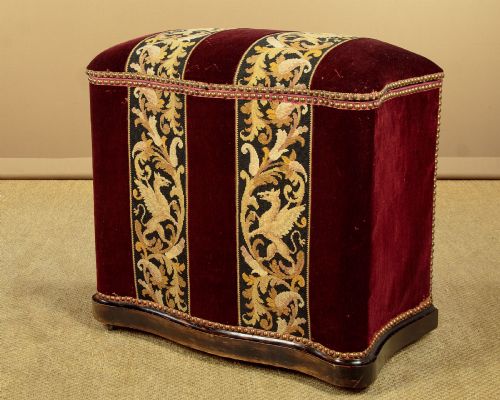
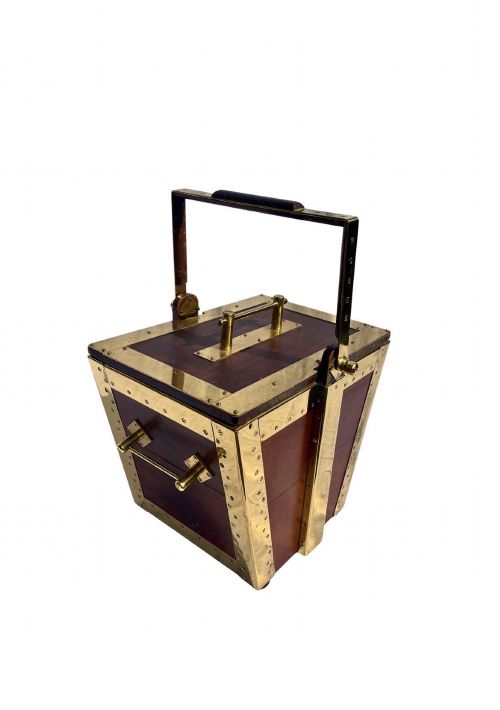
Woodworking traditions also feature prominently, utilising oak and walnut to build robust log boxes and purdoniums. Carpenters incorporated carved panels, brass bands, and upholstered padding to elevate these functional items into respectable parlour furniture.
Fireside Container Retail Price Guide 2026
Typical asking prices for fireside container among the pieces listed under this phrase on Sellingantiques today, from the lower quarter to the upper quarter. They describe what is for sale here now, not the wider market.
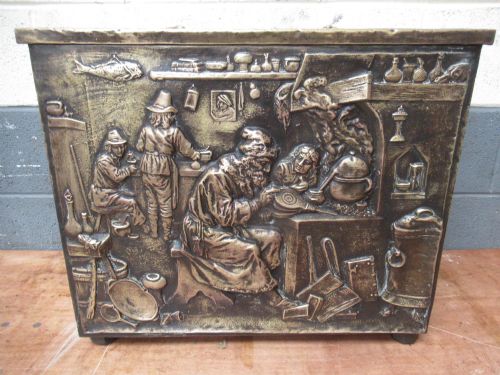
Some nineteenth-century brass buckets feature detailed tavern scenes hammered into the metal, bringing a lively local pub atmosphere straight to the hearthrug.
Distinctions in quality
Quality rests on the weight of the metal and the integrity of the joins, with heavier gauge brass and hand-riveted copper standing apart from lighter stamped alternatives. Superior pieces retain their original iron liners, brass shovels, and matching fittings rather than replacement components.
Decorative execution separates standard vessels from finer workshop productions, visible in crisp repoussé tavern scenes, clean fretwork, or well-figured timber. Maker attribution, seen in stamps by firms such as Benham and Froud, adds distinct merit to an item.
Henry Loveridge·Benham and Froud·Petrus Ramus
The Fireside Container Glossary
- Coal scuttle
- A container designed specifically to hold coal for domestic fires, often featuring a funnel shape or a hinged lid for pouring.
- Purdonium
- A specific type of Victorian wooden coal box with a sloping drop-front door and an interior metal liner.
- Repoussé
- A metalworking technique where the artisan hammers the design from the reverse side to form raised patterns on the surface.
- Log bin
- A large container, typically cylindrical or rectangular, used to store firewood beside a hearth.
- Helmet shape
- A traditional coal scuttle profile featuring a flared brim and a high back, resembling a classical military helmet.
Fireside Container: Frequently Asked Questions
Did these containers always come with shovels?
Many Victorian and Edwardian examples included matching shovels stored in side clips or dedicated compartments.
Finding a container with its original shovel remains a desirable bonus for collectors today.
How do I clean a brass or copper container?
Most owners prefer to leave a natural aged patina on nineteenth-century metalwork rather than polishing it to a bright shine.
Gentle dusting and occasional light cleaning will protect the surface without removing historical character.
Can I still use an antique container for real logs?
Wooden and metal bins function well for holding dry logs beside a modern fireplace.
Using an interior liner prevents moisture and bark debris from marking the base of the antique.