



Fireplace Hearth Basket
When you search for a fireplace hearth basket, you are tracking down substantial metalwork and leather designed to hold fuel or contain a coal fire near the hearth.
Fireplace Hearth Basket
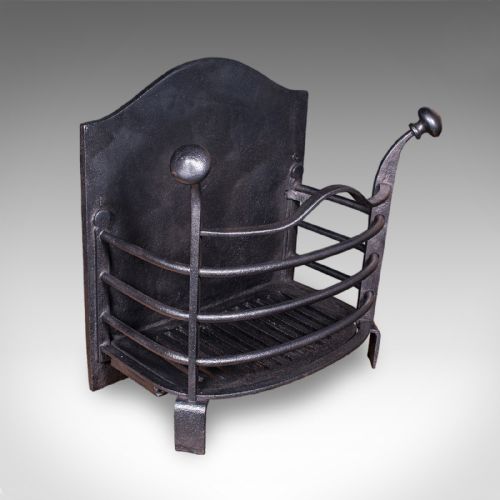
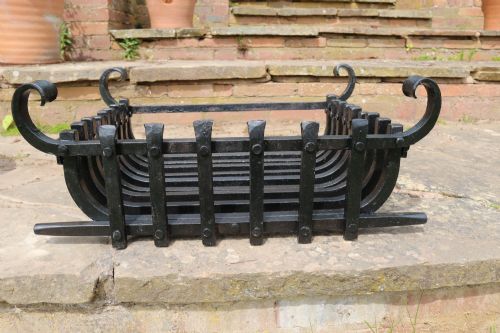
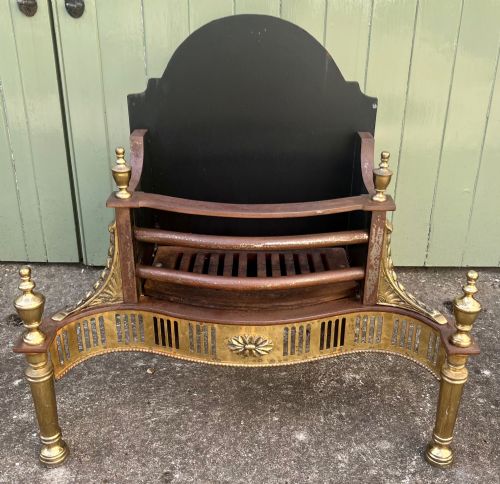
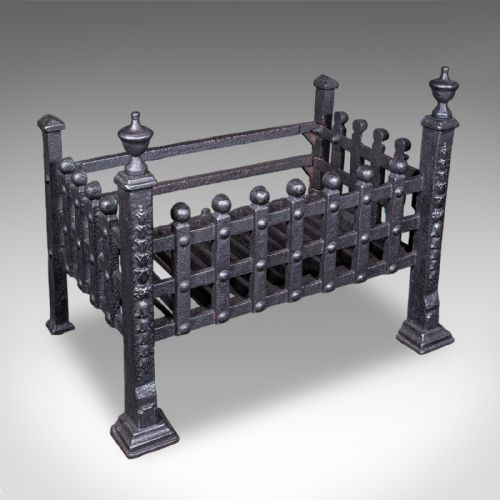
A fireplace hearth basket encompasses practical fireside vessels and grates designed to sit directly on the floor or within a chimney opening. These pieces serve the functional purpose of holding coal, logs, or kindling while framing the hearth.
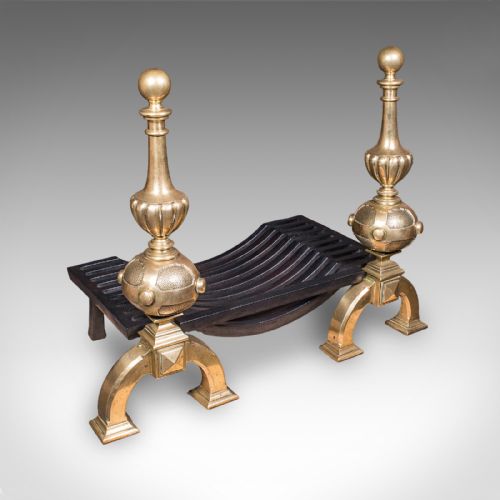
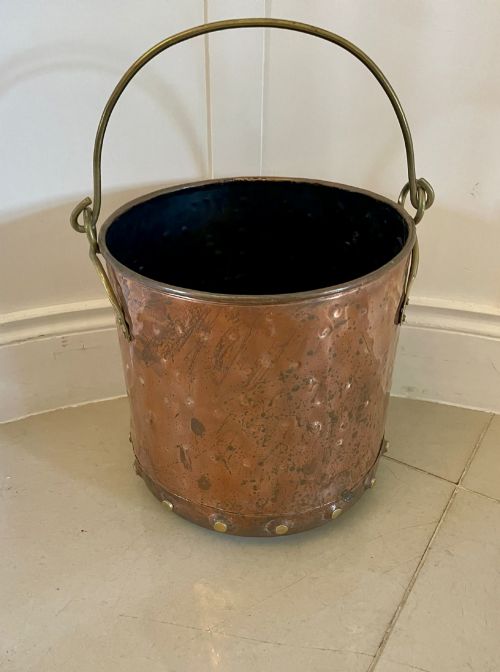
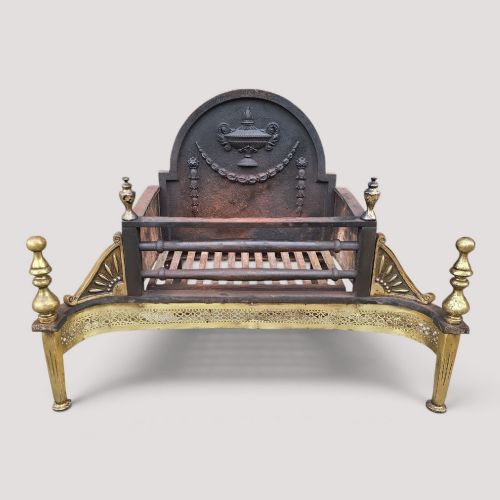
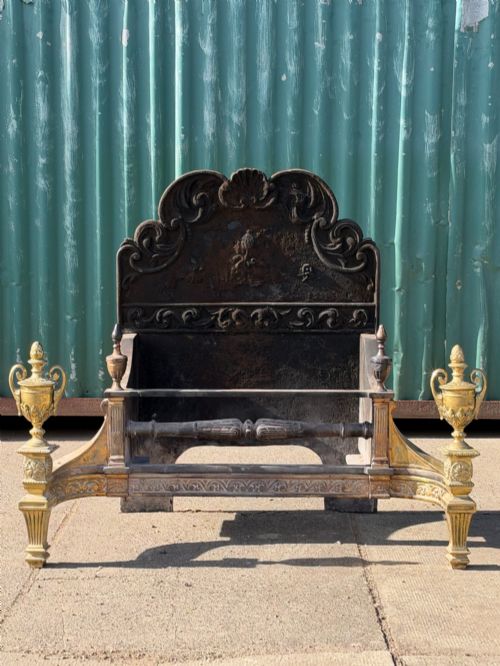
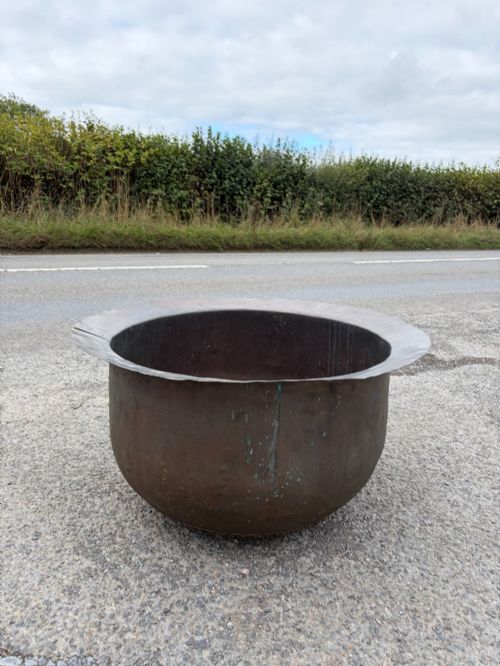
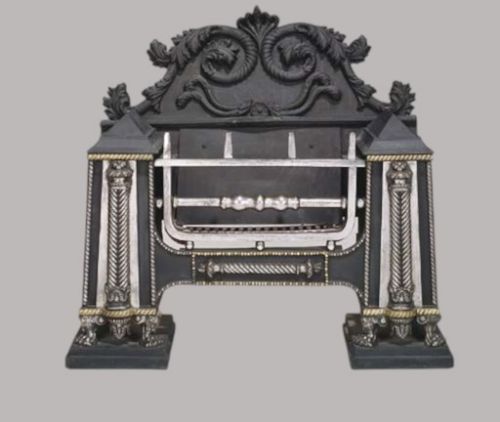
The most common versions met on this page include cast iron and wrought iron fire grates, alongside copper and brass coal buckets or log bins. They span periods from the eighteenth century through to the early twentieth century, reflecting Georgian, Victorian, and Arts and Crafts tastes.
How they were made
Makers utilised durable metals including cast iron, wrought iron, brass, and copper, often combining them within a single piece such as a cast iron grate fitted with brass andirons. Riveting appears frequently on copper buckets and bins, securing the plate metal together.
Fireplace Hearth Basket Retail Price Guide 2026
Typical asking prices for fireplace hearth basket among the pieces listed under this phrase on Sellingantiques today, from the lower quarter to the upper quarter. They describe what is for sale here now, not the wider market.
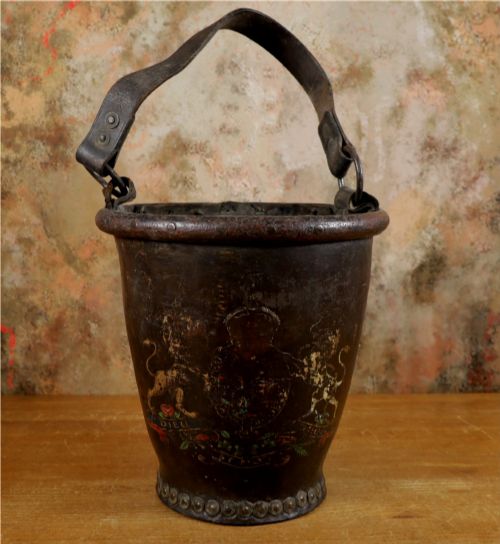
A leather fire bucket carries a coat of arms with a lion and unicorn, keeping heraldry right beside the kindling.
What varies in quality
Weight and gauge of metal dictate the substance of a piece, distinguishing heavy ironwork and thick copper plate from lighter alternatives. The presence of detailed casting, such as Adam style ornamentation or Neo Gothic motifs, separates standard items from superior examples.
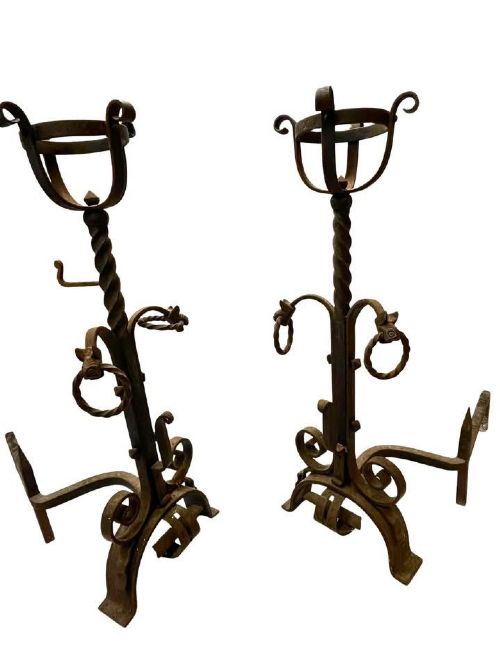
Intricacy of hand-wrought ironwork or decorative studding on leather baskets shows the level of craftsmanship involved. The integration of matching components, such as andirons and fire irons forming a complete set, influences the character of the hearth assembly.
Petrus Ramus
The Fireplace Hearth Basket Glossary
- Andirons
- Supports for wood logs placed in a fireplace, typically featuring decorative metal fronts. They are often found paired with fire grates.
- Register Grate
- A fireplace grate incorporating a movable plate or damper to control the draught up the chimney. These units regulate airflow during combustion.
- Hob Grate
- A fireplace grate featuring flat raised metal ledges at the sides for heating pans or kettles. This form gained popularity during the Georgian period.
- Coal Scuttle
- A bucket or container specifically designed for carrying and storing coal near the fire. They are frequently fashioned from brass or copper with swing handles.
- Fire Back
- A heavy metal plate placed at the back of a fireplace hearth to reflect heat into the room and protect the masonry wall. They often display cast decorative scenes or heraldry.
Fireplace Hearth Basket: Frequently Asked Questions
What is a fireplace hearth basket used for?
These pieces function either as grates to hold burning fuel safely within the hearth or as receptacles for storing logs, coal, and kindling nearby. They organise fuel supplies and support fireside combustion.
Larger iron baskets integrate with andirons to manage wood fires, while copper and brass buckets keep smaller fuel supplies ready for use.
How do I identify a Georgian fire grate?
Georgian grates often display classical architectural motifs such as Adam style urns, swags, or serpentine fronts. They utilise cast and wrought iron with balanced proportions.
Subsequent nineteenth century revivals copied these lines, so construction details and metal thickness help confirm the period.
What metals are these hearth items made from?
Cast iron and wrought iron provide the heavy structure for fire grates and andirons. Copper and brass form the buckets, scuttles, and bins.
Combinations of iron with brass or copper trim appear frequently across Victorian and Edwardian examples.
How do I clean a copper coal bucket?
Copper requires gentle cleaning to preserve its finish and historical patina. Standard metal polish removes active tarnish from brass and copper surfaces.
Harsh abrasives should be avoided to protect the underlying metal plate and any riveted joints.