
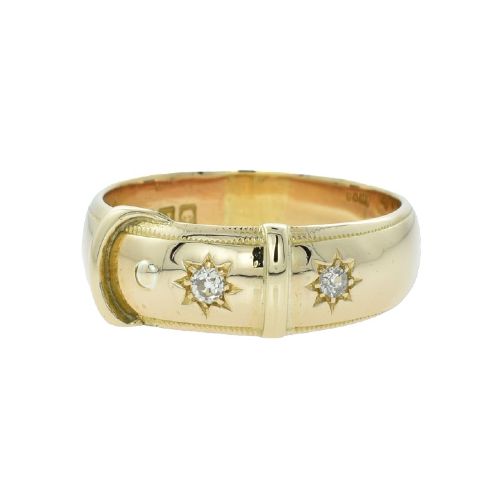
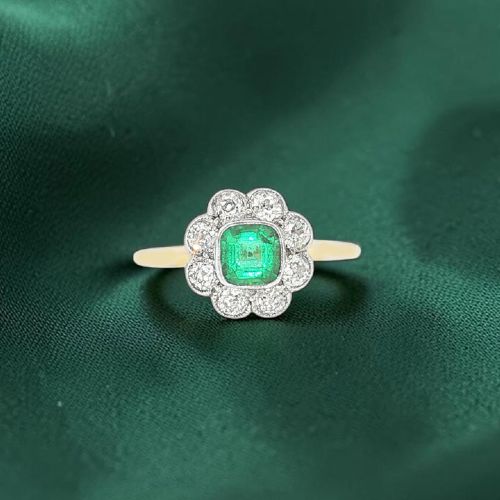
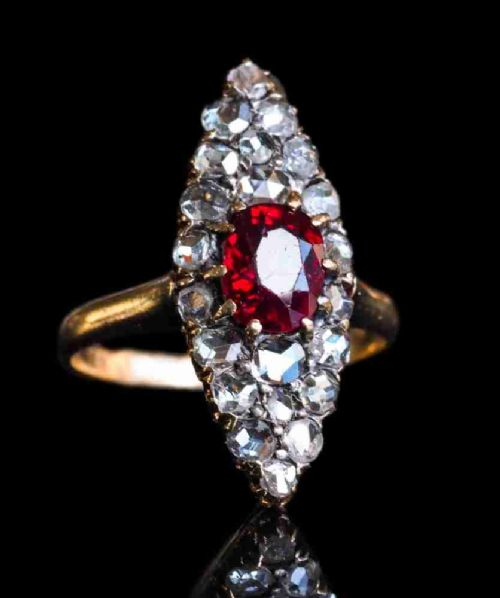
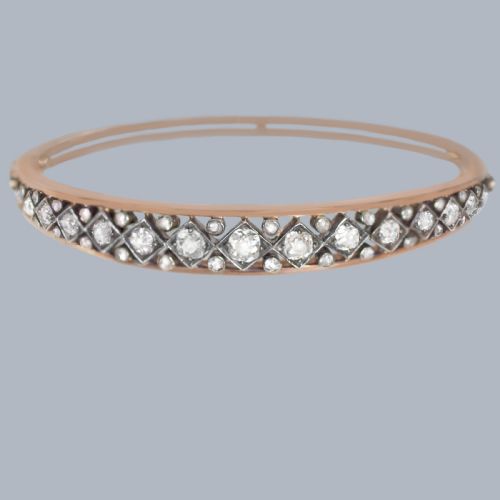


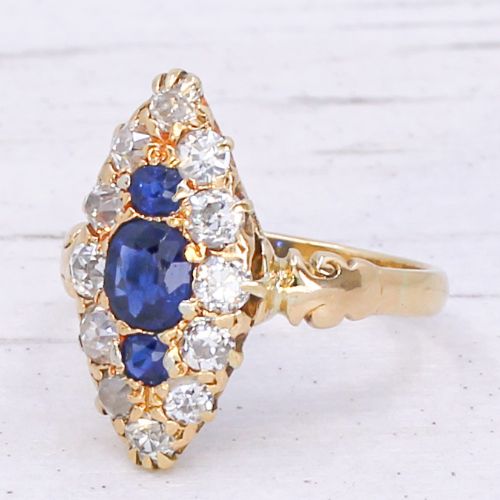
Fine Victorian Diamond Jewellery
Fine victorian diamond jewellery gathers rings, brooches, and pendants set with old cut stones across periods from the nineteenth century into the early twentieth.
Fine Victorian Diamond Jewellery
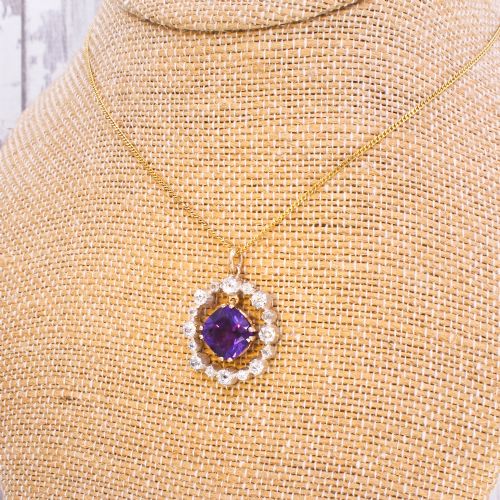
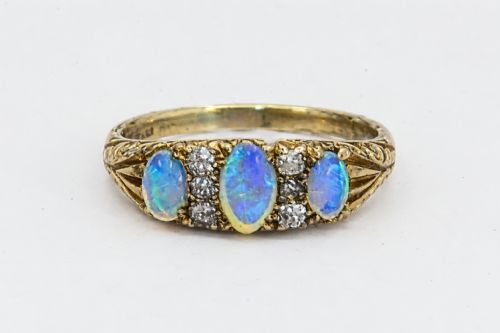
Fine victorian diamond jewellery comprises rings, earrings, brooches, and pendants originating predominantly from the Victorian and Edwardian eras, alongside related pieces spanning Georgian to 1930s dates. The forms include cluster rings, drop earrings, and pendant brooches designed to showcase older diamond cuts alongside coloured stones.
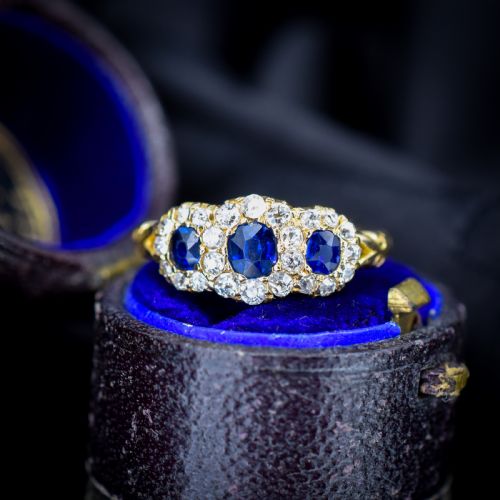
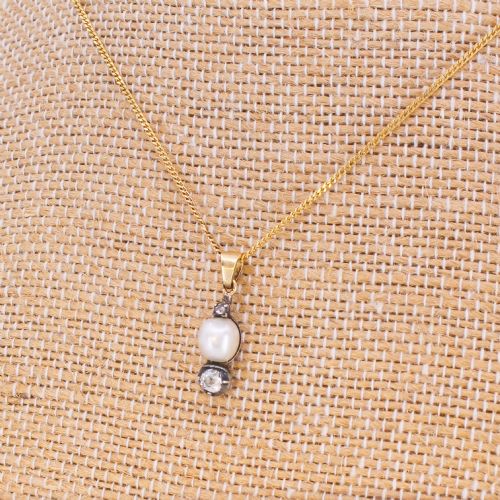
Buyers encounter cluster rings, bangles, and multipiece necklaces utilising yellow gold, silver, and platinum mounts. Many pieces combine diamonds with natural pearls, sapphires, rubies, and emeralds set within distinct regional and period styles.
How they were made
Metals such as 18ct gold, 9ct yellow gold, silver, and platinum form the foundational mounts, often combining silver-topped gold to enhance the brilliance of early stones. Goldsmiths and jewellers utilised hand fabrication techniques to construct detailed settings for old mine and old European cut diamonds.
Natural pearls and coloured gems like sapphires, rubies, turquoise, and amethysts are integrated alongside enamel work, secured by handcrafted bezels, claw settings, and delicate foliate mounts.
What varies in quality
The distinction between tiers rests upon the harmony of the overall design, the integrity of the original metalwork, and the presence of untouched natural pearls or unheated gemstones. Superior examples maintain crisp detail in foliate mounts and secure, period-correct stone settings.
Proportion and stone matching within cluster and trefoil arrangements elevate individual pieces. Evidence of later alterations or replacement stones alters the character of the piece away from its original period manufacture.
The Fine Victorian Diamond Jewellery Glossary
- Old cut diamond
- A diamond cut by hand during the eighteenth or nineteenth century, characterised by a smaller table, higher crown, and large culet facet. This older cutting style produces a distinctive softer glow under candlelight rather than the precise modern brilliance.
- Cluster ring
- A ring featuring a central gemstone encircled by a ring of smaller stones, frequently diamonds framing a sapphire, ruby, or emerald. This arrangement maximises visual impact and light return.
- Pendant brooch
- A versatile jewelled ornament fitted with both a pin mechanism for wearing on fabric and a hidden loop for suspension on a chain. Such pieces demonstrate nineteenth-century adaptability in jewellery design.
- Navette
- A boat-shaped gemstone setting or ring face that tapers to pointed ends at the top and bottom. The elongated silhouette sits flat along the finger.
Fine Victorian Diamond Jewellery: Frequently Asked Questions
How do I care for antique diamond jewellery?
Clean these pieces gently using warm water and a soft brush, avoiding harsh ultrasonic cleaners that can damage natural pearls or fragile metal settings.
Store each item in a separate lined compartment to prevent softer gold mounts and gemstones from scratching against one another.
Are the pearls natural?
Many period pieces incorporate natural pearls formed organically in saltwater or freshwater environments without human intervention.
Examination under magnification reveals the characteristic structure that distinguishes them from cultured counterparts.
What is silver-topped gold?
Jewellers soldered a thin layer of silver onto the front of a gold mount to provide a bright white surface that flattered the appearance of diamonds.
Gold formed the sturdy reverse of the piece to prevent tarnish from touching the wearer's skin or clothing.
Can these rings be resized?
Many gold and platinum rings permit careful adjustment by a skilled jeweller experienced in handling antique metalwork and older stones.
Intricate shoulders or closed-back settings require specialist assessment to ensure the structural integrity remains undisturbed.