








Fine Silk Rug
A fine silk rug brings intricate Persian and Turkish artistry into a room, offering dense knotting and luminous dyed threads developed across decades.
Fine Silk Rug
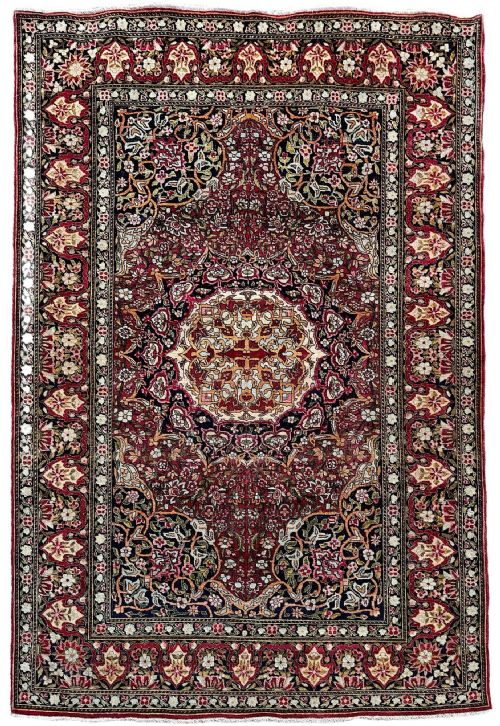
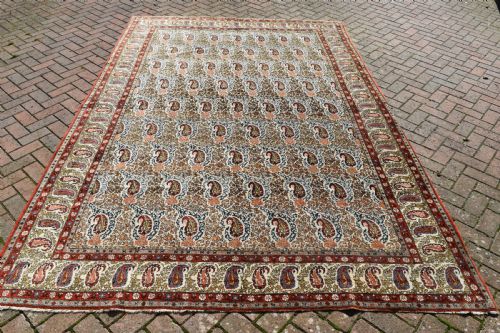
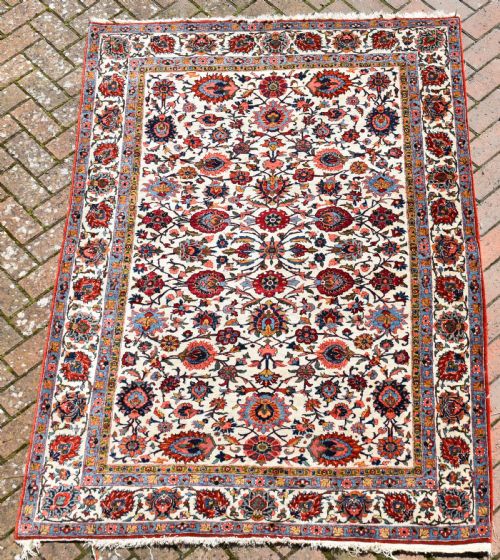
A fine silk rug encompasses woven floor coverings and decorative textiles originating primarily from Persian, Turkish, and Central Asian workshops. When searching for a fine silk rug, collectors encounter diverse formats including prayer carpets, medallion designs, and pictorial compositions spanning the mid-nineteenth century to the mid-twentieth century.
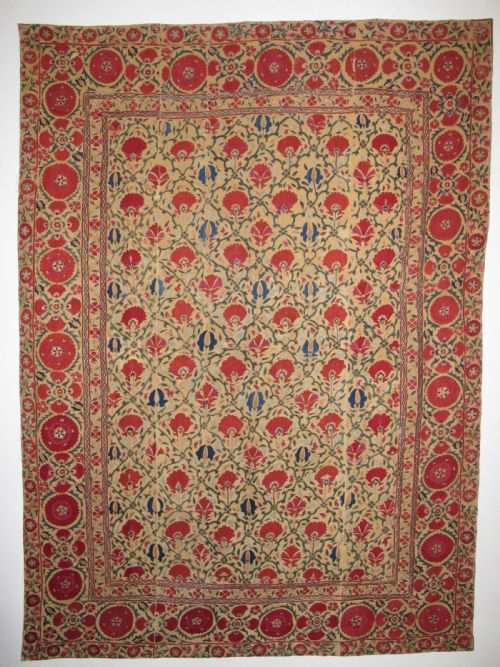
The selection ranges from compact area rugs to substantial carpets woven in historical centres such as Qum, Isfahan, Kashan, and Tabriz. Alongside pile carpets, buyers also meet related textile traditions like Suzanis and Rasht embroideries that utilise similar artistic motifs.
Judging the standard
Quality rests primarily in the density of the weave and the precision of the knotting, which dictates how sharply the floral or geometric patterns resolve. Higher grade examples maintain consistent tension across the foundation, ensuring the textile lies flat and retains its structural integrity.
The depth and harmony of the dye palette further distinguish superior pieces, particularly where pastel shades or rich saturated colours interact without bleeding. The selection of materials also plays a role, with pure silk construction or fine wool on silk foundations representing advanced technical execution.
Fine Silk Rug Retail Price Guide 2026
Typical asking prices for fine silk rug among the pieces listed under this phrase on Sellingantiques today, from the lower quarter to the upper quarter. They describe what is for sale here now, not the wider market.
Listings feature silk, cotton, wool, felt, and lambswool materials across Persian, Turkish, and Central Asian styles.
The Fine Silk Rug Glossary
- Foundation
- The underlying structure of warp and weft threads that supports the pile knots. In many pieces, this foundation consists of silk or cotton.
- Pile
- The upright yarn loops or cut ends that form the surface of the rug. This upper layer is frequently woven from silk, wool, or lambswool.
- Warp
- The stationary vertical threads stretched upon the loom before weaving commences. The pile knots are tied around these tensioned elements.
- Weft
- The horizontal threads passed alternately over and under the warp threads to lock the knots in place. Tight weft insertion contributes to a durable weave.
- Suzani
- A traditional embroidered textile originating from Central Asia. These decorative pieces often display bold floral sprays worked in silk on cotton or wool grounds.
Fine Silk Rug: Frequently Asked Questions
How do I care for a silk rug?
Protect the textile from direct sunlight to prevent fading and keep foot traffic moderate to avoid excessive wear on delicate pile yarns.
Vacuum gently without using a beater bar and consult a specialist rug conservator for professional cleaning when necessary.
What is a prayer rug?
A prayer rug is a smaller format textile featuring a distinctive mihrab or arch design that indicates the direction of prayer during use.
These pieces were traditionally utilised for personal devotion but are now appreciated for their compact compositions and symbolic motifs.
Where were these rugs made?
Production centres span traditional weaving regions in Persia, Turkey, and Central Asian areas such as Uzbekistan. Major towns like Qum, Isfahan, Kashan, and Tabriz established distinct regional styles.
Turkish production is frequently represented by Kayseri and Sivas workshops.
How are different periods identified?
Dating relies on stylistic shifts, structural characteristics, and material combinations recorded across nineteenth and twentieth-century examples. Earlier pieces often display specific natural dye palettes and traditional workshop designs.
Mid-century items reflect evolving regional output and changing aesthetic preferences.