

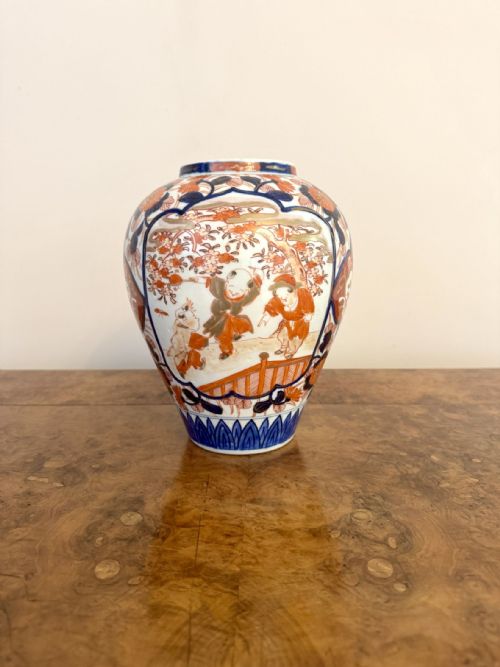


Fine Porcelain Vessel
A fine porcelain vessel holds liquids or sits as a decorative centrepiece, bringing centuries of ceramic artistry into your home.
Fine Porcelain Vessel
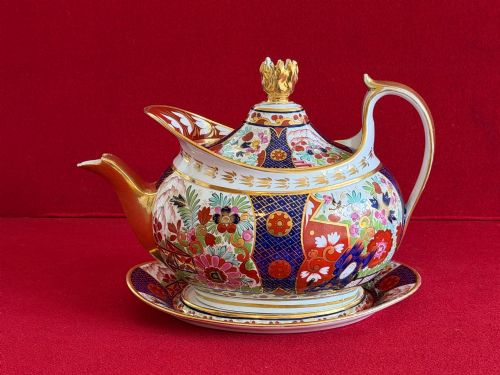
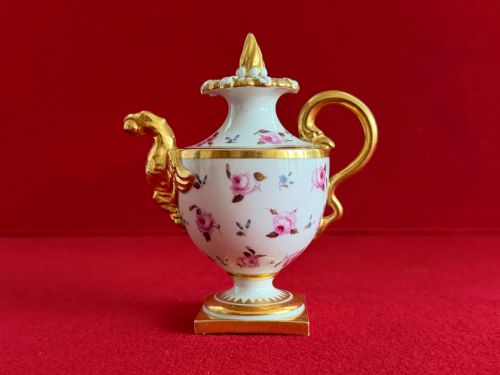
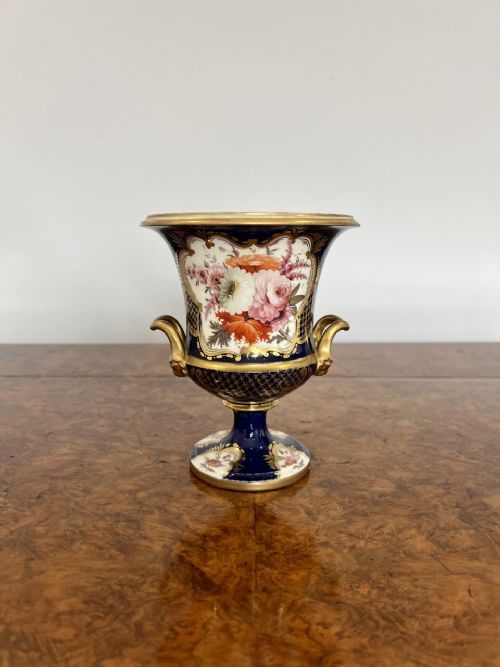
A fine porcelain vessel spans scholar's objects, vases, water pots, and teawares originating from European factories and Asian dynasties. The selection centres heavily on Chinese Qing period ceramics and Japanese Meiji Satsuma or Imari wares, alongside English porcelain from Worcester and Spode.
Forms range from miniature cabinet pieces and brush pots to large trumpet vases and ginger jars. These items served functional roles on scholars' desks or purely decorative purposes in period interiors.
How they were made
Potters utilised high-fired porcelain bodies decorated with cobalt underglaze, overglaze enamels, and gold leaf gilding. Surface treatments frequently incorporate powdered glazes and intricate hand-painted details.
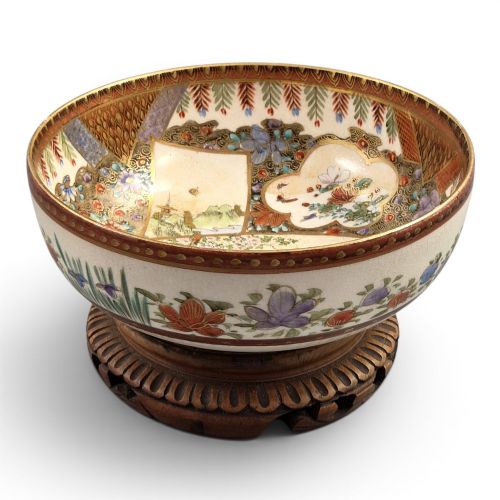
Japanese Satsuma wares utilise earthenware and delicate crackle glazes embellished with polychrome enamels and raised gilt work, while Chinese pieces demonstrate mastery of controlled kiln atmospheres for blue and white, famille rose, and doucai palettes.
Fine Porcelain Vessel Retail Price Guide 2026
Typical asking prices for fine porcelain vessel among the pieces listed under this phrase on Sellingantiques today, from the lower quarter to the upper quarter. They describe what is for sale here now, not the wider market.
Several scholar's vessels on this page were built strictly to house ancient calligraphy brushes, though none have seen ink in over a century.
What varies in quality
Quality rests in the precision of the brushwork and the clarity of the glaze, distinguishing mass production from imperial or master-signed studio output. The crispness of cobalt definition or the delicacy of overglaze enamel layering dictates the tier of the piece.
The refinement of the clay body and the stability of the potting shape during high-temperature firing separate standard utilitarian wares from superior artistic creations.
Flight Barr and Barr·Royal Worcester·Royal Doulton·Spode
The Fine Porcelain Vessel Glossary
- Imari
- A style of Japanese porcelain decorated in underglaze blue, iron red, and gold, named after the port from which it was shipped to Europe. This aesthetic gained immense popularity during the Edo period.
- Famille Rose
- A palette of opaque overglaze enamels introduced in China during the Qing dynasty, dominated by pink and rose colours mixed from gold chloride. Artists used these tones to render naturalistic floral and figurative scenes.
- Bitong
- A cylindrical brush pot used on the desks of Chinese scholars to hold writing brushes. These objects were carved from porcelain, bamboo, or wood.
- Doucai
- A technique combining underglaze blue outlines with overglaze polychrome enamels on Chinese porcelain. The method originated during the Ming dynasty and continued into the Qing period.
- Gilt
- Application of gold leaf or powdered gold onto the surface of ceramic bodies or glazes. Artisans deployed this technique to highlight rims, handles, and painted motifs.
Fine Porcelain Vessel: Frequently Asked Questions
How do I display a porcelain vessel safely?
Place your vessel on a stable, level surface away from direct foot traffic and vibrations. Ensure it sits clear of direct sunlight to prevent any fading on enamel or gilt decorations over time.
For taller items or delicate neck configurations, keep them on lower shelves where accidental tipping remains unlikely. Use museum putty beneath the base if environmental tremors are a concern in your room.
What is the difference between Satsuma and Imari?
Satsuma wares consist of an ivory-coloured earthenware body with a fine crackle glaze, typically decorated with intricate hand-painted figures and dense gilding. They were produced primarily during the Meiji period for export.
Imari pieces are true porcelain decorated in a distinct palette of cobalt blue, iron red, and gold, focusing on floral and brocade patterns derived from Japanese traditions.
How do I identify the period of Chinese porcelain?
Examine the base for reign marks, dynasty attribution styles, and the characteristics of the clay body and glaze finish. Brushwork execution and enamel chemistry often reveal the manufacturing era.
Compare the potting weight and foot rim finish against known examples from periods such as the Kangxi or Qianlong reigns, noting that later copies frequently mimic earlier styles.