



Fine Gold Jewellery Pendant
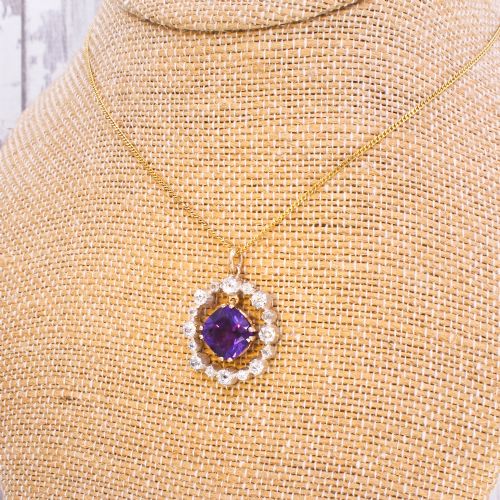
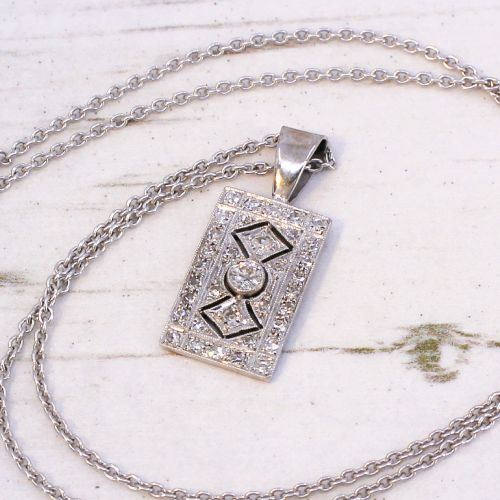
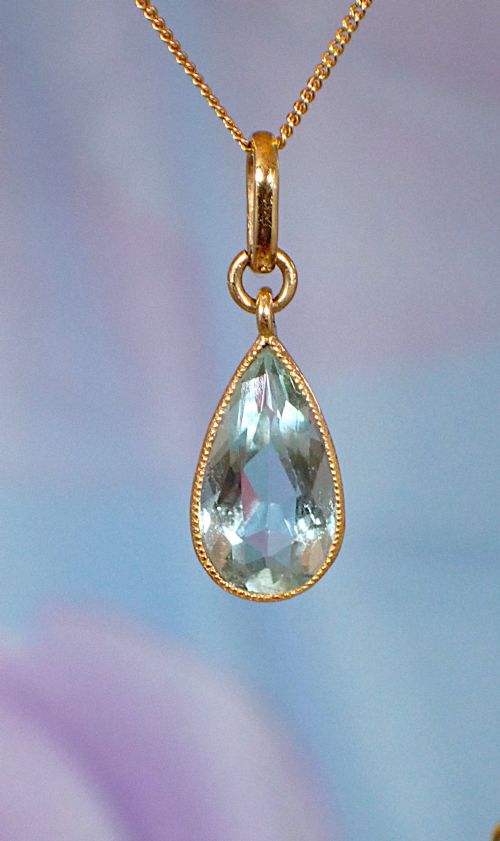
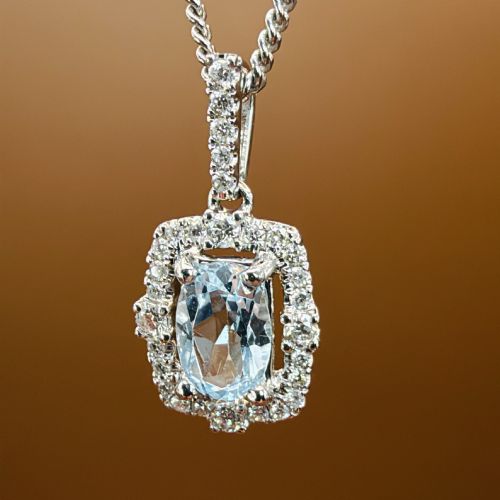
A fine gold jewellery pendant brings together precious metals and gemstones from the Victorian, Edwardian, and Art Deco periods.
Fine Gold Jewellery Pendant
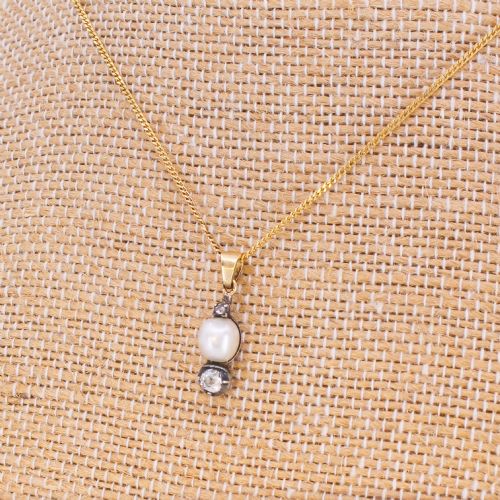
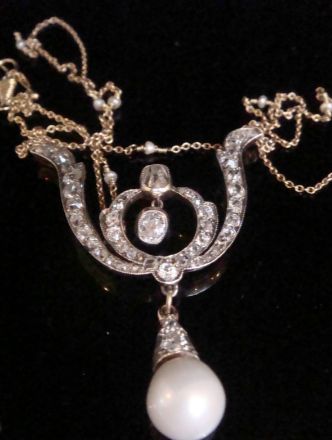
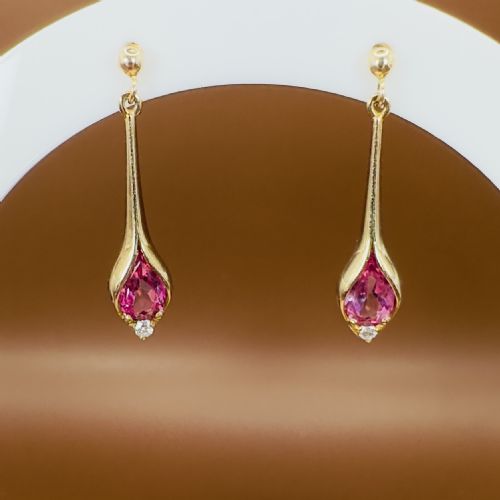
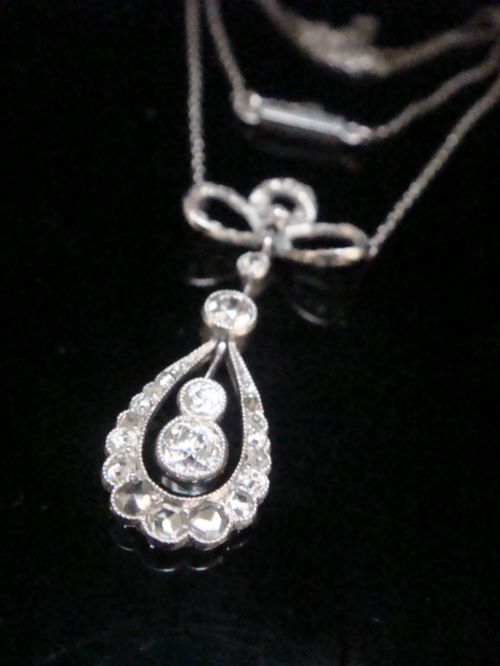
Buyers encountering this selection most frequently meet pendant necklaces and drop designs featuring central gems set in nine-carat or eighteen-carat yellow, white, and rose gold. Configurations range from solitary diamond bezels to elaborate cluster arrangements with seed pearls.
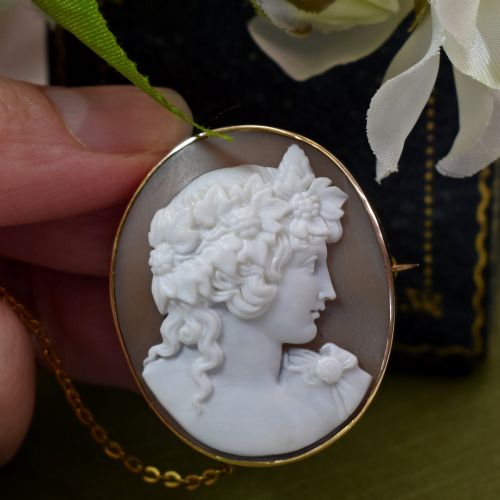
The assortment includes antique and vintage works from varied European origins, displaying styles from classical cameos to geometric Art Deco motifs. Each piece serves primarily as a decorative neck ornament, occasionally incorporating matching chains or convertible brooch fittings.
Materials and construction methods
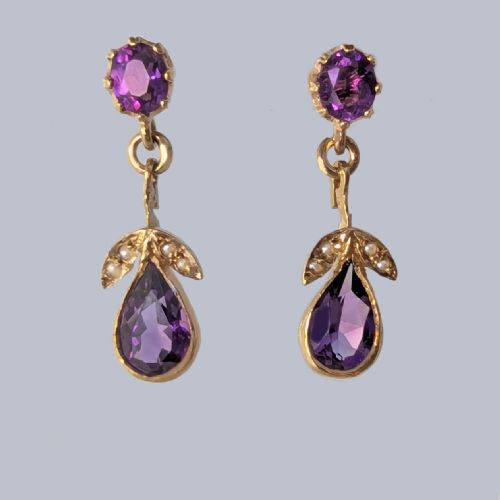
Craftsmen utilised varied grades of gold, predominantly nine, fifteen, and eighteen-carat, alongside platinum mounts for securing diamonds and pearls. Gemstones such as amethyst, opal, and sapphire were shaped into oval, faceted, and cabochon cuts before being set into hand-worked bezels or claw settings.
Assembly methods combined traditional metalworking techniques like wire-work, granulation, and bezel setting with early mechanical findings. Intricate periods pieces often integrated silver foliate mounts on top of gold bases to enhance the brilliance of old-cut diamonds.
Several pieces conceal miniature portraits or carved tourmaline horses' heads within their swinging frames.
Distinctions in construction and design
Quality in these ornaments rests upon the precision of the stone setting and the integrity of the gold work. Superior examples display balanced gemstone proportions, secure claw or bezel retention, and refined hand-finishing on the reverse sides.
The choice and matching of materials further separate standard items from finer creations. Selection of clear, well-matched coloured stones paired with undamaged natural pearls or high-grade old-cut diamonds elevates the overall standard of the object.
Carl Bucherer·Chaumet
The Fine Gold Jewellery Pendant Glossary
- Bezel
- A collar of metal that holds a gemstone in place by folding over its edge. This method offers secure protection for daily wear.
- Cabochon
- A gemstone shaped and polished with a smooth, convex dome rather than faceted surfaces. This cut is frequently utilised for opals and sapphires.
- Old Cut
- A hand-shaped diamond cutting style typical of Victorian and Edwardian periods featuring smaller tables and higher crowns. These stones exhibit a distinctive warm sparkle under candlelight.
- Seed Pearl
- A very small natural or cultured pearl, often drilled and threaded onto silk or mounted in clusters. They are characteristic of Edwardian jewellery designs.
- Lavalier
- A pendant featuring a primary gemstone drop suspended from a smaller secondary element on a chain. Popularised during the early twentieth century.
Fine Gold Jewellery Pendant: Frequently Asked Questions
How do I date a gold pendant?
Dating relies upon examining the mounting style, stone cutting techniques, and any accompanying hallmark stamps. Victorian and Edwardian pieces often utilise closed-back settings or old-cut diamonds, whereas mid-century examples show cleaner geometric lines.
Assay office marks and maker signatures provide further chronological markers. Comparing these details against known historical periods confirms the approximate era of manufacture.
Can I wear an antique pendant daily?
Most gold pendants tolerate regular wear provided they receive sensible care and periodic checks on the stone settings. Delicate items featuring seed pearls or softer stones like opal require extra caution to avoid moisture and impact.
Removing the piece during physical activities or sleeping preserves the integrity of older chains and clasps. Storing the ornament separately prevents scratching from other items.
What is an Edwardian pendant necklace?
Edwardian pendant necklaces date from the early twentieth century and typically feature light, lace-like platinum or gold openwork. Designs frequently incorporate diamonds, pearls, and aquamarines arranged in garlands, bows, or floral motifs.
These pieces reflect a distinct shift toward delicate, airy aesthetics following the heavier styles of the late Victorian era. They are often accompanied by fine wire-link chains.
How are pearls secured in antique pendants?
Pearls in older pieces are usually mounted on fine pins or threaded onto silk cords secured within cup settings. Natural pearls from this era require gentle cleaning without harsh chemicals to maintain their surface lustre.
Inspecting the attachment points regularly ensures the pearls remain firmly anchored to the gold or platinum framework. Professional re-stringing may be necessary for threaded multi-pearl designs.