




Fine Bone China Dish
These fine bone china dish pieces offer hand-painted botanical motifs and armorial designs for collectors of traditional English porcelain.
Fine Bone China Dish
A fine bone china dish encompasses decorative plates, cabinet plates, and dessert plates originating from notable English potteries. Buyers exploring this category encounter items spanning the Regency period through the mid-twentieth century.
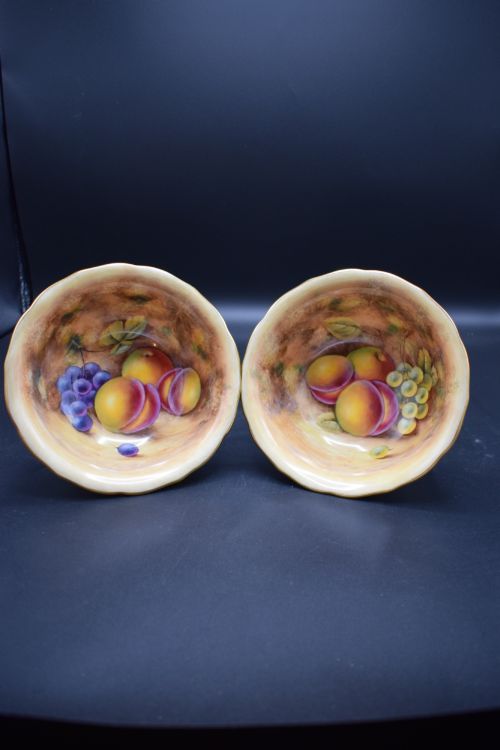
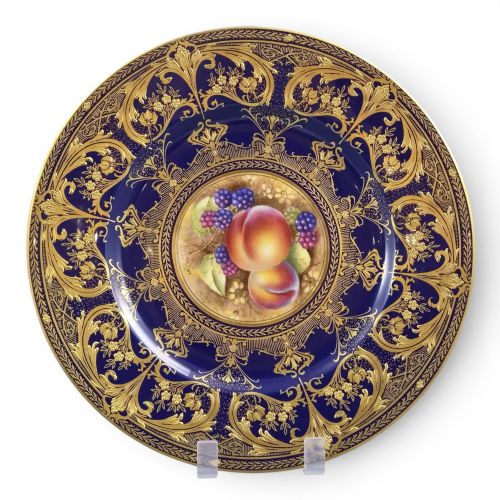
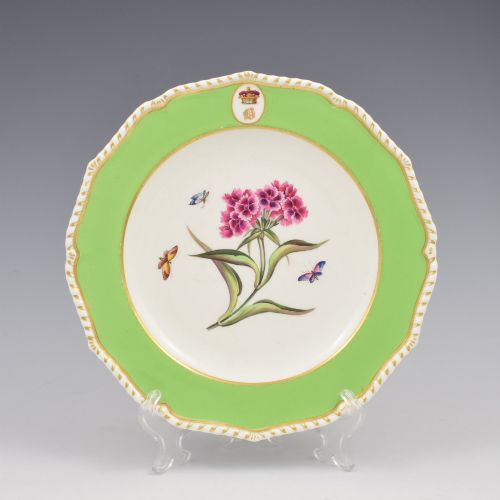
The selections on this page feature traditional English fine china alongside Victorian and Edwardian examples. Forms range from armorial botanical dessert plates to hand-painted fruit cabinet plates and sugar bowls.
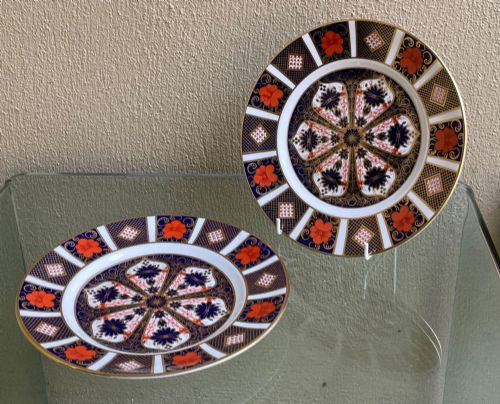
Makers such as Royal Worcester, Coalport, and Royal Crown Derby dominate the available inventory. Pieces often display intricate gilding and rich enamel palettes influenced by Imari styles.
Materials and manufacture
These pieces utilise fine bone china and porcelain as the foundational body for hand-painted decoration. Artisans applied detailed enamel pigments directly onto the ceramic surface before firing.
Gold leaf and gilt accents frequently highlight the edges and borders, including specialised rope edge designs. Master painters signed individual works, recording scenes of fruit and botanical specimens.
Fine Bone China Dish Retail Price Guide 2026
Typical asking prices for fine bone china dish among the pieces listed under this phrase on Sellingantiques today, from the lower quarter to the upper quarter. They describe what is for sale here now, not the wider market.
Tom Keeling and Brian Leaman left their names on the fruit, ensuring someone forever gets the credit for painting a peach.
Assessing quality and execution
Quality in these items rests upon the precision of the hand-painted artistry and the reputation of the studio. Pieces decorated by named artists command greater attention from discerning collectors.
The application of gold leaf and the complexity of armorial or botanical subjects determine the grade of each object. Well-preserved enamel work without fading distinguishes superior examples.
Royal Crown Derby·Royal Worcester·Bloor Derby·Coalport·Chamberlain Worcester·Minton
The Fine Bone China Dish Glossary
- Armorial
- Bearing a coat of arms or heraldic insignia. These plates were often commissioned by aristocratic families.
- Cabinet Plate
- A decorative plate intended for display rather than dining use. They frequently feature elaborate hand-painted scenes.
- Imari Style
- A decorative scheme inspired by Japanese export porcelain, utilising iron red, cobalt blue, and gold. English makers adopted this aesthetic during the nineteenth and twentieth centuries.
- Bone China
- A type of porcelain incorporating bone ash for strength and translucency. It forms the base material for fine English tableware.
- Gilt
- A thin layer of gold applied to the ceramic surface. This finish enhances the decorative borders of plates and bowls.
Fine Bone China Dish: Frequently Asked Questions
What is a fine bone china dish used for?
These items served various roles from formal dessert service to cabinet display. Botanical and armorial plates were often part of larger dining services.
Today, collectors primarily exhibit cabinet plates on walls or stands to appreciate the hand-painted artwork.
How do I date an antique plate?
Dating relies on maker marks, ceramic bodies, and painting styles. Regency pieces feature distinct armorial designs, while Victorian examples often incorporate rich gilding.
Examining the backstamps and artist signatures provides further chronological clues.
How should I care for painted porcelain?
Hand washing in lukewarm water with mild soap protects the delicate enamel and gold leaf. Abrasive cleaners damage the painted fruit and botanical details.
Display pieces should stay out of direct sunlight to prevent fading of the colours.