


Fine Art Portrait Sketch
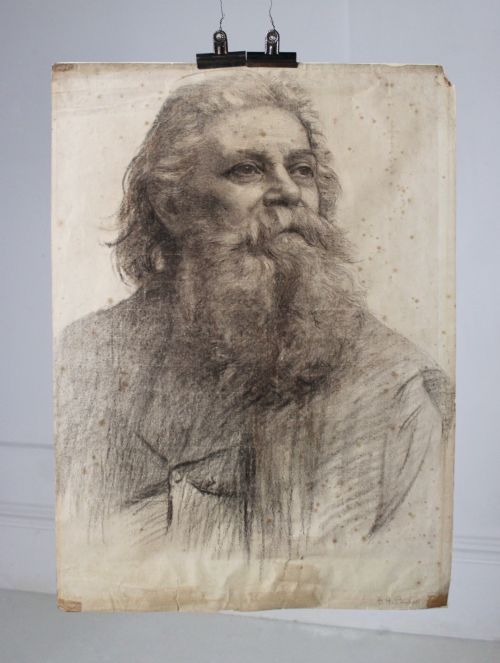
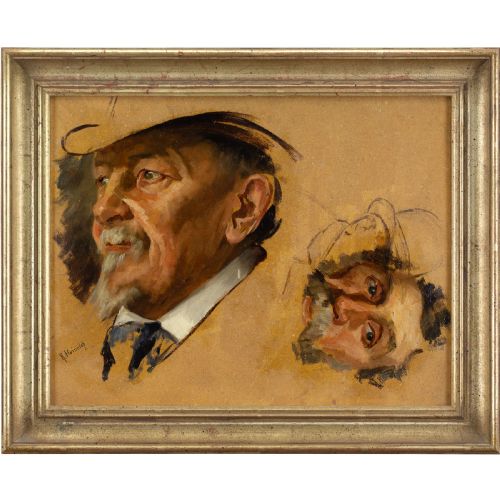
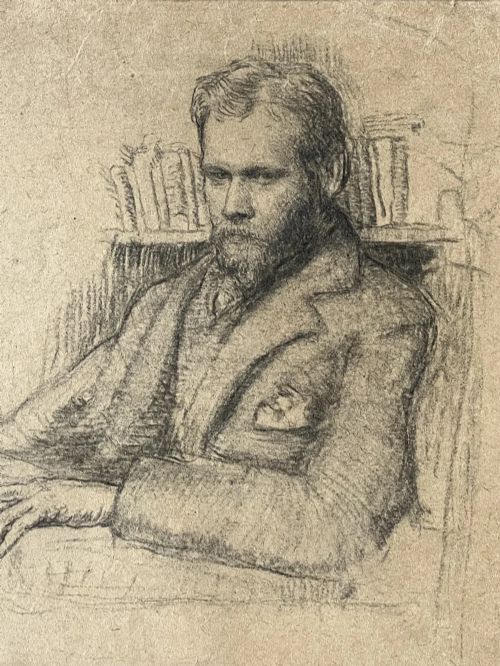
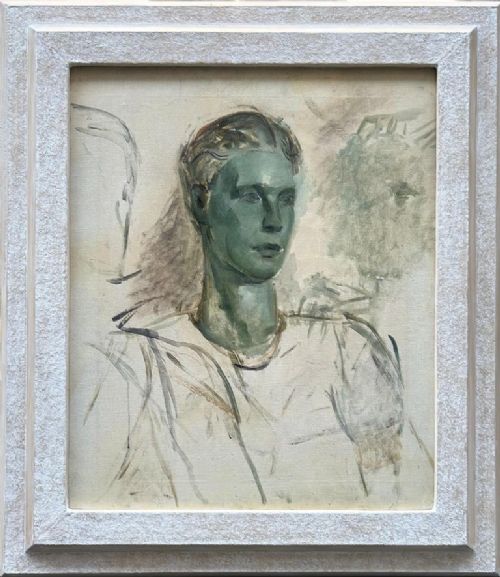
These fine art portrait sketch examples capture individual likenesses through immediate graphic marks on paper.
Fine Art Portrait Sketch
A fine art portrait sketch brings you face to face with historical figures, artists' models, and private citizens rendered through direct hand. You encounter works spanning from the seventeenth century through the mid twentieth century, encompassing academic realism, neoclassical approaches, and modern British movements.
The selection ranges from rapid preparatory drawings and pencil studies to finished exhibition works in chalk, charcoal, and watercolour. Many examples arrive framed behind glass, preserving delicate paper surfaces that date across the nineteenth and twentieth centuries.
Subjects include named historical figures, nobility, explorers, and anonymous sitters captured by both known hands and seventeenth, eighteenth, and nineteenth century schools. You will find works executed in graphite, sanguine, ink, and oil pastel alongside traditional pencil and charcoal mediums.
Materials and techniques
Draftsmen utilise paper as the primary ground, applying dry media such as graphite, charcoal, chalk, and pencil to build tone and line. These materials allow for rapid execution and subtle shading, capturing expressions with immediate physical contact.
Artists also employ wet mediums including watercolour, ink, and sanguine to introduce colour washes and rich tonal variations. Protective framing with glass guards these vulnerable paper supports from atmospheric moisture and surface damage.
Periods represented span from the 17th century through the 19th century, Edwardian era, 1930, and 1950.
Assessing quality and execution
Quality rests in the economy and confidence of the draughtsman's line, where every stroke defines bone structure, expression, and character without hesitation. Master practitioners convey psychological depth and three-dimensional form using minimal marks.
The relationship between the artist and the sitter dictates the vitality of the final sheet, distinguishing formal academic exercises from intimate, direct observations. Preservation of the paper ground and the clarity of the medium further separate routine sketches from accomplished works of art.
AUGUSTUS JOHN·Raoul Millais·Frank Moss Bennett·George Richmond·Henri Josephe Hesse
The Fine Art Portrait Sketch Glossary
- Sanguine
- A reddish-brown chalk used historically for figure drawing and portrait sketches. It provides warm flesh tones and soft modelling capabilities.
- Graphite
- A crystalline form of carbon used in pencils for drawing. It yields metallic grey lines ranging from hard light traces to soft dark strokes.
- Charcoal
- A dry drawing material made from burnt organic matter. It produces rich velvety blacks and easily smudged tones for dramatic shadow.
- Academic Realism
- A style of painting and drawing produced under the influence of European academies of art. It emphasises precise anatomical accuracy and traditional finishing techniques.
- Wash
- A fluid application of diluted ink or watercolour on paper. It creates transparent background tints and broad tonal shadows.
Fine Art Portrait Sketch: Frequently Asked Questions
What is a fine art portrait sketch?
A fine art portrait sketch is an original graphic work on paper created using media such as pencil, charcoal, chalk, ink, or watercolour. These pieces focus on capturing the likeness and personality of a specific individual.
Such works often serve as preparatory studies for larger oil paintings or stand as finished portraits in their own right. They offer direct insight into the draughtsmanship of historical artists.
How should I hang portrait drawings?
Portrait drawings on paper require protection from direct sunlight to prevent fading of graphite, chalk, and watercolour pigments. Framing behind glass with conservation-grade mounts keeps the delicate paper surface safe from environmental humidity.
Position them in rooms with stable temperatures, away from direct heat sources. Soft, indirect lighting highlights the subtle textures of charcoal and pencil without harming the material.
How do I date a portrait sketch?
Dating relies on stylistic clues, costume details, sitter identification, and the watermark or texture of the paper support. Eighteenth-century and nineteenth-century works often exhibit specific academic conventions and handwriting styles on the reverse.
Signatures, dates inscribed by the artist, and framing components provide further chronological markers. Comparative study with known works by the same hand confirms the period of execution.
What is the difference between pencil and charcoal?
Pencil drawings utilise graphite to create precise, controlled lines and subtle grey tonal gradations. They offer sharp definition and fine detail suitable for intimate character studies.
Charcoal produces deep, velvety blacks and allows for rapid blending and expressive smudging. This medium suits bold, dramatic contrasts and loose interpretations of form.