




Fine Art Panel
A fine art panel brings together centuries of painted oil, carved oak, and intricate stitchwork intended for intimate display.
Fine Art Panel
A fine art panel search unites rigid supports and textile textiles, spanning from seventeenth-century portraits to twentieth-century landscapes. Buyers encounter works executed in oil paint directly onto timber supports alongside embroidered silk and wool hangings.
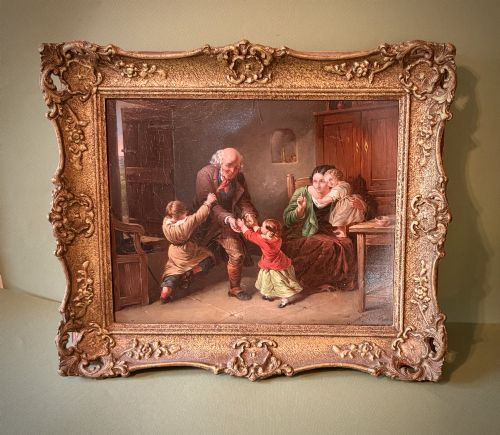
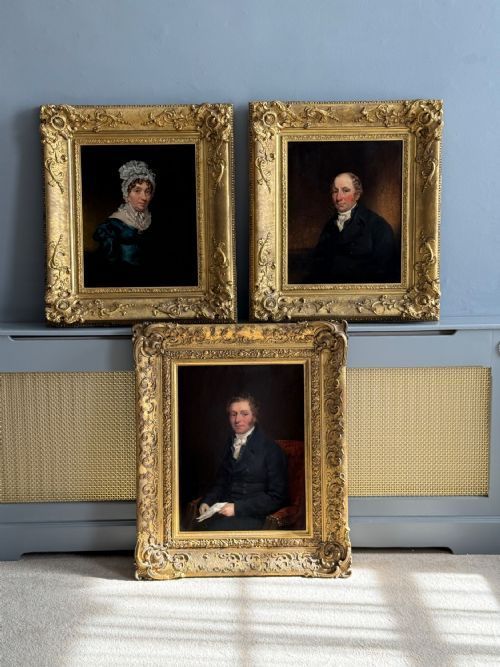
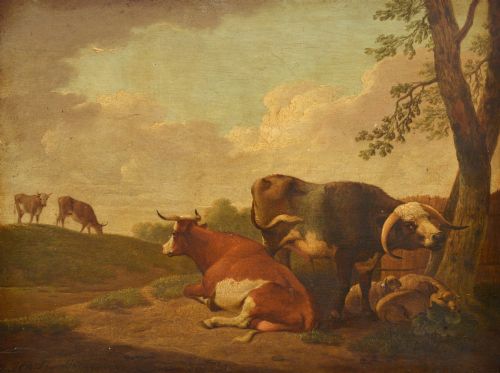
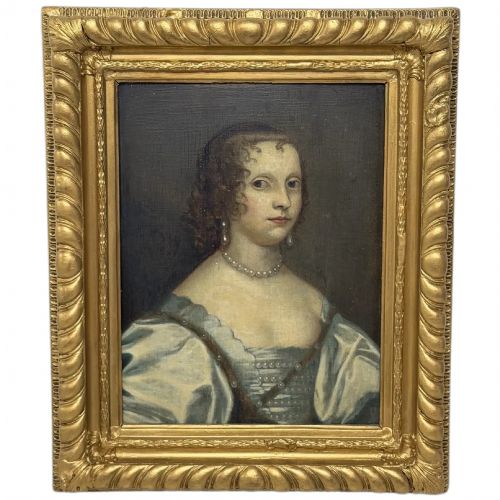
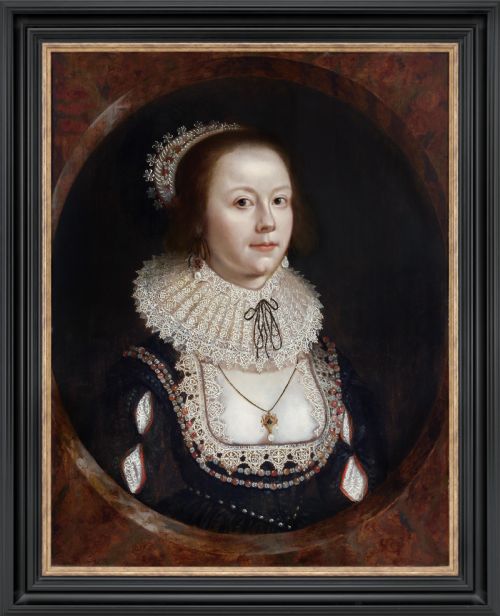
The seventeenth-century examples frequently present formal portraiture on oak boards, reflecting the enduring stability of dense wood. Later nineteenth-century items introduce broader pastoral scenes and genre subjects rendered on prepared wood or zinc panels.
Alongside rigid paintings, the grouping encompasses needlework pictures and woven verdure tapestries from Flemish and English workshops. These textile panels share the flat, wall-hanging format of their painted counterparts.
Materials and execution
Painters typically applied oil colours to seasoned oak or miscellaneous wood panels, often preparing the wooden surface with a smooth layer of gesso to hold fine detail. This rigid ground prevented the cracking associated with stretched canvas over long periods.
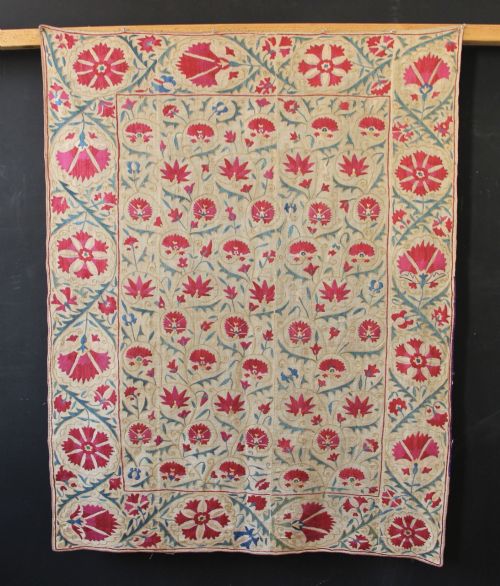
Textile panels utilised wool and silk threads hand-embroidered onto linen or cotton foundations, sometimes incorporating metallic highlights. Woven tapestries employed complex loom techniques with dyed wool and silk yarns to build pictorial scenes.
Carved wooden panels relied on chiselled relief work in oak, creating sculptural allegories and architectural decorations intended for permanent placement within panelled rooms.
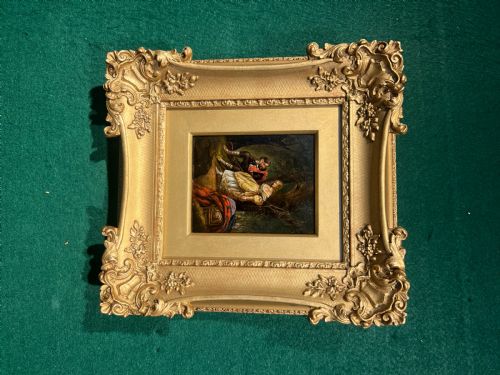
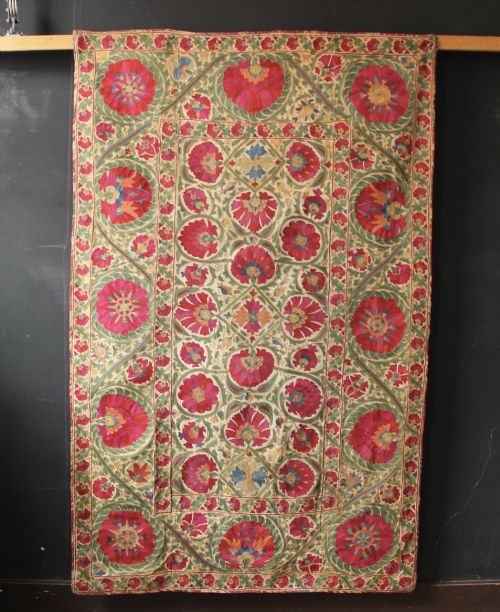
Current listings feature oil paintings on wood and zinc panels alongside silk Suzanis, wool tapestries, and carved oak architectural elements.
Markers of distinction
Quality rests upon the precision of the brushwork and the stability of the underlying support, whether timber, metal, or textile. Superior oil panels display confident handling of light and anatomical detail by trained hands.
In textile pieces, the tightness of the weave and the complexity of the dye work determine the overall refinement. Well-preserved surfaces retain their original pigment depth and structural integrity without excessive restoration.
Joseph Clover RA·Pierre Mignard·Hendrik Willem Schweickhardt·Cornelius Johnson·Benjamin Eugene Fichel·Pieter Cornelis Dommersen·Cornelis Van Poelenburgh
The Fine Art Panel Glossary
- Oak Panel
- A rigid wooden support commonly utilised by seventeenth-century portrait painters for its stability and fine grain. It provided a smooth surface that accepted minute brushwork.
- Suzani
- A type of embroidered tribal textile originating from Central Asia, worked in silk or wool on a cotton ground. These large decorative panels often featured bold floral motifs.
- Verdure Tapestry
- A woven wall hanging dominated by botanical and landscape motifs, frequently produced in Flemish workshops during the seventeenth and eighteenth centuries. They often incorporated trees, foliage, and distant animals.
- Gesso
- A plaster mixture applied to wooden panels to create a smooth, sealed surface for oil painting. It prevented the wood from absorbing the oil paint over time.
- Needlework Picture
- A framed textile panel stitched with wool or silk threads to imitate the pictorial qualities of oil paintings. Eighteenth-century examples often depicted pastoral or classical scenes.
Fine Art Panel: Frequently Asked Questions
How do I care for an oil on wood panel?
Keep the piece away from direct sunlight and sudden temperature shifts, which cause wood to expand and contract. Stable indoor conditions protect both the timber support and the oil paint layer.
Dust the surface gently with a soft, dry brush and avoid liquid cleaners or moisture. Professional conservation is recommended for any structural repairs.
What is the difference between canvas and panel paintings?
Panels provide a rigid support that resists the sagging and puncturing common to stretched fabric. This firmness allowed artists to achieve meticulous detail and longevity.
Wooden panels require careful monitoring of humidity to prevent warping. Canvas offers flexibility, whereas panels demand stable environmental conditions.
How are antique textile panels displayed safely?
Large textile pieces and needlework pictures need proper backing and framing behind protective glass to block dust and light damage. Stitching the textile to a padded support board distributes the weight evenly.
Avoid hanging tapestries or Suzanis in damp areas or bright sunlight. Rotating pieces occasionally reduces cumulative light exposure.
How can I identify a seventeenth-century panel?
Examine the reverse of the wooden support for tool marks, cradling frames, or signs of natural ageing such as splitting and oxidation. Seventeenth-century panels often utilise quarter-sawn oak with distinct grain patterns.
Stylistic cues in dress, hair, and framing techniques also help date the portrait or landscape. Comparing works to known studio pieces aids attribution.