



Fine Diamond Bracelet
These pieces are fine antique diamond bracelet examples, offering lasting craftsmanship and brilliant stones that collectors prize for everyday wear.
Fine Diamond Bracelet
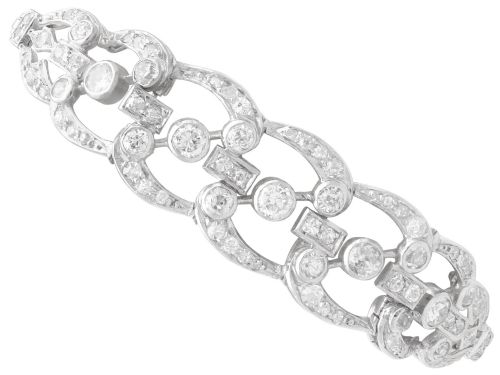
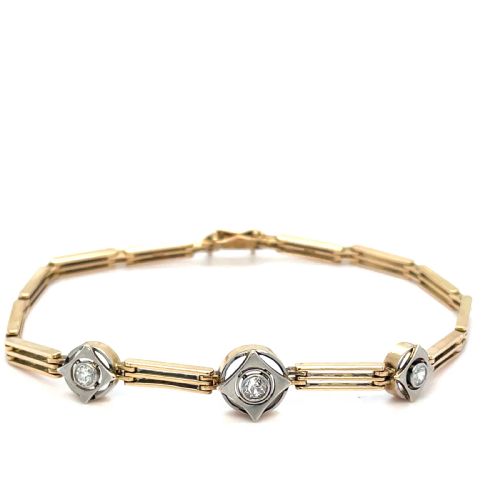
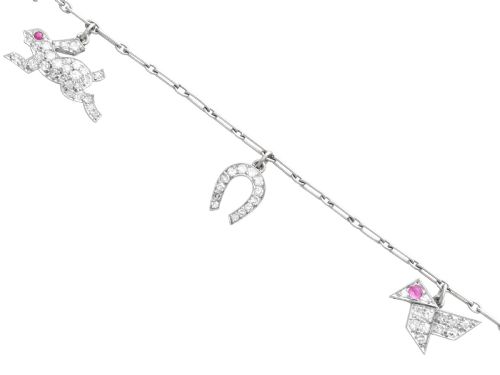
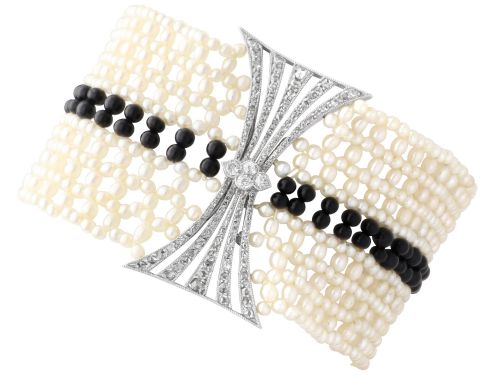
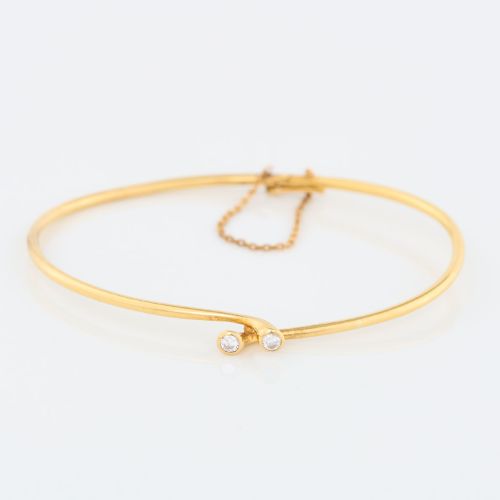
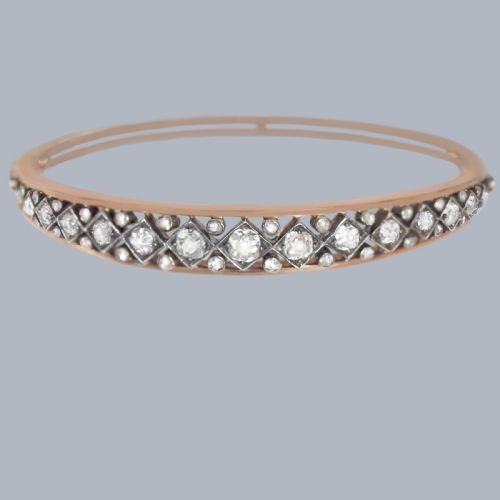
A fine antique diamond bracelet brings together historic periods ranging from Victorian and Edwardian to Art Deco and Mid-Century Fine Jewellery. These pieces appear as flexible line bracelets or rigid bangles, incorporating precious gemstones alongside diamonds.
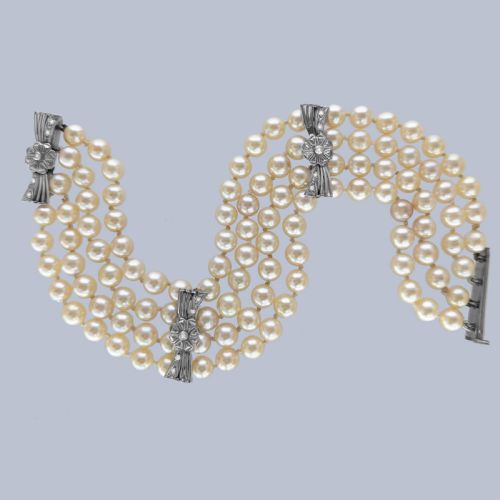
Buyers encountering a fine antique diamond bracelet on this page will most commonly find Edwardian and Victorian examples, alongside Art Deco designs from the 1920s and 1930s. The forms span simple gold mountings to platinum settings rich with emeralds, rubies, or pearls.
Materials and construction
Goldsmiths utilised a combination of platinum, 18ct gold, 15ct gold, and silver to mount the stones securely. Platinum gained favour in Edwardian and Art Deco workshops for its strength and delicate appearance, while gold and silver combinations dominate Victorian pieces.
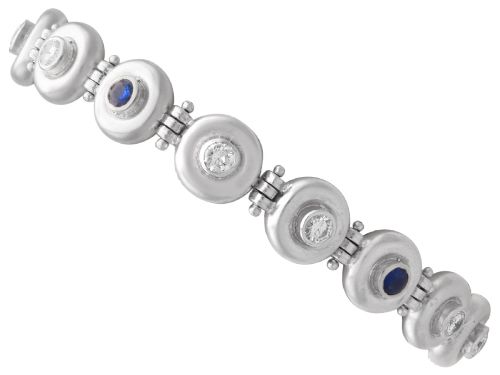
Stones are set using historic methods such as collet setting or delicate claw work to maximise light entry. Pearls and coloured gemstones like sapphires, rubies, and emeralds often accompany the diamonds within these handcrafted mounts.
Fine Diamond Bracelet Retail Price Guide 2026
Typical asking prices for fine diamond bracelet among the pieces listed under this phrase on Sellingantiques today, from the lower quarter to the upper quarter. They describe what is for sale here now, not the wider market.
Listings feature periods from the Victorian era through the Edwardian period, Art Deco, and Mid-Century Fine Jewellery, utilising platinum, silver, and various gold purities.
Evaluating quality and design
Quality rests in the precision of the metalwork and the integration of the stones within the design. Superior pieces demonstrate meticulous hand-piercing in platinum or gold, ensuring the structure remains robust yet graceful.
The choice and matching of stones further separate examples, where well-proportioned old mine cut or brilliant cut diamonds work in harmony with secondary gems like natural saltwater pearls or vivid emeralds.
The Fine Diamond Bracelet Glossary
- Bangle
- A rigid bracelet that slips over the hand or fastens with a hinge and clasp. These often feature secure safety chains on antique examples.
- Collet setting
- A method where a metal collar encircles the gemstone, holding it securely against the backing. This technique typifies many traditional fine jewellery pieces.
- Old mine cut
- An early diamond cut characterised by a cushion shape, a high crown, and a small table. This cut creates a distinctive soft sparkle under candlelight.
- Platinum
- A dense, strong, and ductile white metal utilised extensively in Edwardian and Art Deco jewellery for intricate openwork settings.
- Line bracelet
- A flexible bracelet featuring a continuous symmetrical line of gemstones. These are frequently mounted in platinum or gold.
Fine Diamond Bracelet: Frequently Asked Questions
How do I clean an antique diamond bracelet?
Use warm soapy water and a very soft brush to remove dirt from beneath the stones. Avoid harsh chemical dips that can damage historic metalwork or softer gems like pearls.
Dry the piece thoroughly with a lint-free cloth before storing it in a lined box. Periodic checks by a specialist ensure the settings remain secure.
Can I wear an antique bracelet daily?
Many sturdy platinum and gold pieces suit regular wear provided you handle them with care. Consider removing them during physical tasks or sports to protect the delicate mountings.
Older clasps and safety chains benefit from regular inspection by a jeweller to prevent accidental loss. Storing them separately prevents scratching against other items.
How do I date an antique bracelet?
Examine the metal choices, stone cuts, and overall artistic style to determine the era. Edwardian pieces often display platinum lacework, while Victorian examples frequently combine gold and silver.
Hallmarks stamped on the metal can also provide specific clues regarding the assay office and year of manufacture. Comparing the construction methods to known period styles confirms the timeline.
What is the difference between a bangle and a bracelet?
A bangle is a rigid circular ornament that maintains its shape independently, often opening via a hinge. A bracelet is typically flexible, moving fluidly around the wrist.
Both forms accommodate diamonds and coloured stones across different historic periods. Selection depends entirely on personal comfort and aesthetic preference.