

Figured Wood Furniture
Figured wood furniture brings together centuries of cabinet-making where natural timber grain creates striking patterns across desks, chests, and tables.
Figured Wood Furniture
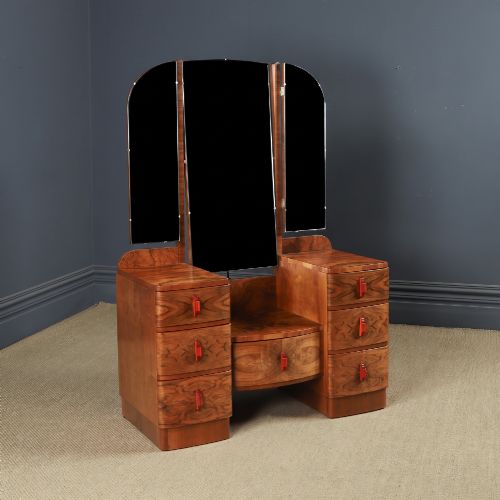
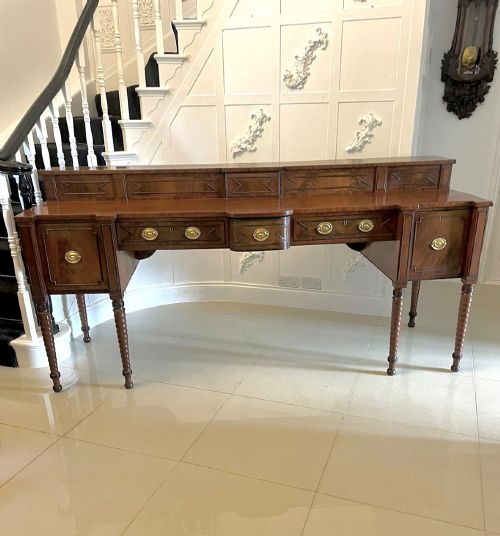
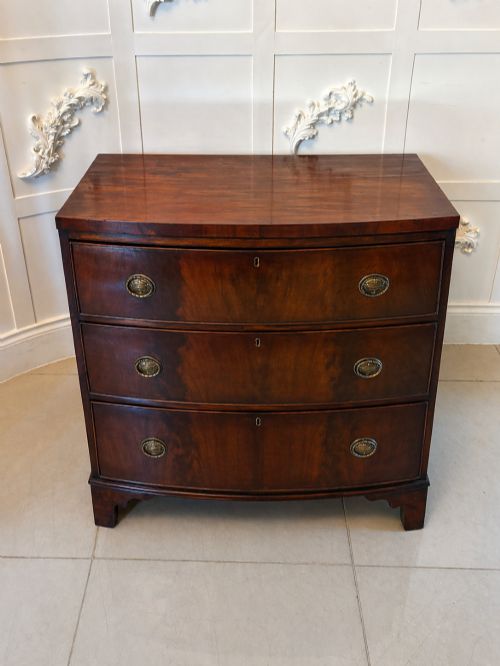
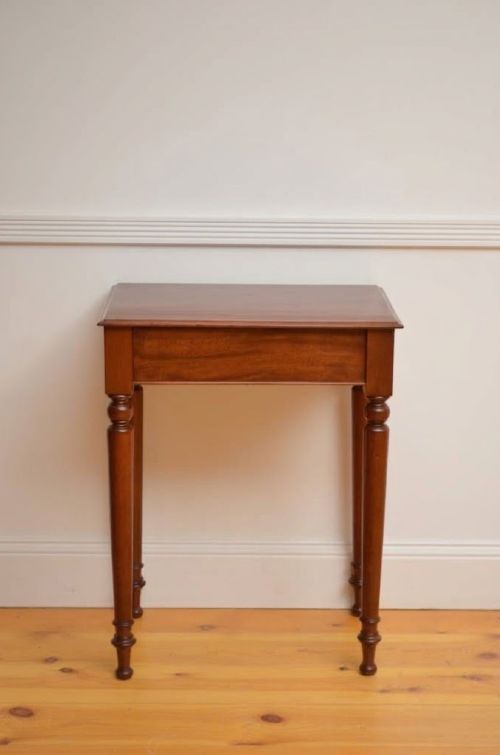
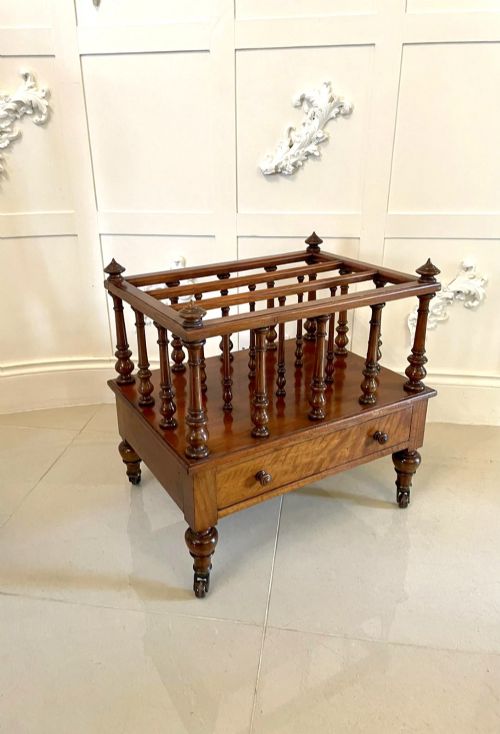
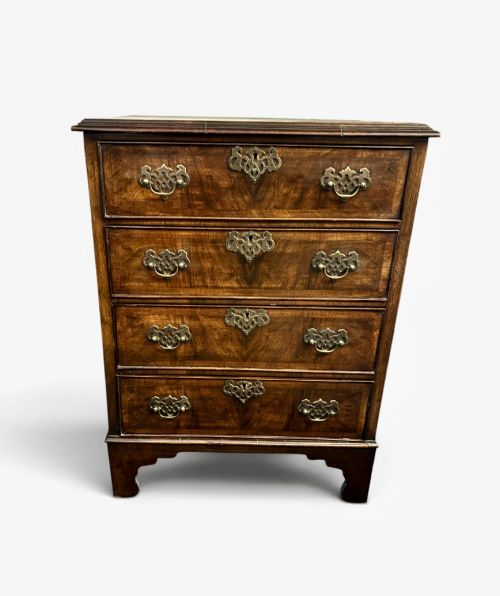
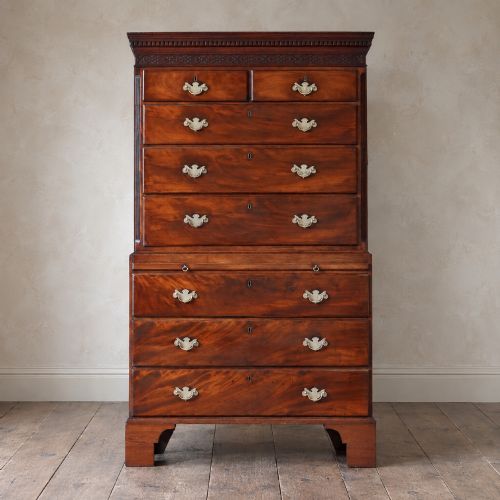
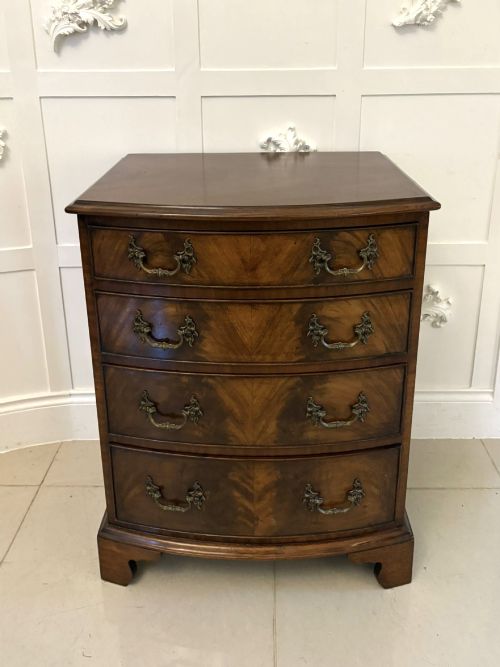
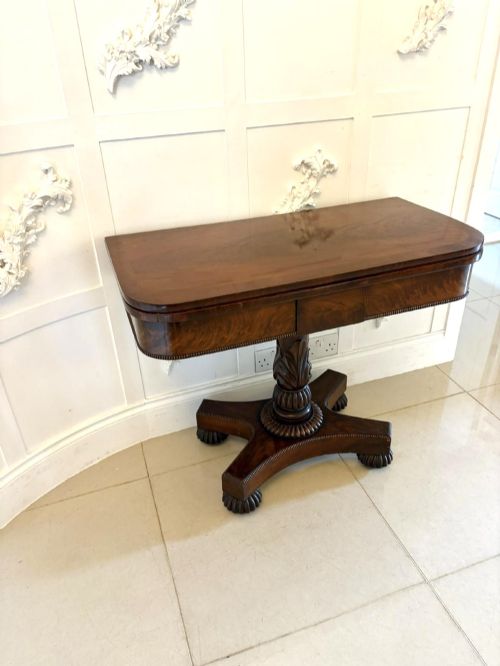
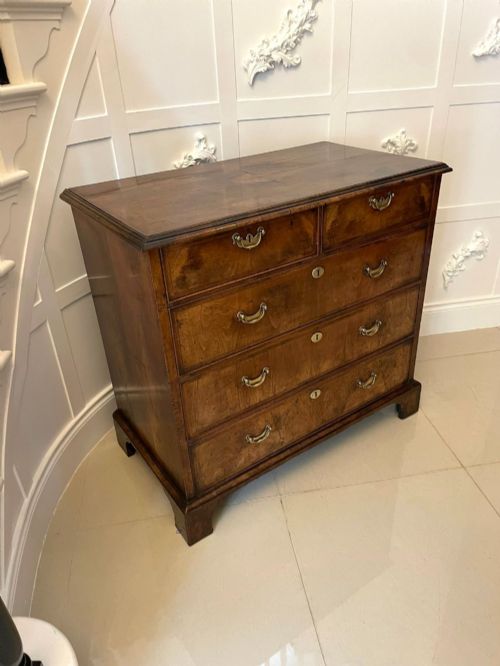
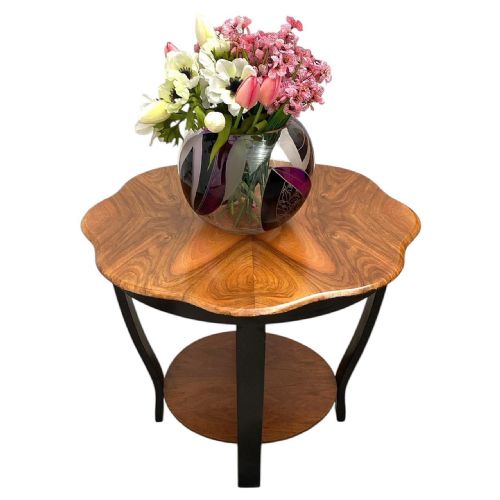
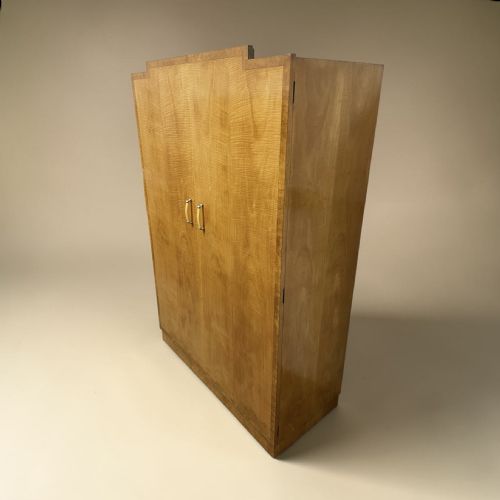
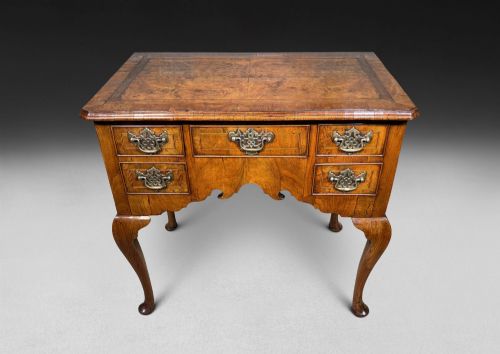
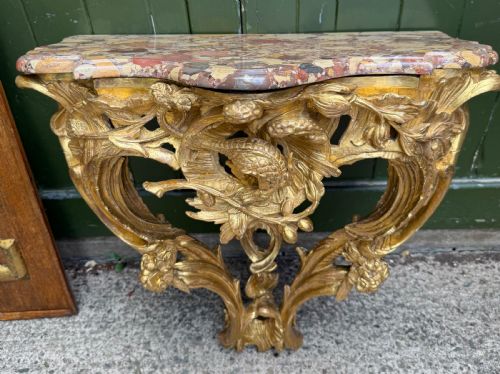
Figured wood furniture covers practical household items like chests of drawers, wardrobes, desks, and console tables spanning from the eighteenth century through the Art Deco period. Buyers seeking figured wood furniture encounter walnut and mahogany pieces most frequently, alongside elm, satinwood, and birch variations.
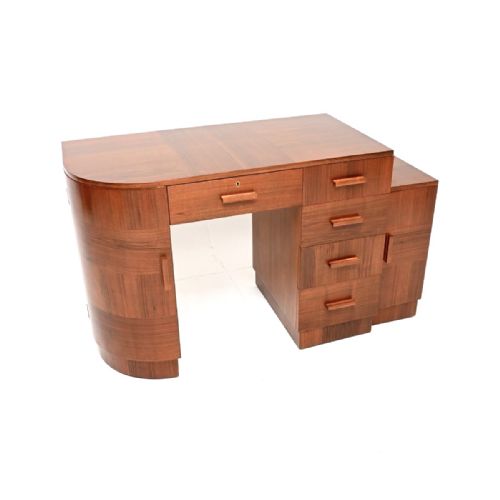
Earlier examples include George III and Georgian mahogany chests alongside George I walnut pieces, while later centuries bring Victorian and Edwardian iterations. Art Deco desks, coffee tables, and wardrobes from the nineteen-thirties demonstrate the continued use of striking wood grain patterns in twentieth-century design.
Materials and construction
Cabinet-makers utilise timber veneers cut from burrs, roots, and branching points of walnut, mahogany, and elm to display complex natural grain patterns across flat surfaces. These distinctive veneers are applied over secondary woods on carcases for chests, wardrobes, and tables.
Surfaces often feature brass handles, glass elements, or carved wooden details that complement the central figured timber panels. French polishing and traditional joinery methods support the structural integrity of these items.
Figured Wood Furniture Retail Price Guide 2026
Typical asking prices for figured wood furniture among the pieces listed under this phrase on Sellingantiques today, from the lower quarter to the upper quarter. They describe what is for sale here now, not the wider market.
Some nineteenth-century furniture serves dual purposes, transforming from ceremonial beds into oversized coffee tables for modern living spaces.
Evaluating the pieces
Quality rests in the symmetry and visual impact of the wood grain across the front drawers or table tops, where skilled makers matched veneer leaves for balance. The crispness of carved details, the retention of original brass hardware, and the harmony of secondary timbers define superior execution.
Proportion and architectural balance distinguish finer examples, particularly in larger pieces like wardrobes, sideboards, and chest on chest structures. The continuity of grain patterns across opening doors and drawer banks shows deliberate planning by the maker.
Druce and Co·Betty Joel·Bowman Brothers·Heal's·Whytock & Reid·Maurice Adams·Holland & Sons
The Figured Wood Furniture Glossary
- Figured wood
- Timber displaying irregular growth patterns such as curls, swirls, or flecks that create decorative optical effects on furniture surfaces. This grain occurs naturally at points where branches meet the main trunk.
- Burr walnut
- A specialised wood veneer harvested from tree growths containing clustered bud formations. It produces dense, swirling patterns highly prized in cabinet-making.
- Veneer
- Thin slices of decorative wood applied to a structurally stable base timber. This technique allows makers to display costly figured grains efficiently.
- Brushing slide
- A pull-out shelf integrated into the upper section of a chest of drawers or desk. It provided a clean surface for writing or sorting items.
- Console table
- A wall-mounted or freestanding table supported by legs or brackets, designed for narrow spaces such as hallways. These often feature decorative marble or figured wooden tops.
Figured Wood Furniture: Frequently Asked Questions
How do I care for figured wood furniture?
Keep wooden pieces away from direct sunlight and steady heat sources to prevent the underlying veneers from drying out or lifting over time.
Apply natural beeswax periodically to maintain the lustre of the polish and protect the timber surface from moisture.
What periods do these pieces come from?
The selection spans from early eighteenth-century Georgian and George I designs through Victorian and Edwardian eras up to nineteen-thirties Art Deco items.
Different decades favour distinct silhouettes, moving from formal mahogany case pieces to geometric walnut tables and cabinets.
Are these items suitable for daily use?
Most chests, desks, and tables function well in modern interiors provided they receive careful handling and protection from excessive liquid spills.
Drawers and doors operate on traditional wooden runners that benefit from occasional cleaning and careful loading.
How do I identify burr walnut from standard walnut?
Burr walnut displays tight, swirling circular patterns created by clustered knots and dormant buds in the original tree growth.
Standard walnut shows straighter, more uniform grain lines without the dense optical movement characteristic of burr sections.