
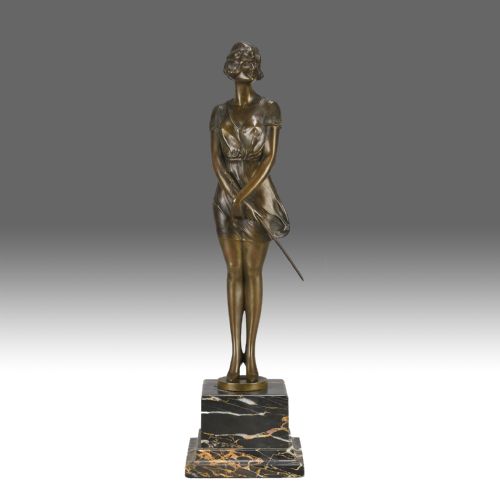

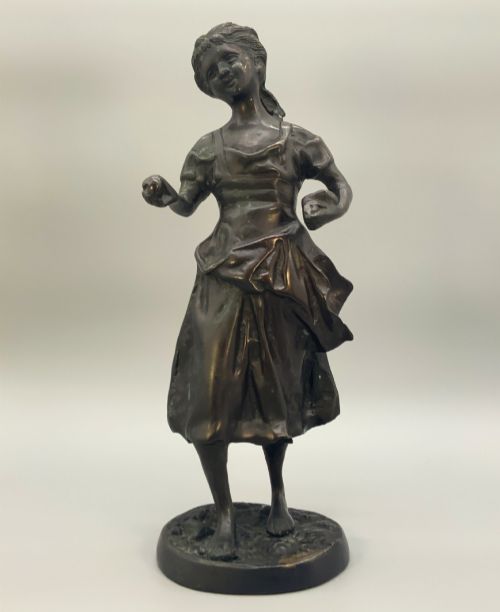
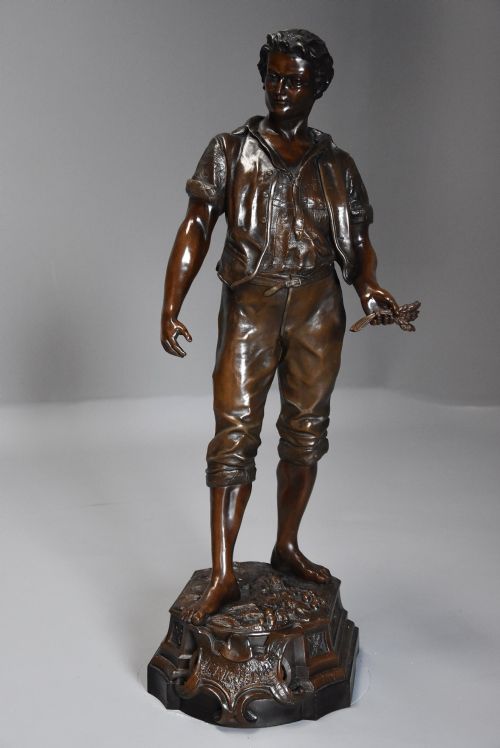
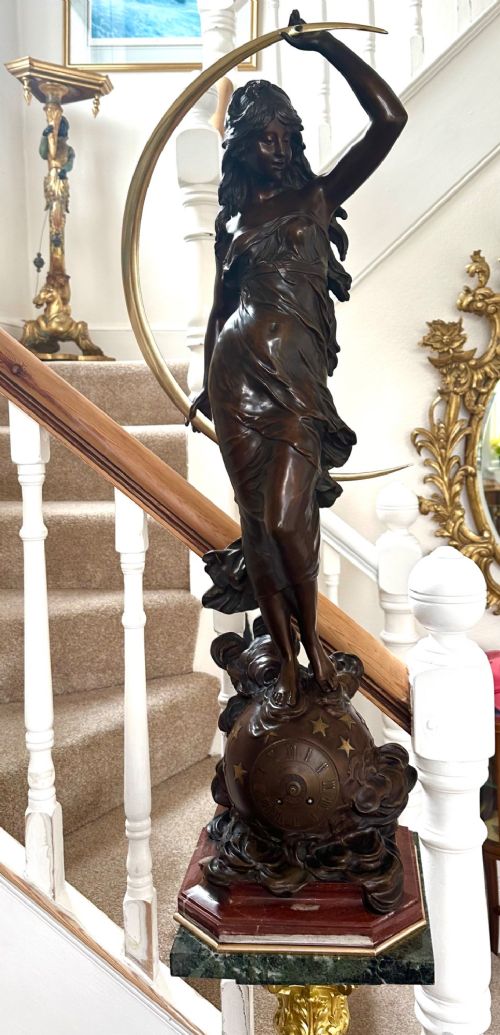



Figurative Bronze Statue
A figurative bronze statue captures the human form in metal, offering collectors tactile studies of movement, myth, and portraiture from the nineteenth and early twentieth centuries.
Figurative Bronze Statue
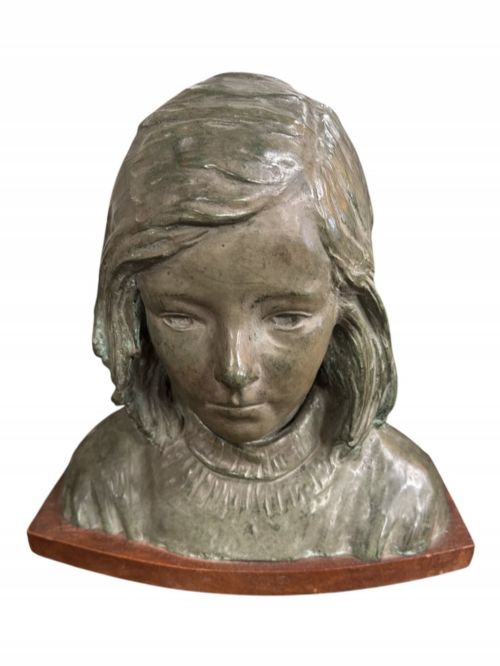
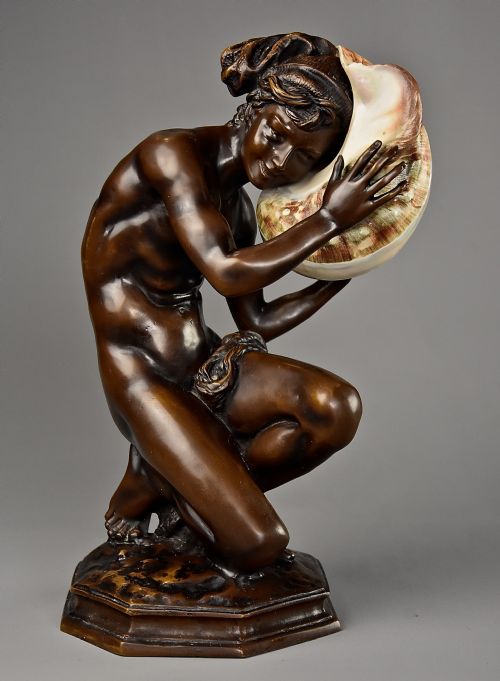
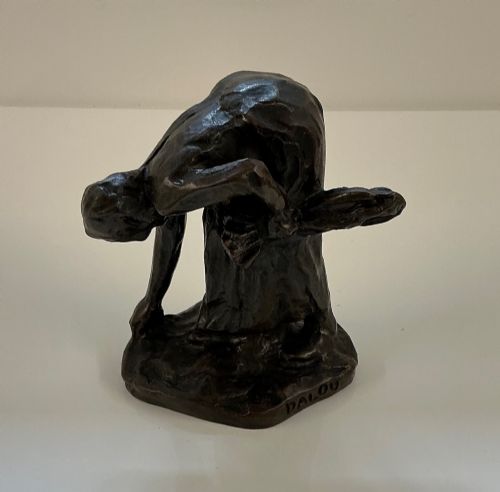
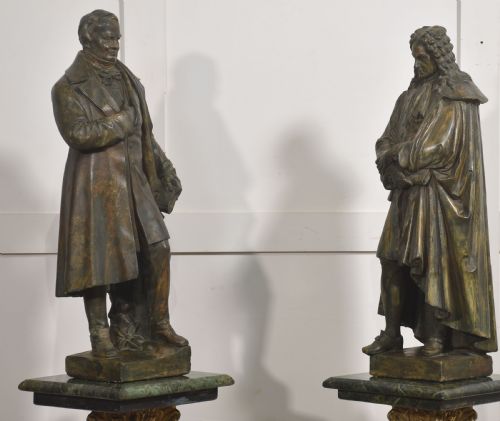
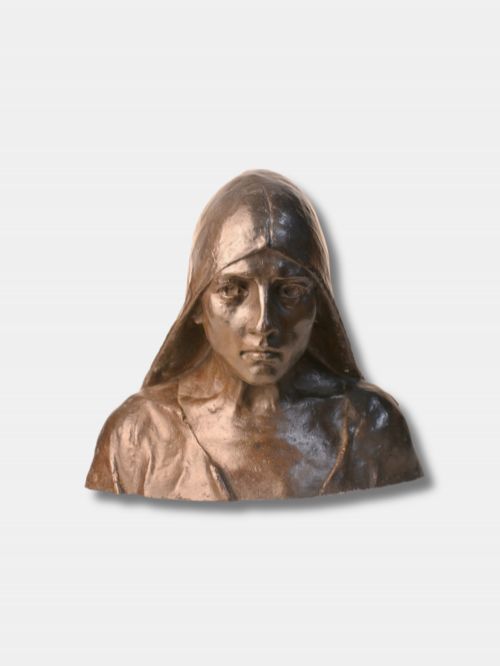
A figurative bronze statue encompasses freestanding sculptures, portrait busts, and small desk studies depicting human subjects. The examples found here range from nineteenth-century French realists and neoclassical groups to Art Nouveau dancers and Art Deco athletic studies.
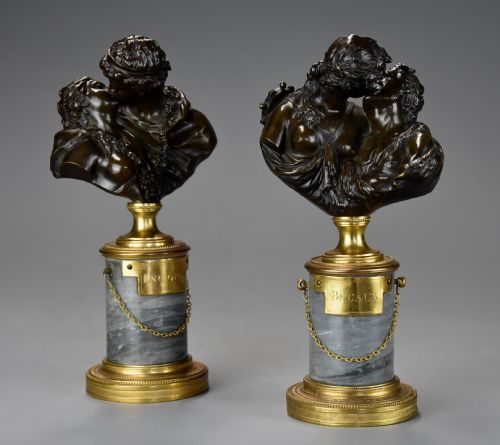
Buyers will encounter both full-length figures and partial busts, cast either as solid metal or mounted upon marble bases. Subjects span classical mythology, allegorical figures, historical laborers, and stylised modern dancers.
French foundries dominate the selection, producing works designed for domestic display on mantelpieces, tables, and cabinets. These pieces reflect the sculptural ambitions of European salons and commercial bronze editors during the Victorian and Edwardian eras.
Materials and casting methods
Foundries typically utilised the lost-wax method or sand casting to produce a figurative bronze statue, allowing for intricate detail in hair, drapery, and musculature. Artisans then applied chemical patination to the raw metal surface to achieve tones ranging from deep chocolate brown to metallic gilt and cold-painted colours.
Alternative mediums appear alongside true metal casts, including bronzed spelter, terracotta, plaster, and patinated chalk. These substitute materials were cast or moulded to imitate the weight and finish of bronze for a broader domestic market.
Some nineteenth-century foundry workers hid personal signatures inside the hollow cores of statues, leaving secret greetings for future restorers.
Distinctions in craftsmanship
The precision of the chasing work separates superior casts from routine production pieces. Master artisans hand-finished the metal after removal from the mould, sharpening feather edges, smoothing skin textures, and defining facial expressions.
The depth and subtlety of the patination dictate visual success. High-grade surfaces display rich tonal variation and preservation, whereas lesser examples present flat, uniform coloration that obscures the underlying modelled form.
Bruno Zach·Josef Lorenzl·August Moreau·Julien Lorieux·Friedrich Goldscheider·Emmanuel Villanis·Ferdinand Preiss·Franz Bergman
The Figurative Bronze Statue Glossary
- Patina
- The surface coloration and chemical sheen developed naturally over time or applied deliberately by the foundry. It protects the metal and defines the visual mood of the sculpture.
- Spelter
- An inexpensive zinc-based alloy frequently used as a substitute for true bronze. It is lighter in weight and softer to the touch.
- Lost-wax casting
- A traditional technique where a wax model is melted out of a mould to create a cavity for molten bronze. This allows for exceptional fidelity to the original sculptor's model.
- Cold-painted bronze
- A method where enamel paints are applied to a bronze casting without subsequent firing. Franz Bergman workshops are particularly noted for this technique.
Figurative Bronze Statue: Frequently Asked Questions
How can I distinguish bronze from spelter?
True bronze is heavy, resonant when tapped gently, and shows a cool metal surface beneath any wear to the patina. Spelter is lighter, softer, and often reveals a grey or white metal base if the surface coating chips.
Examining the underside or areas of high friction usually reveals the true nature of the alloy.
Where were most of these statues made?
The majority of nineteenth and early twentieth-century sculptures originate from French foundries, particularly in Paris. Viennese workshops also contributed specialised cold-painted works.
Foundry marks and stamps on the base often indicate the exact production house.
How do I care for a patinated surface?
Dust the sculpture regularly with a soft, dry cloth to prevent particulate accumulation. Avoid chemical polishes or water, which can strip or disrupt the historical patination.
Applying a light microcrystalline wax periodically helps protect the metal from atmospheric moisture.
What distinguishes Art Nouveau from Art Deco figures?
Art Nouveau figures, popular around eighteen-ninety to nineteen-ten, feature flowing organic lines, draped fabrics, and naturalistic motifs inspired by plant forms. Art Deco pieces from the nineteen-twenties and thirties favor geometric precision, athletic movement, and stylized modern silhouettes.
Clothing styles and facial geometry provide immediate clues to the prevailing design movement.