




Figural Porcelain Pot
A figural porcelain pot brings character to a room through sculpted form and painted detail, offering both utility and display appeal.
Figural Porcelain Pot
When you search for a figural porcelain pot, you encounter items shaped into human figures, animals or specific sculpted characters that double as functional vessels. The listings span a broad geographic and chronological spread, taking in Chinese Qing Dynasty pieces alongside European works.
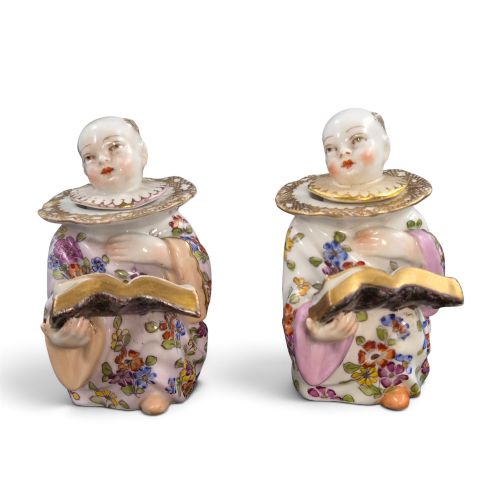
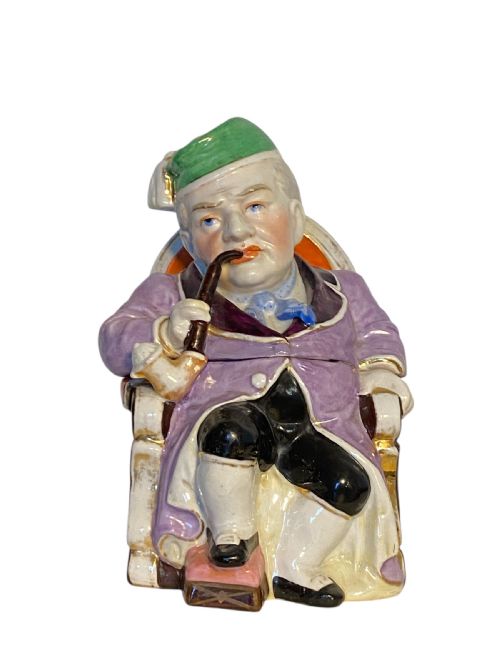
The forms on this page include inkwells modelled as singing boys, tobacco jars, brush pots, lidded jars and powder bowls from the Art Deco period. European factories and Asian workshops alike produced these sculptural containers, employing both domestic and export designs.
Victorian Continental and British interpretations sit alongside Meiji period Japanese Satsuma wares and Chinese export ceramics. Buyers will find that the figural porcelain pot takes many functional guises, from scholar's brush pots to French powder boxes.
How they were made
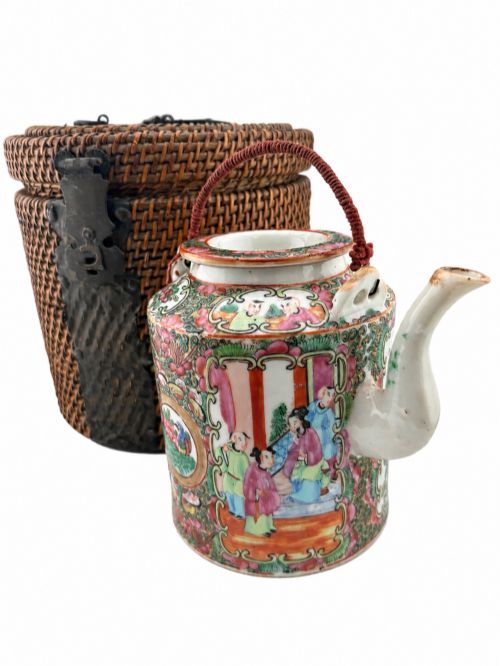
Certain pieces incorporate additional materials such as wicker cases for travelling teapots or mounted metal hardware on lidded jars and inkwells. The combination of ceramic potting with detailed enamel painting defines the technical standard across these items.
Figural Porcelain Pot Retail Price Guide 2026
Typical asking prices for figural porcelain pot among the pieces listed under this phrase on Sellingantiques today, from the lower quarter to the upper quarter. They describe what is for sale here now, not the wider market.
Materials recorded across the stock include porcelain, earthenware, enamel, gold leaf, gilt, wicker, and metal.
What varies in quality
The standard of a figural porcelain pot rests on the crispness of the modelled form and the precision of the hand-painted enamel work. Smoother glaze application and more expressive detailing on faces and garments elevate certain examples above standard production pieces.
Pces with intact original components, such as associated wicker protective housing or preserved gilt highlights, demonstrate higher preservation. The subtlety of the overglaze enamel palette and the confidence of the brushwork distinguish the finest workshops from routine manufacturers.
Edmé Samson·Limoges
The Figural Porcelain Pot Glossary
- Famille Rose
- A palette of opaque enamel colours introduced in Chinese ceramics during the Qing dynasty, dominated by pink and rose shades. It allows for subtle tonal shading in figurative scenes.
- Overglaze Enamel
- Mineral colours painted over a fired and glazed porcelain surface before undergoing a second, lower-temperature firing. This technique produces raised, tactile decoration.
- Imari
- A style of Japanese export porcelain featuring underglaze blue combined with iron red, gilt and additional enamel colours. The designs typically display dense brocade patterns and natural motifs.
- Bitong
- A cylindrical Chinese brush pot designed to hold scholar's writing brushes. These are carved or painted with narrative scenes and scholarly figures.
- Satsuma
- Japanese earthenware or porcelain decorated with intricate enamel and gilt designs over a crackled ivory glaze. It gained great popularity for export during the Meiji period.
Figural Porcelain Pot: Frequently Asked Questions
What were figural porcelain pots used for?
These vessels served various domestic and scholarly functions, ranging from holding tobacco and writing brushes to containing cosmetic powder or ink.
Many functioned as desk accessories or dressing table items where decorative sculpture met practical storage needs.
How do I date a figural porcelain pot?
Dating relies on stylistic markers, such as the geometric lines of Art Deco pieces compared to the intricate polychrome enamel of Qing Dynasty exports.
Material composition, potting techniques and factory marks help narrow down the period of manufacture.
Are these pots fragile to live with?
Porcelain requires careful placement away from high-traffic edges, but standard domestic display poses no issue for stable pieces.
Handling should be mindful of protruding sculpted limbs or delicate gilt and enamel surfaces.
How do European and Asian styles differ?
European pieces often reflect Victorian or Art Deco tastes through figural inkwells and powder bowls produced by factories like Limoges.
Asian works lean towards traditional scholar's objects, Satsuma earthenware and Famille Rose export porcelain with narrative scenes.