





Figural Ceramic Dish
These figural ceramic dish examples bring sculptural form to the table, offering a glimpse into centuries of modelled porcelain and earthenware.
Figural Ceramic Dish
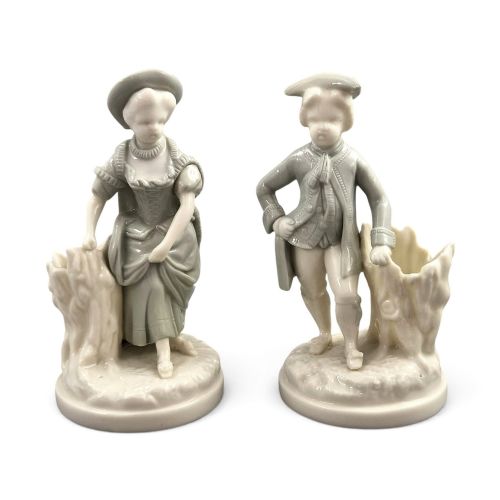
A figural ceramic dish combines practical vessel forms with modelled human, animal, or mythological subjects, creating functional items that double as sculptural ornaments. You will encounter forms ranging from salt cellars and powder boxes to large centrepieces and bowls, drawn from periods such as the Victorian era, the Art Deco years, and earlier centuries.
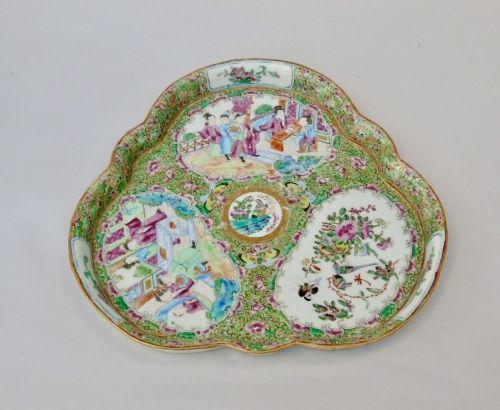
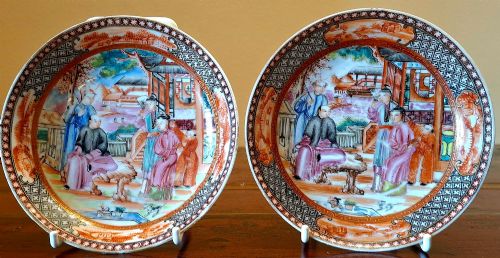
The selection here spans diverse global traditions, including European porcelain factories, Chinese export wares, and Persian pottery. These pieces served varied domestic purposes, from holding condiments at a formal dining table to housing cosmetics on a dressing table.
How They Were Made
The makers utilised ceramic bodies such as porcelain, earthenware, and bisque, shaping them through moulding and hand-forming techniques. Glazes, enamel colours, and cobalt blue pigments were then applied to the surfaces, often complemented by hand-painted details or gold leaf highlights.
Firing methods varied according to the medium, from low-temperature slip-painted pottery to high-fired oriental porcelain and European hard-paste bodies. Many items required multiple kiln firings to set the intricate underglaze pigments and overglaze enamel decoration.
Figural Ceramic Dish Retail Price Guide 2026
Typical asking prices for figural ceramic dish among the pieces listed under this phrase on Sellingantiques today, from the lower quarter to the upper quarter. They describe what is for sale here now, not the wider market.
The listings span multiple centuries, incorporating earthenware, bisque porcelain, and glazed ceramic forms from diverse global traditions.
What Varies in Quality
The sophistication of the modelling largely dictates the distinction between standard vessels and exceptional works, particularly in the rendering of facial expressions and anatomical details on figures. Crispness in the moulding and precision in the hand-painting separate standard production items from masterworks.
The preservation of delicate overglaze enamels, gilt highlights, and fine porcelain bodies heavily influences the standing of a piece. Original components, such as matched pairs or integrated figural supports, maintain the integrity of the design.
Royal Worcester·KPM Berlin·Kuznetsov·Royal Dux·Minton·Limoges
The Figural Ceramic Dish Glossary
- Bisque porcelain
- Unglazed porcelain fired once to create a matte, porous surface resembling marble. This finish is frequently chosen for figural groups to accentuate sculptural detail.
- Famille rose
- A palette of opaque enamel colours dominated by pink or rose, introduced to Chinese porcelain in the eighteenth century. It allowed for subtle tonal gradations in floral and figural scenes.
- Celadon
- A pale green jade-like glaze originating in East Asia, produced by iron oxide fired in a reduction kiln. The subtle tint pools pleasingly in carved or moulded recesses.
- Imari
- A style of Japanese export porcelain featuring deep cobalt blue, iron red, and gold highlights. The decoration is typically dense and symmetrical.
- Slip
- A liquid mixture of clay and water applied to pottery for decoration or surface smoothing before firing. It can be trailed or painted to create raised patterns.
Figural Ceramic Dish: Frequently Asked Questions
How were figural salts used?
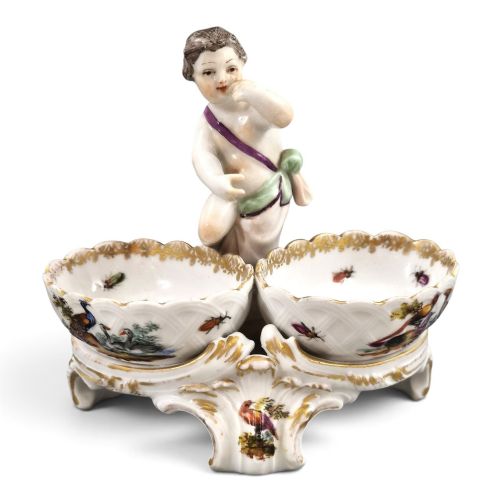
Figural salt cellars were placed on dining tables to hold fine salt close to guests during formal meals. Their sculptural bases often depicted animals, shells, or human figures supporting the small bowl.
Over time, dining fashions changed and individual salts gave way to larger table settings. Today, these small vessels serve well as decorative accents or for holding small items.
What is an art deco powder bowl?
Art Deco powder bowls are lidded ceramic containers designed to hold cosmetic powder on a dressing table. They frequently feature stylised female figures or geometric motifs characteristic of the 1930s.
These pieces combine practical storage with decorative sculpture, reflecting the design priorities of the period. Collectors prize them for their distinctive moulding and period glazes.
How do I identify a centrepiece?
Centrepieces are large, decorative vessels designed to occupy the middle of a dining table or sideboard. They often take the form of substantial bowls, baskets, or shell motifs supported by figures.
Because of their scale and elaborate modelling, they act as focal points in a room. Their construction requires sturdy ceramic bodies to support the weight of the elevated basin.
What distinguishes export porcelain?
Export porcelain refers to ceramic wares manufactured in Asia specifically for trade and sale to European and Western markets. These items often blend traditional Eastern techniques with decorative motifs suited to foreign tastes.
Such pieces reveal much about historical trade routes and cultural exchange. They remain distinct through their specific combination of clay bodies, glazes, and transnational commission histories.