




Figural Bronze Casting
Figural bronze casting brings sculptural human and animal forms into everyday interiors, offering tactile history through enduring metalwork.
Figural Bronze Casting
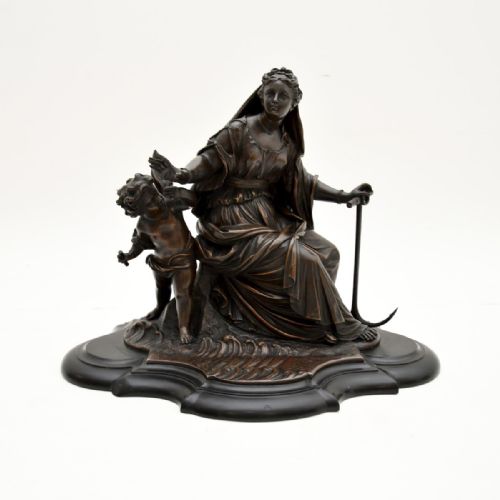
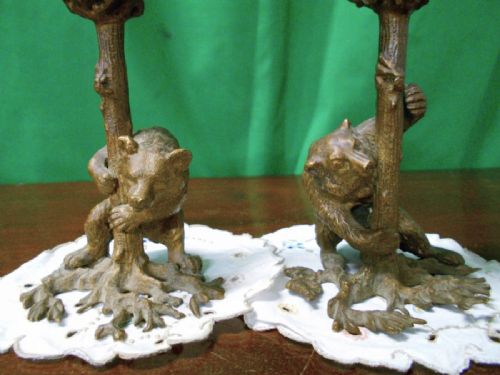
When you search for figural bronze casting, you encounter sculptural works that integrate human and animal subjects into functional objects or standalone display pieces. The items on this page span table lamps, candlesticks, sculptures, and inkwells, reflecting domestic utility combined with artistic ambition.
The selections predominantly date from the nineteenth century, encompassing distinct design movements such as Art Nouveau, Art Deco, and Neoclassical styles. French and Italian workshops feature prominently alongside other European and international origins.
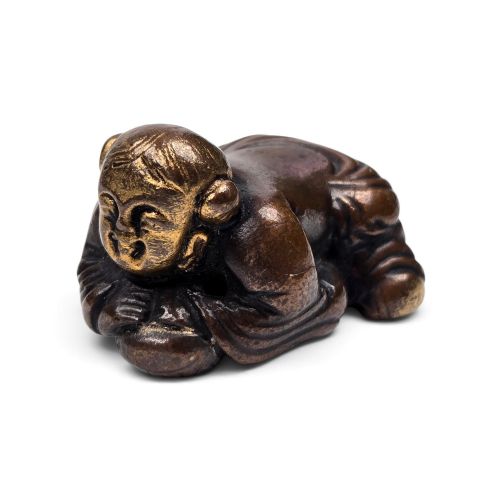
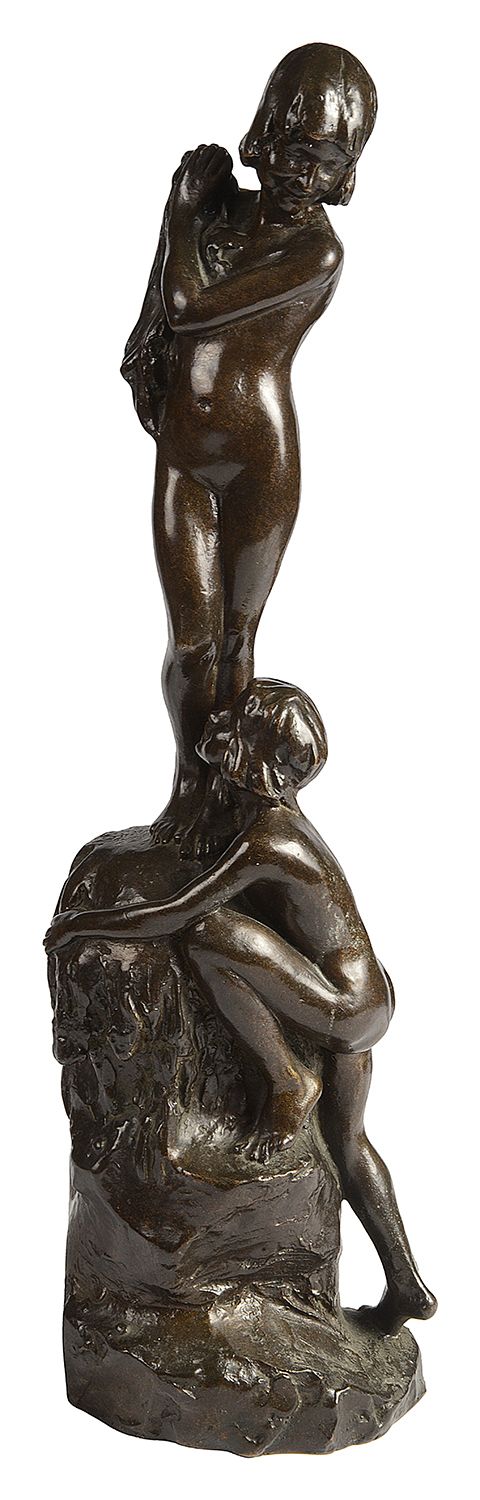
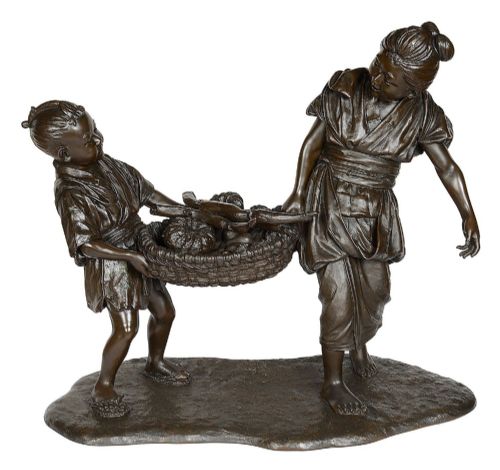
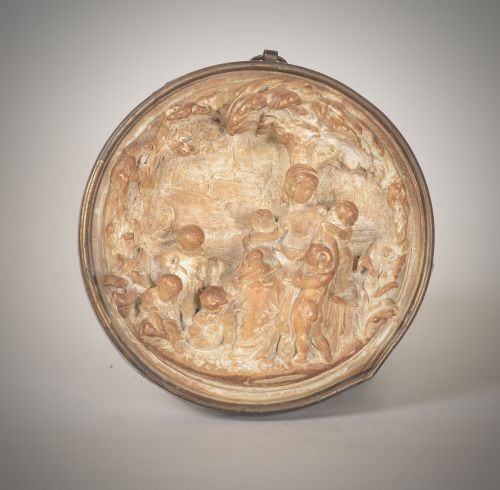
Buyers frequently find figures ranging from mythological subjects like Bacchus and cherubs to genre scenes of children, musicians, and historical characters. These pieces demonstrate how nineteenth-century makers translated classical motifs and contemporary realism into bronze.
Materials and Technique
The primary material across these listings is bronze, supplemented by patinated bronze, cast brass, and spelter for comparable metal forms. Artisans also incorporated secondary elements such as marble bases, glass shades, and fabric to complete functional objects like lamps and inkwells.
Casting techniques allowed makers to capture fine anatomical details and expressive drapery in three dimensions. Subsequent surface treatments, including patination and selective fire-gilding, produced varied tonal finishes from deep black-browns to bright metallic highlights.
Figural Bronze Casting Retail Price Guide 2026
Typical asking prices for figural bronze casting among the pieces listed under this phrase on Sellingantiques today, from the lower quarter to the upper quarter. They describe what is for sale here now, not the wider market.
Listings feature items spanning the 16th century through the 1950s, utilising bronze, brass, spelter, marble, and glass.
Markers of Quality
Quality in figural bronze casting rests upon the crispness of the chase work and the sensitivity of the initial cast. Superior examples retain sharp facial expressions, well-defined fingers, and intricate textural details in hair and clothing without softening from worn moulds.
The depth and stability of the patina contribute significantly to the visual success of a piece. Finer sculptures display deliberate surface coloration that accentuates the contours of the form, whereas lesser examples rely on flat, uniform paint or lack the secondary hand-tooling that distinguishes workshop output.
L & F Moreau·Antonio Merente·Giambologna·Justo de Gandarias·Joaquim Angles·Emmanuel Villanis·Antoine Bofill·Auguste Moreau·Jules Dalou·Susse Freres·Bruno Zach·P.Sega·Adrien Gaudez·Emile victor BLAVIER·Lavergne
The Figural Bronze Casting Glossary
- Patinated bronze
- Bronze treated with chemical solutions to produce a specific surface colour and finish. This layer protects the metal and enhances sculptural depth.
- Spelter
- A zinc-based alloy commonly used as an economical alternative to bronze. It was frequently bronzed to imitate the appearance of heavier cast metal.
- Putto
- A representation of a plump, naked child, often winged, derived from classical art. These figures appear frequently in nineteenth-century decorative bronzes and lighting.
- Lost-wax casting
- A method of metal casting in which a molten metal is poured into a mould that has been created by means of a wax model. This technique allows for intricate, highly detailed forms.
Figural Bronze Casting: Frequently Asked Questions
What is figural bronze casting?
Figural bronze casting involves pouring molten metal into a mould to create three-dimensional representations of people or animals. These works often take the form of standalone sculptures or decorative objects like lamps and candlesticks.
Maker signatures and foundry marks frequently help identify the origin and period of these metal objects. The resulting pieces combine artistic sculpture with practical household functions.
How do I display these bronzes at home?
These pieces suit stable wooden surfaces such as sideboards, desks, and mantels where their weight provides secure placement. Ensure they sit away from direct heat sources to protect any patinated finishes or associated marble components.
Lighting plays a key role in highlighting patinated surfaces and intricate cast details. Pairing figural lamps and candlesticks with traditional interiors enhances their historical character.
How can I tell the period?
Stylistic indicators such as flowing Art Nouveau linework or geometric Art Deco forms provide clear chronological markers. The clothing, hairstyles, and subject matter of the figures also align with specific nineteenth and early twentieth-century artistic movements.
Foundry stamps and artist signatures stamped directly into the metal offer definitive clues to a piece's date of origin. Comparing the casting technique with known historical production methods confirms the era.
What is the difference between bronze and spelter?
Bronze is a durable copper-alloy metal that takes fine detail and develops a rich patinated finish over time. Spelter is a softer, zinc-based substitute that feels lighter and was frequently painted to imitate genuine bronze.
Examining the underside or areas of wear often reveals the lighter, greyish metal beneath a spelter finish. Bronze maintains its structural integrity and metallic depth far better than spelter.