




Female Portrait Study
A female portrait study captures individual likenesses and character through the focused lens of drawing and painting.
Female Portrait Study
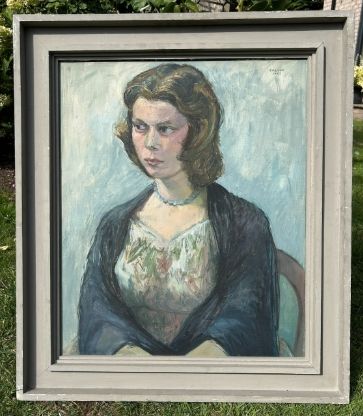
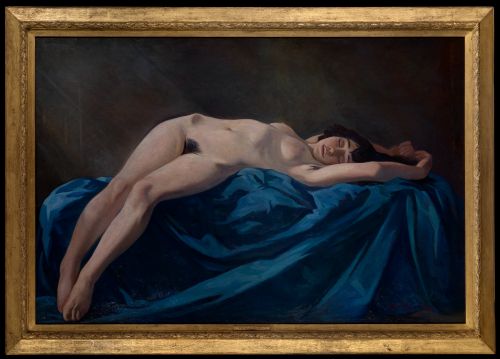
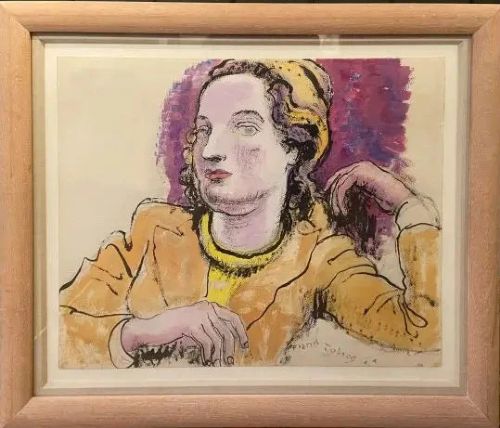
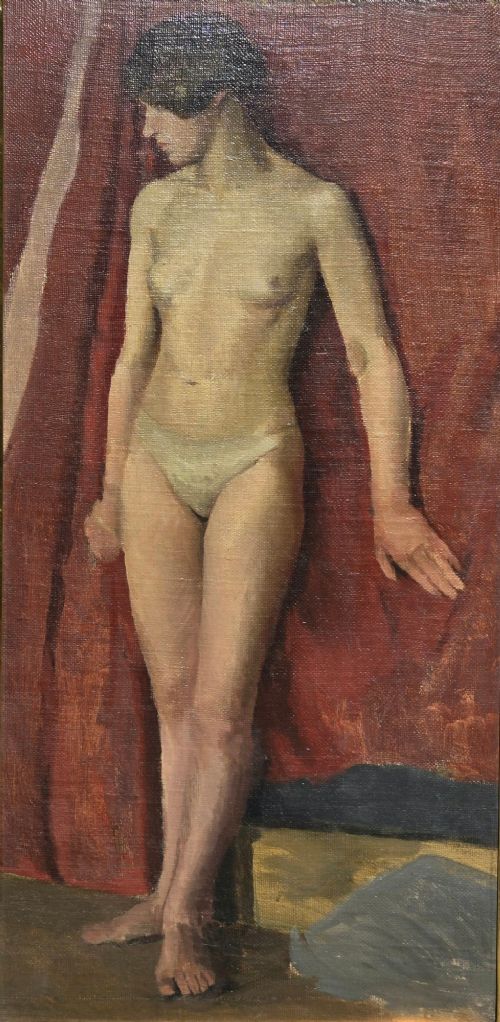
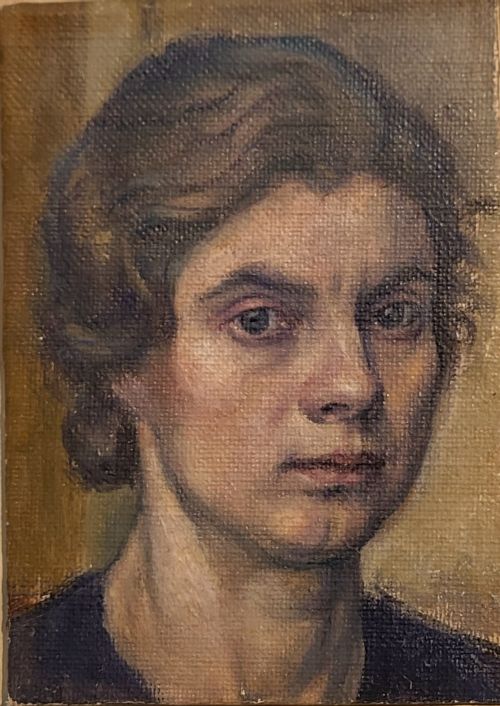
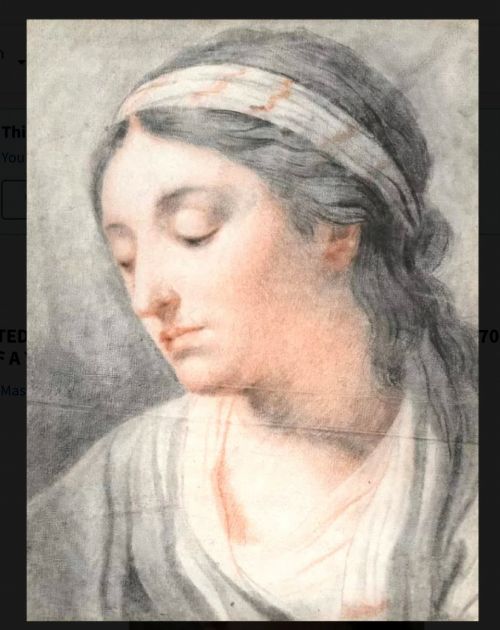
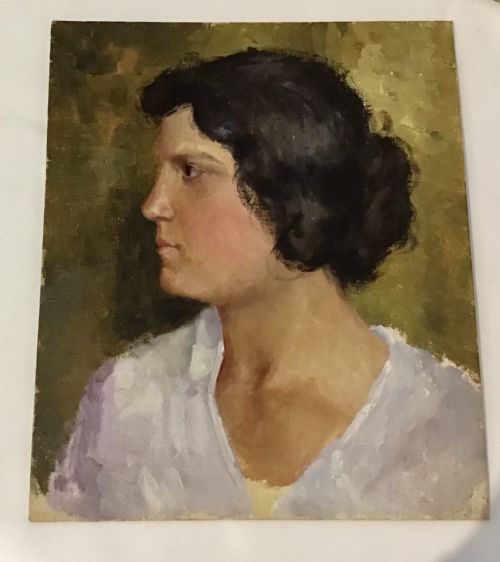
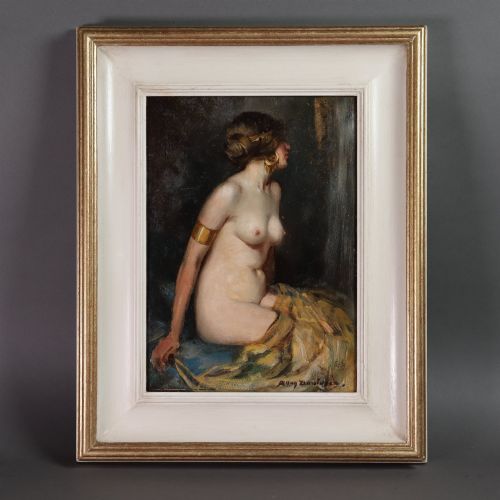
A female portrait study focuses on the likeness, expression, and form of a woman, rendered as a preparatory piece or a finished cabinet work. These pieces range from intimate academic drawings to expressive mid-century paintings.
The selection encompasses works from the eighteenth century through to the mid-twentieth century, with strong representation from the Victorian, Edwardian, and Art Deco periods. Buyers encounter various interpretations, from formal academic realisms to impressionist and modernist visions.
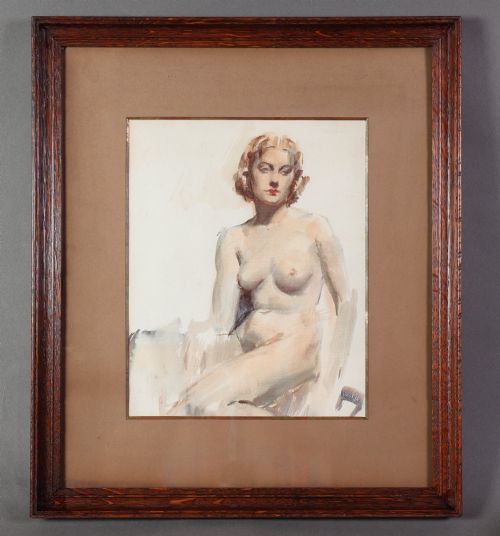
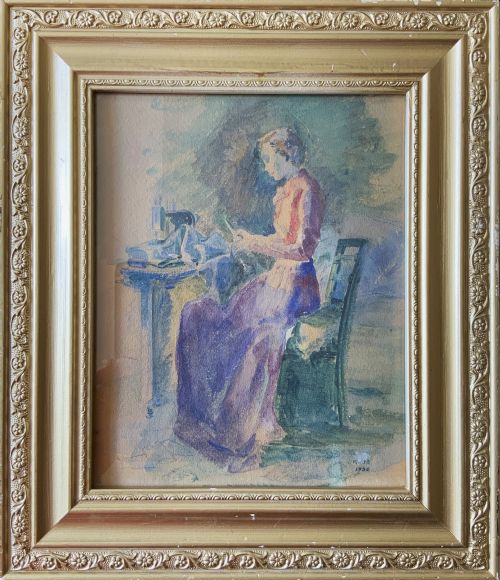
Works appear in formats such as framed fine art paintings, loose charcoal drawings, and watercolour sketches on paper or canvas. Each piece offers insight into the sitter and the hand of the artist recording them.
Materials and Techniques
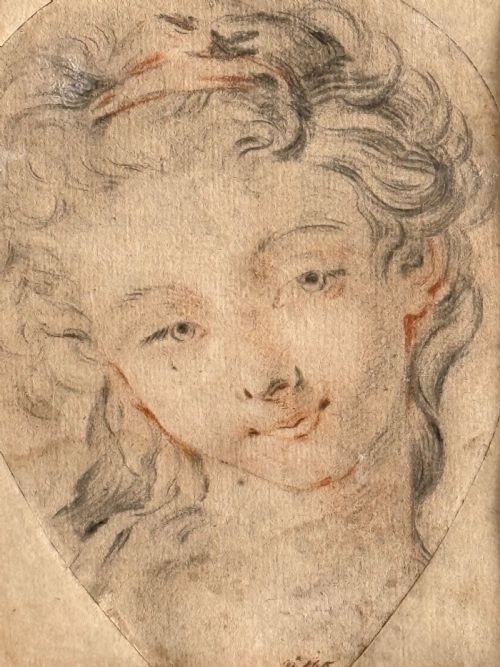
Artists utilised oil paint on canvas or board to build rich textures and tonal depths, often employing visible brushstrokes in impressionist and modernist works. Pastel, gouache, and sanguine provided softer linear qualities and delicate colour gradations.
Charcoal and pencil on paper formed the basis of academic life drawing and rapid preparatory sketches, capturing gesture and light with immediate economy. Watercolour added translucent washes that brought luminosity to the subject.
The listings span multiple centuries, uniting eighteenth-century French school drawings with mid-century British oils.
Assessing Quality and Execution
Quality rests upon the sureness of the draughtsmanship and the artist's ability to capture anatomical structure and psychological presence within a study. A confident line and balanced composition elevate a work beyond a mere exercise.
The handling of the chosen medium determines the vitality of the surface, whether through the expressive layering of oil pigment or the precise restraint of sanguine chalk. Provenance and attribution to documented artists further distinguish exceptional examples.
François Boucher·Augustus John·Winifred Eugene Ballard·Raymond Arthur Roadnight·Lucy Kemp-Welch
The Female Portrait Study Glossary
- Academic Realism
- A style of painting and drawing produced under the influence of European academies, prioritising accurate anatomy and meticulous finish. It forms the backbone of traditional portrait training.
- Sanguine
- A reddish-brown chalk used historically for sketching and drawing studies. It allowed artists to render warm skin tones and rapid tonal shifts.
- Gouache
- An opaque water-based paint that provides solid areas of flat colour and highlights. It is frequently combined with watercolour or pastel on tinted paper.
- Fauve
- A style characterised by vibrant, non-naturalistic colours and bold brushwork developed by early twentieth-century modernists. These works prioritize emotional expression over strict optical realism.
Female Portrait Study: Frequently Asked Questions
What distinguishes a study from a finished portrait?
A study generally focuses on specific elements like a facial expression, hand gesture, or lighting effect rather than a formal, polished presentation. Artists created them to explore composition or anatomy.
These pieces often display a looser, more immediate technique that reveals the working process of the creator.
How should I care for works on paper?
Works executed in pastel, charcoal, or watercolour require protection from direct sunlight to prevent fading of the pigments and yellowing of the paper supports.
Framing behind glass with acid-free mounts ensures the delicate media remains stable and free from airborne pollutants.
How do I identify the period of a portrait?
Stylistic cues, framing methods, and the materials used often provide clear indicators of a piece's date of origin. Clothing, hairstyles, and lettering on the backing also help anchor the work in time.
Comparing signatures with known artist registers assists in confirming the active period of the creator.
Where were these portrait studies displayed historically?
Many studies remained within artists' portfolios, academic studios, or private sketchbooks as working references or teaching aids. Some were later mounted and framed for domestic display once their documentary value was recognised.
They offer a direct window into the private practices of past painters and draughtsmens.