
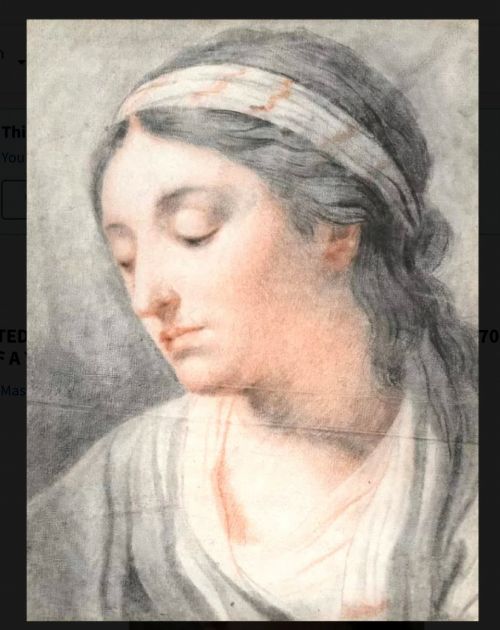


Female Portrait Sketch
A female portrait sketch is a direct encounter with a sitter's character captured through rapid, intimate marks on paper.
Female Portrait Sketch
A female portrait sketch on this page encompasses works executed across the eighteenth, nineteenth, and twentieth centuries, reflecting changing aesthetic ideals. Buyers searching this phrase typically encounter framed artworks, original drawings, and life studies created in various European schools.
The selections range from early Georgian depictions and Regency subjects to Edwardian watercolours and mid-century modern interpretations. These pieces function as personal mementoes, preparatory studies, and finished cabinet works intended for intimate domestic display.
Materials and Technique
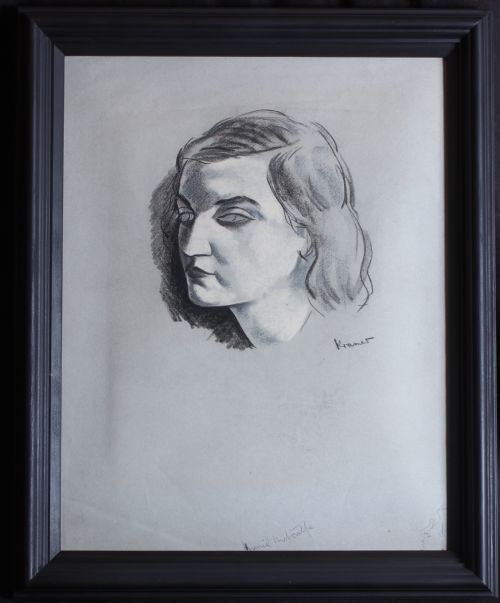
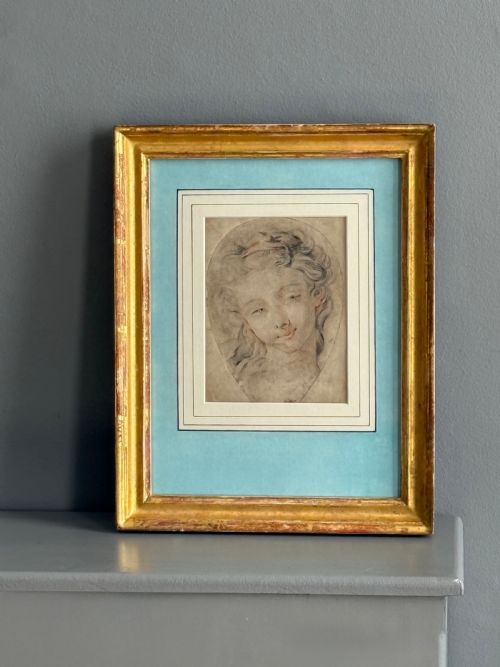
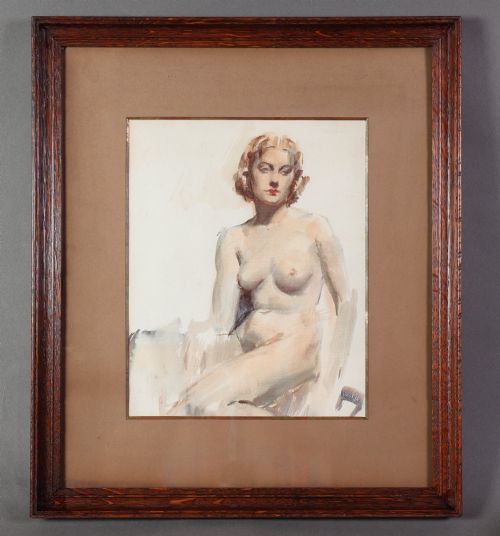
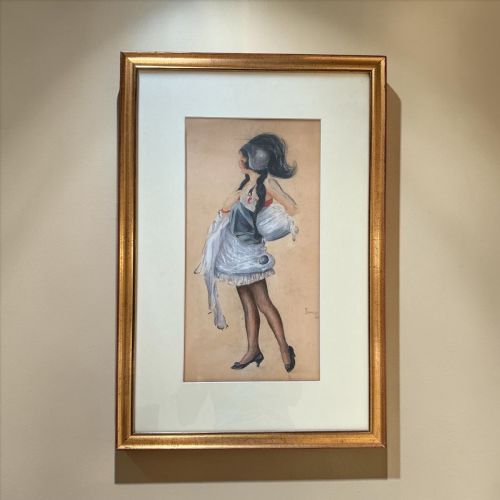
Artists relied primarily on paper supports, applying media such as graphite, charcoal, chalk, and pastel to build form and tone. Watercolour washes and sanguine frequently appear, adding subtle colour and warmth to linear foundations.
Framing materials such as original maple complement the primary paper support, protecting delicate surfaces from atmospheric moisture and handling. The interplay between dry drawing media and fluid washes defines the technical execution across different periods.
Materials span traditional paper, glass, graphite, wood, watercolour, charcoal, chalk, and pencil.
Assessing Quality and Execution
Quality rests upon the sureness of the hand and the economy of line used to establish likeness and volume. Strong examples demonstrate an assured handling of expression and shadow that breathes life into the sitter.
Condition of the paper and stability of fugitive media like pastel or chalk also dictate desirability. Works retaining their original period frames and clear provenance command greater appreciation among collectors.
Francois Boucher·Augustus John·Raoul Millais·Ozias Humphry·Charles Prosper Sainton·John Duncan Fergusson·Leo Klin
The Female Portrait Sketch Glossary
- Sanguine
- A reddish-brown chalk used historically for drawing figure studies. It allows artists to model flesh tones with warmth and precision.
- Pastel
- A medium consisting of powdered pigment and a binder, producing velvety colour. It requires glass protection due to its fragile nature.
- Wash
- A thin, transparent layer of diluted watercolour or ink applied to paper. Artists use it to establish rapid tonal depth behind linear work.
- Charcoal
- A form of dry carbonized wood used for sketching bold, expressive lines. It creates deep blacks and smooth tonal gradations.
- Graphite
- A crystalline form of carbon encased in wood or used in stick form. It yields versatile greys ranging from delicate silver to dark metallic tones.
Female Portrait Sketch: Frequently Asked Questions
How do I hang a paper portrait sketch?
Keep works away from direct sunlight to prevent fading of delicate watercolours, chalks, and graphites.
Ensure framing uses acid-free mounts and conservation glass to protect the paper from humidity and deterioration.
How do I date an antique portrait?
Examine the clothing, hairstyle, and framing style for clues that align with specific historical periods.
Signatures, dates inscribed on the reverse, and paper watermarks often provide precise confirmation of the execution year.
What is the difference between a study and a portrait?
A study is typically a working drawing created to explore anatomy, light, or composition before a larger painting.
A finished portrait focuses on capturing the specific likeness and personality of a named or individual sitter.
Are these works original?
The inventory consists of original hand-drawn or painted works rather than mass-produced prints or mechanical reproductions.
Each piece bears the unique physical marks, erasures, and touch of the individual artist's hand.