


Chalk Pastel Drawing
These chalk pastel drawing pieces bring tactile portraiture and studies to your walls, offering centuries of historic character.
Chalk Pastel Drawing
A chalk pastel drawing brings delicate textures and pigment to your wall, spanning centuries of portraiture and figurative study. When you search for chalk pastel drawing, you encounter works ranging from the eighteenth century to the mid-twentieth century.
The selection here includes framed fine art, portrait paintings, and drawings on paper. Pieces stretch across Victorian, Edwardian, and modern British styles, alongside French and Italian schools.
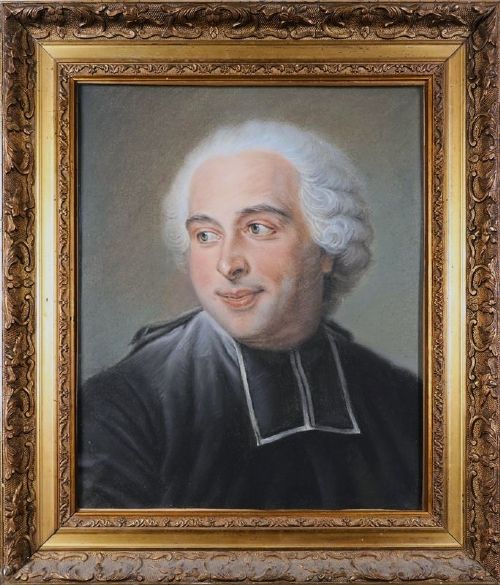
Portraits dominate the selection, depicting subjects from young boys in red jackets to notable poets and historical figures. Artists utilise paper and canvas supports, often enclosed behind glass within wooden or gilded frames.
Materials and execution
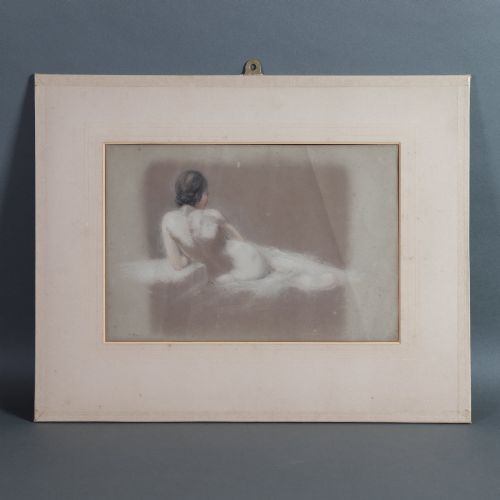
Artists create these works using chalk and pastel pigments applied to paper or canvas supports. Charcoal frequently joins pastel to establish underlying structure and darker tonal contrasts in figure studies.
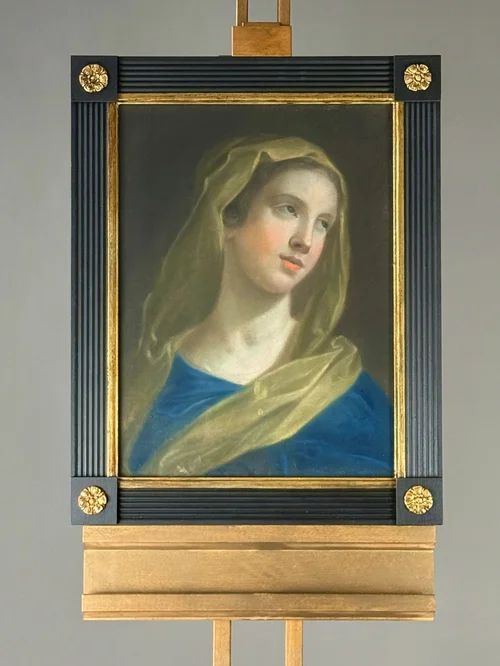
Finished works are secured behind glass to protect the fragile pigment layers from disturbance. Frames constructed from wood, giltwood, and gold leaf enclose the artwork.
Frames range from simple wooden profiles to ornate giltwood and gold leaf constructions.
Assessing quality in historical pastels
The preservation of the powdery pigment surface dictates longevity, as undisturbed pastel retains its original vibrancy. Original framing and period glass further elevate the integrity of the piece.
Maurice Quentin de la Tour·Benedetto Luti·William Etty·Cecil Charles Windsor Aldin·Arthur Todd·Robert Faulkner·Arthur Pond·Robin Watt·John Macallan Swan·Frank Dobson·George Richmond
The Chalk Pastel Drawing Glossary
- Pastel
- A dry painting medium consisting of powdered pigment and a binder, shaped into sticks. It applies directly to paper or canvas to create velvety colour fields.
- Giltwood
- Wood carved and covered with a thin layer of gold leaf or gold paint. It provides ornate framing for historic portraits.
- Charcoal
- A form of dry carbonised wood used for sketching and outlining. Artists employ it to map compositions before applying chalk and pastel.
- Study
- A preparatory drawing or painting made to test ideas or record observations. These works often capture spontaneous movement and anatomy.
- Baroque
- An artistic style originating in Italy, marked by dramatic lighting and emotional intensity. Pieces from this tradition emphasise dynamic movement.
Chalk Pastel Drawing: Frequently Asked Questions
Where should I hang a chalk pastel drawing?
Hang your piece on an interior wall away from direct sunlight and high moisture areas like kitchens or bathrooms. Ultraviolet light fades delicate pigments over time, and humidity damages paper supports.
Position the artwork at eye level in a stable environment to preserve both the paper and the surrounding wooden or gilt frame.
How can I tell the period of a pastel?
Examine the framing materials, backing boards, and the style of the script used for signatures or inscriptions on the paper. Eighteenth-century works often feature laid paper and hand-carved frames, while Victorian pieces show distinct mounting techniques.
Compare the clothing and hairstyle of portrait subjects against historical fashions to narrow down the decade of creation.
Why are pastels framed under glass?
Glass protects the loose pigment particles from air movement, dust, and accidental physical contact. Because pastel sits unbound on the paper surface, any touch permanently removes or displaces the colour.
Historical pieces retain their original glass and framing, which also contributes to the authenticity and aesthetic harmony of the artwork.