


Female Dancer Figure
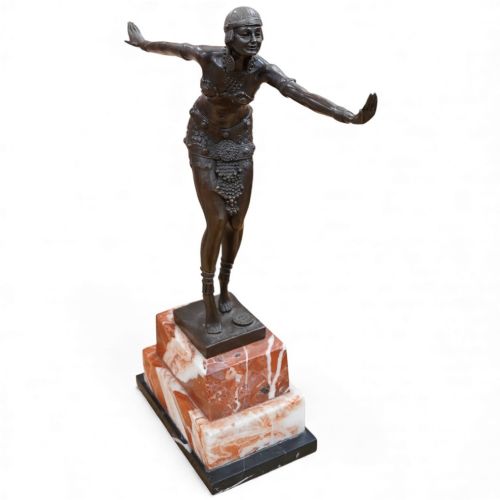
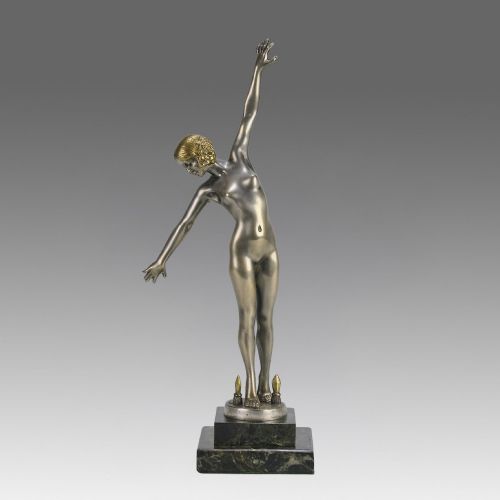
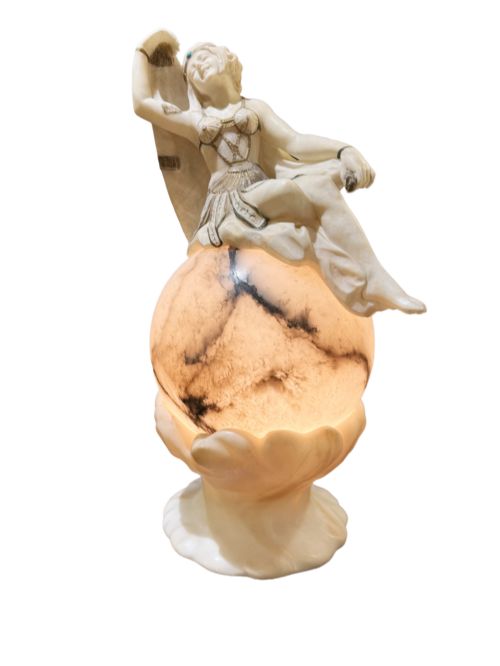
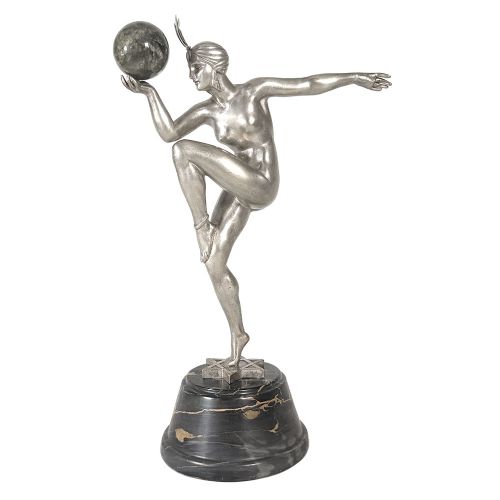
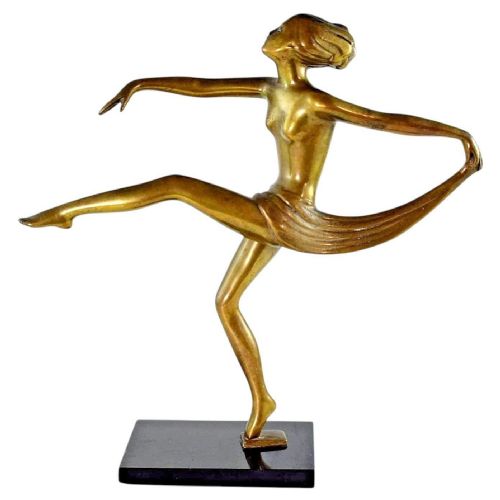
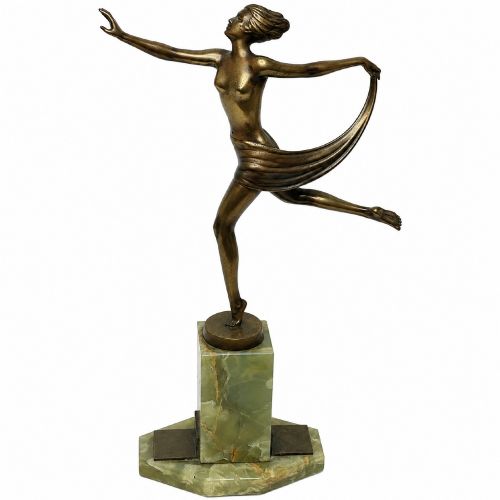
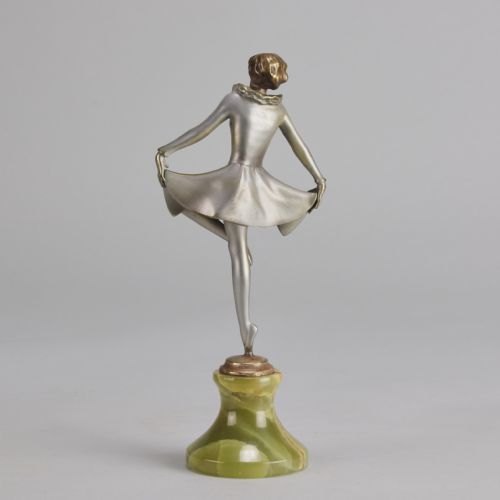
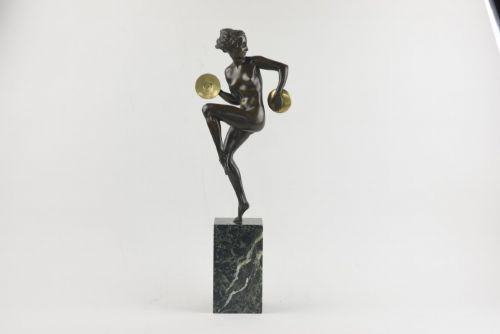
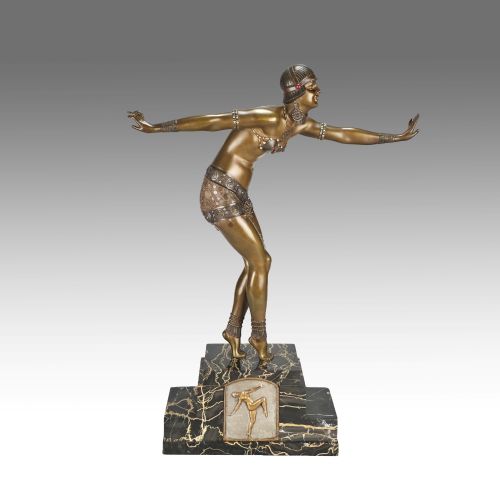
A female dancer figure captures motion in bronze, marble and alabaster, making it a focal point for any collector of twentieth-century sculpture.
Female Dancer Figure
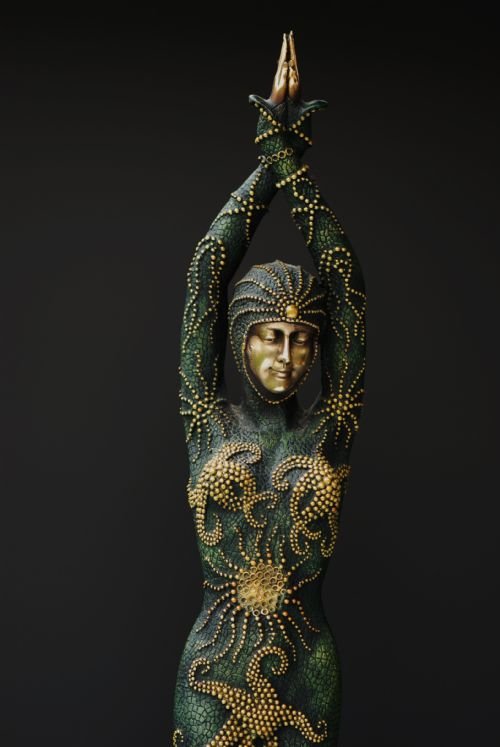
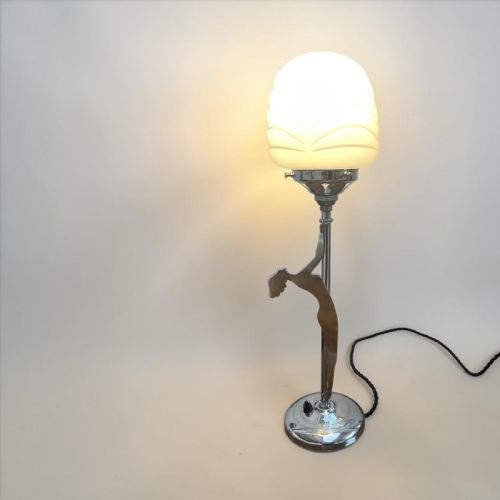
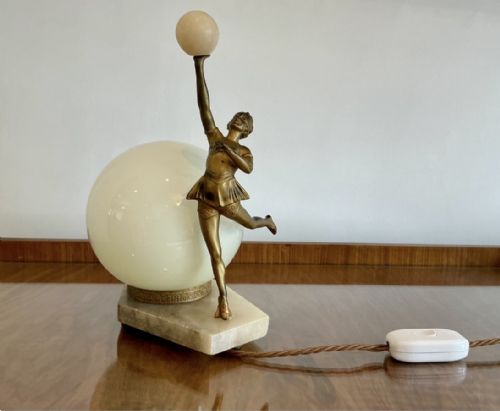
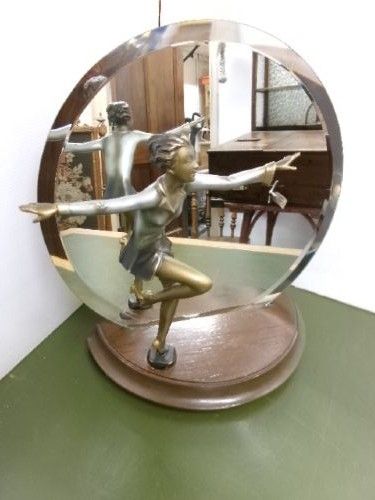
A female dancer figure embodies the dynamic energy of early twentieth-century design, appearing predominantly in Art Deco and Art Nouveau styles from the 1920s and 1930s. These pieces range from small cabinet figurines to substantial lamps and multi-material sculptures.
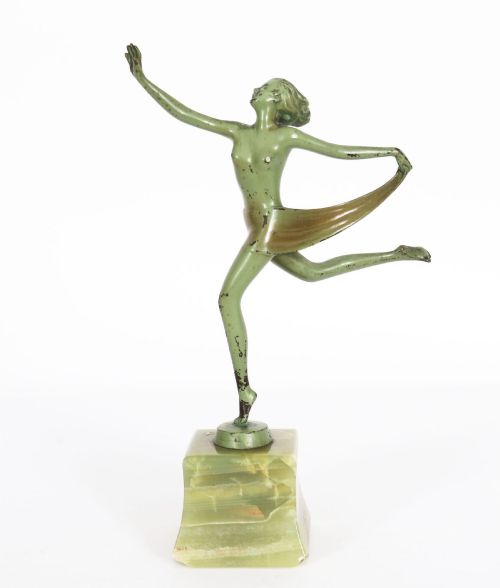
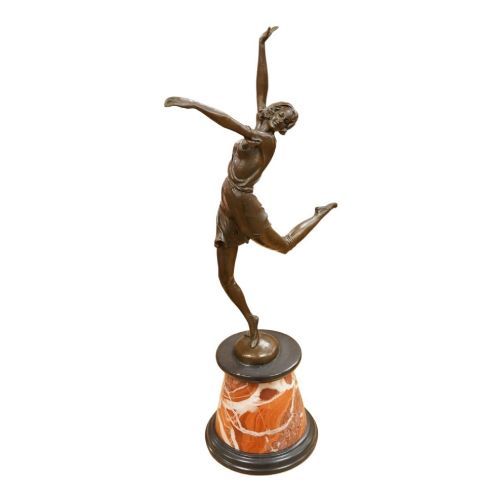
The most common examples on this page are bronze and spelter figures mounted on heavy marble or onyx bases, often depicting theatrical, ballet or exotic dancers in mid-movement.
Materials and casting methods
Foundries utilised traditional lost-wax casting for bronze works, allowing for intricate detailing in drapery and limbs, while cold-painting or gilt finishes added colour and surface sheen.
Alternative materials include carved alabaster, painted metal, chrome plate and porcelain, frequently paired with contrasting stone plinths to provide stability and visual weight.
Female Dancer Figure Retail Price Guide 2026
Typical asking prices for female dancer figure among the pieces listed under this phrase on Sellingantiques today, from the lower quarter to the upper quarter. They describe what is for sale here now, not the wider market.
The listings span from nineteenth-century classical revival pieces through to mid-century British works, demonstrating diverse applications of bronze, marble, and alabaster.
Determinants of quality
Superior examples display crisp chiselling after the cast, subtle patination, and organic integration between the dancer's pose and the supporting stone base.
Lesser items rely on softer recast details, plain spelter instead of bronze, and mechanical mounting that separates the figure from its plinth.
Ouillon Carrere·Maurice Giraud-Rivière·D.H. Chiparus·Bruno Zach·Josef Lorenzl·Aurore Onu·C J R Colinet·Hagenauer·John Merrifield·Paul Philippe·Theo Voss·Pierre Le Faguays·Rene Andre Varnier·Jean Hippolyte Marchand·Paul de Boulogne
The Female Dancer Figure Glossary
- Cold-painted bronze
- A technique where paint is applied to a cold bronze object without firing, typical of Viennese workshops in the early twentieth century.
- Spelter
- A zinc-based alloy utilised as an affordable substitute for bronze in decorative figures.
- Chryselephantine
- A term describing statues made from a combination of bronze and ivory, often seen in Art Deco dancer sculptures.
- Patination
- The chemical or natural surface coloration developed on metal over time or applied by the artist.
Female Dancer Figure: Frequently Asked Questions
How do I identify an original Art Deco dancer?
Examine the weight, material quality and presence of foundry marks or artist signatures. Original pieces generally utilise bronze, carved alabaster or high-grade ceramic rather than modern synthetic substitutes.
Look closely at the surface patination and the attachment to the marble base. Period pieces show authentic wear consistent with the 1920s and 1930s.
What is the difference between bronze and spelter figures?
Bronze is a heavy copper alloy that accepts fine chisel work and complex patination. Spelter is a lighter zinc alloy that feels softer and often shows a painted coating rather than true patina.
When tapped gently, bronze yields a clear ringing tone, whereas spelter produces a dull thud.
Where should I display a large dancer sculpture?
Place these figures on sturdy console tables, desks or specialised pedestals where they can be viewed from multiple angles. Ensure the heavy marble or onyx base rests securely on a level surface.
Keep them away from direct heat sources and strong sunlight to protect cold-painted finishes and delicate patinas.