

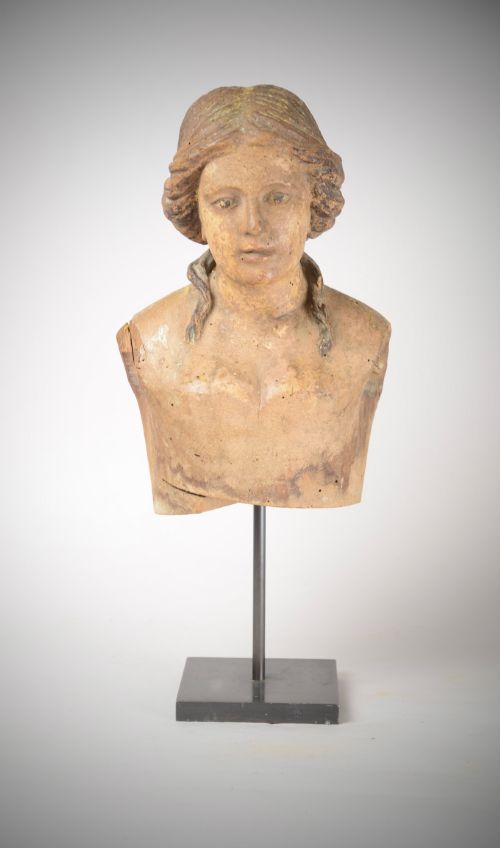
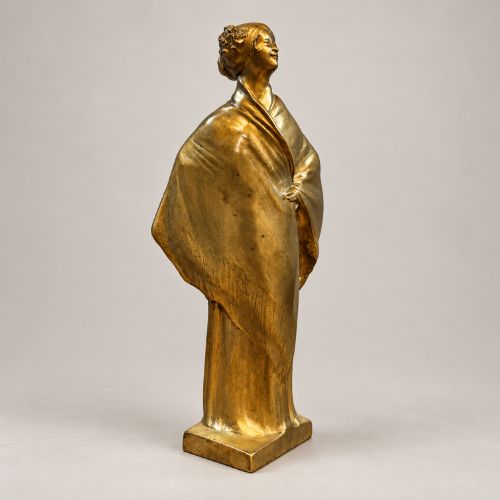
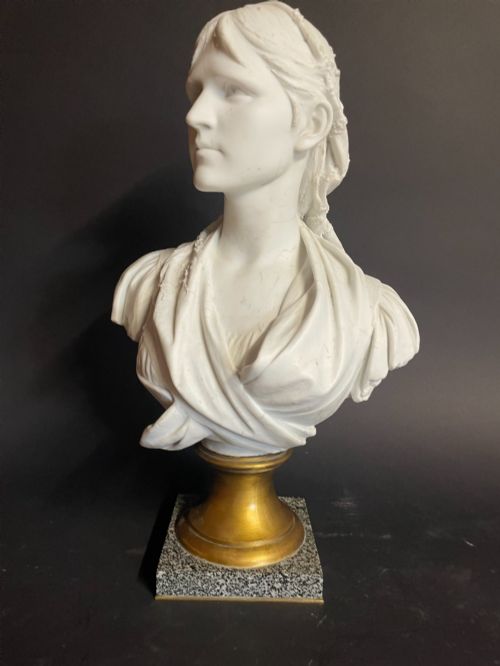
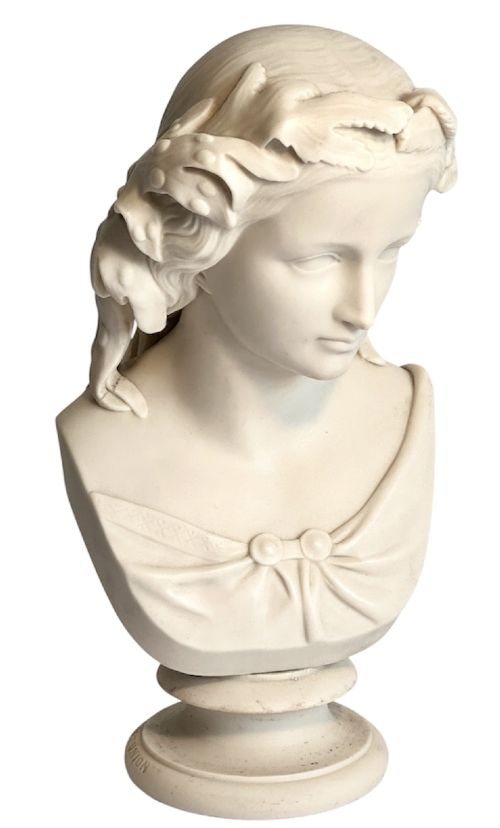

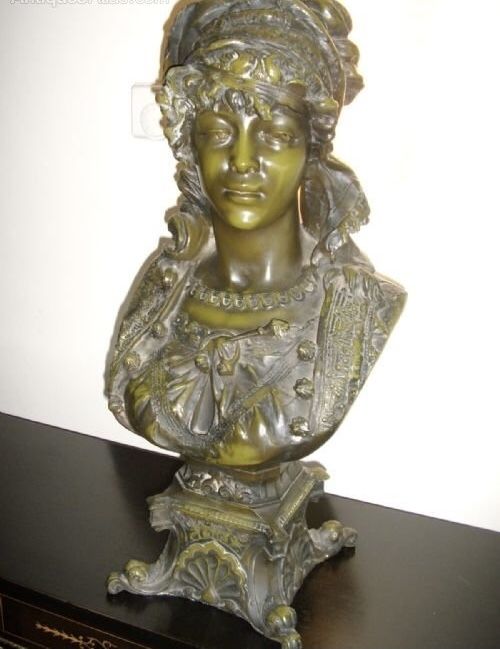
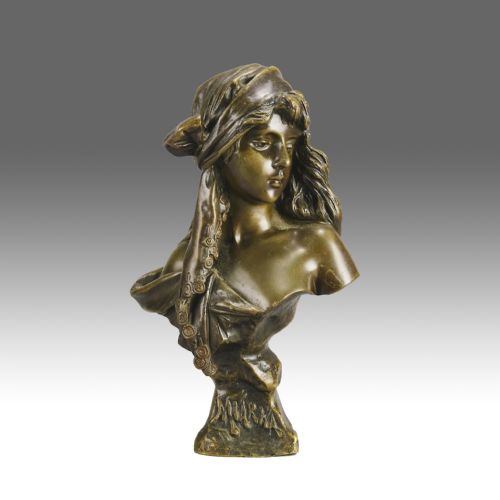

Female Bust Figure
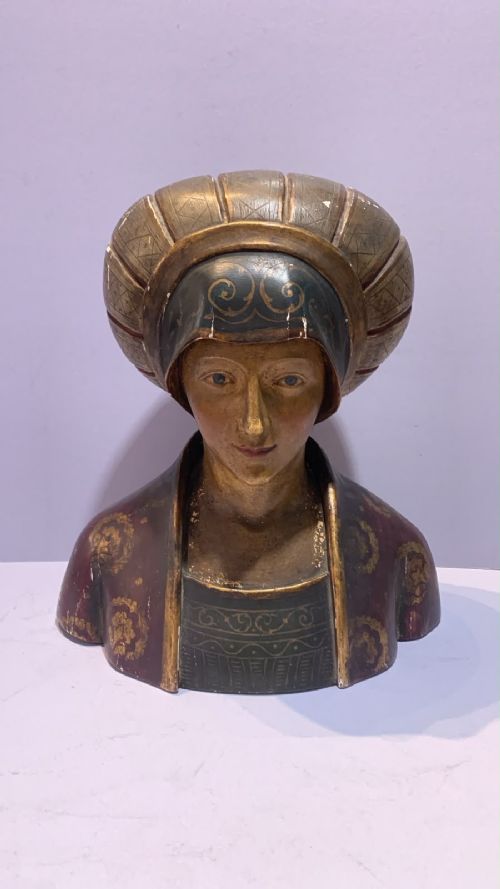
A female bust figure captures the human form in miniature or life size, offering interior decorators a sculptural focus rooted in historical periods.
Female Bust Figure
A female bust figure represents women through various historical periods, spanning classical mythology, allegorical subjects, and portraits of noblewomen. When searching for a female bust figure, collectors encounter materials ranging from alabaster and marble to bronze and terracotta.
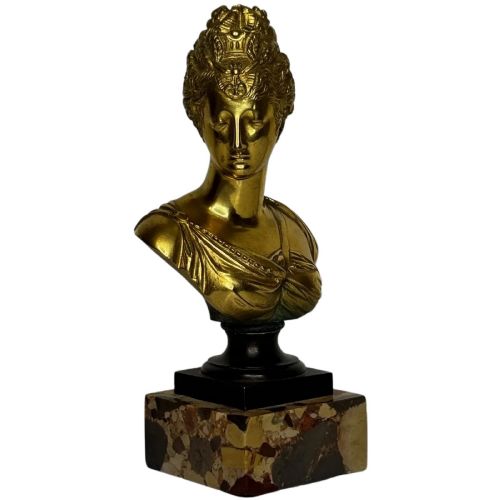
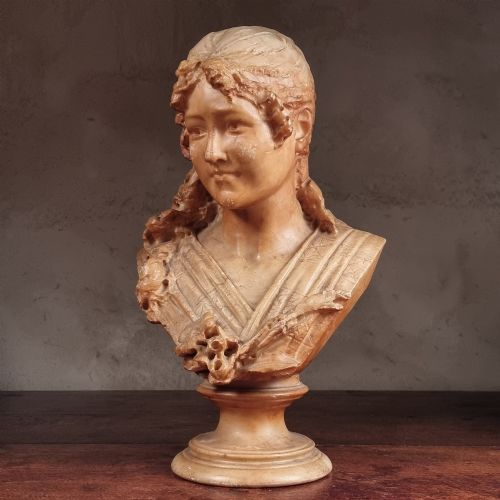
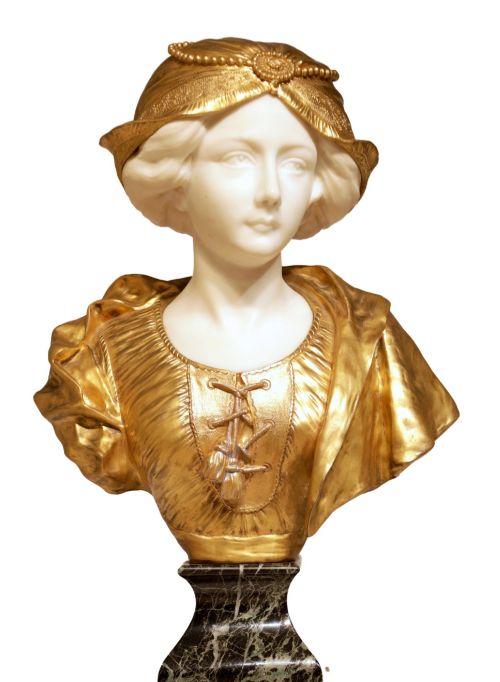
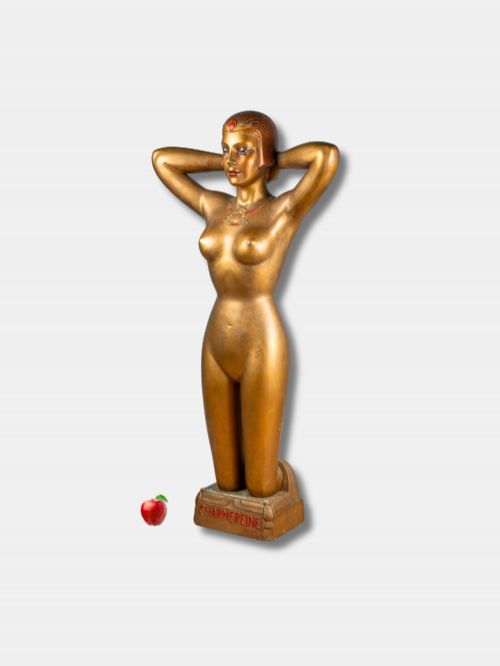
The pieces on this page include Victorian and Neoclassical interpretations alongside Art Nouveau and Art Deco creations. Sculptors captured subjects like Diana de Poitiers, mythological muses, and literary heroines in forms designed for interior display.
Materials and Techniques
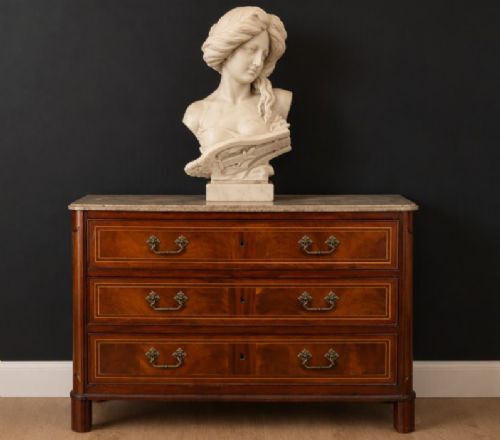
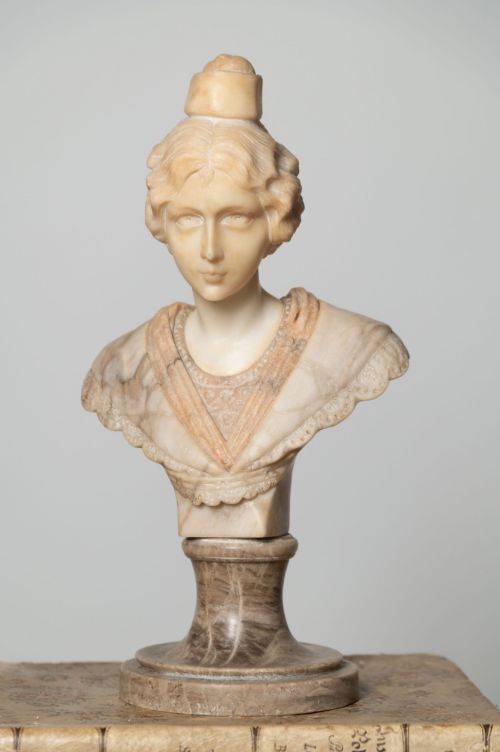
Carved stone works utilise marble, alabaster, and occasionally wood, shaped by hand to create the soft contours of drapery and skin. Artisans selected blocks with specific veining to enhance the visual depth of hair and garments.
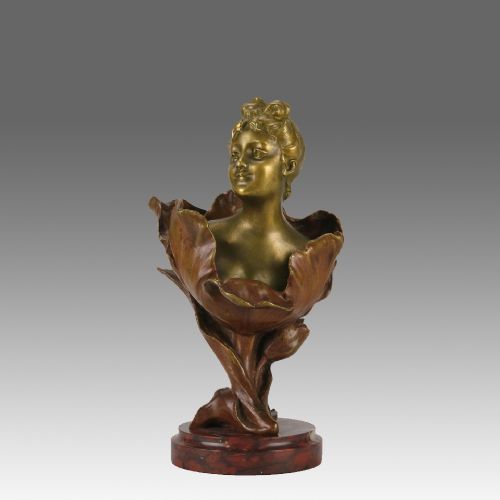
Metal sculptures employ bronze, gilt bronze, and patinated bronze, often cast using the lost-wax method before receiving hand-finished chased details. Ceramic and terracotta pieces undergo kiln firing and manual painting or glazing to achieve their final appearance.
Female Bust Figure Retail Price Guide 2026
Typical asking prices for female bust figure among the pieces listed under this phrase on Sellingantiques today, from the lower quarter to the upper quarter. They describe what is for sale here now, not the wider market.
The inventory records stylistic movements including Neoclassical, Victorian, Art Nouveau, Art Deco, and Renaissance Revival.
Evaluating Quality
The quality of a carved stone piece depends upon the precision of the chisel work in the facial expression and the subtlety achieved in carved veils and hair. Softer stone details indicate a higher grade of hand-carving that preserves anatomical realism.
In metal castings, quality rests on the crispness of the chasing and the complexity of the patination applied to the surface. Stronger examples display clear foundry signatures and deliberate balance between the metal sculpture and its supporting stone base.
Affortunato Gory·Emmanuel Villanis·Henri Godet·Eugene Aizelin·Achille Mollica
The Female Bust Figure Glossary
- Alabaster
- A fine-grained translucent stone often utilised for Victorian and turn-of-the-century portrait sculptures.
- Patinated bronze
- Metal sculpture treated with chemicals to produce a distinct surface colour and sheen.
- Caryatid
- A carved female figure serving as an architectural support column or pedestal.
- Spelter
- A zinc alloy utilised as an economical alternative to bronze in decorative figures.
- Herm
- A carved bust or torso surmounting a square pillar, originating in classical antiquity.
Female Bust Figure: Frequently Asked Questions
What materials were commonly used for these sculptures?
Makers utilised marble, alabaster, bronze, gilt bronze, terracotta, and carved wood to shape these portraits. Selection depended largely on the prevailing style of the period and the intended interior setting.
Stones like Carrara marble provided a classical finish, while metal alloys allowed for sharper lines in Art Nouveau works.
How do I identify an Art Nouveau piece?
Art Nouveau examples typically feature flowing hair, natural motifs, and titles inscribed in the metal or stone. These works frequently date from the late nineteenth century to the early twentieth century.
Foundry marks and specific patination styles further assist in dating these distinct female figures.
Where were these figures placed historically?
Victorian and Neoclassical examples sat upon mantelpieces, sideboards, or dedicated pedestals in domestic parlours. Grand Tour pieces served as travel mementos displayed in studies.
Larger versions functioned as freestanding decorative objects or architectural elements within formal halls.