



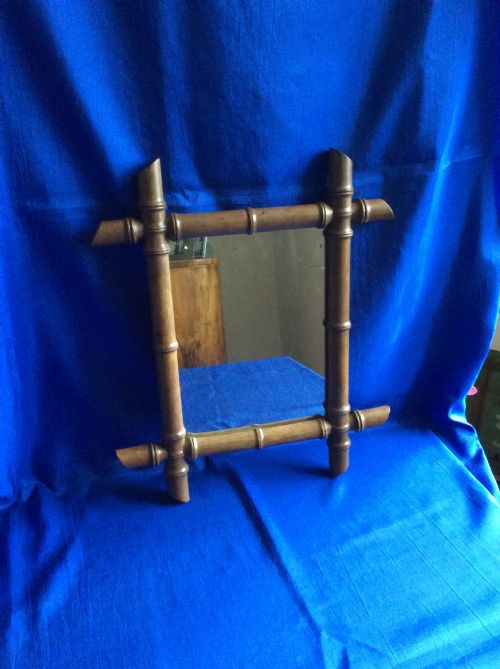


Faux Bamboo Frame
These pieces known as a faux bamboo frame bring hand-carved botanical charm to a room, offering the distinct look of turned canes in solid wood.
Faux Bamboo Frame
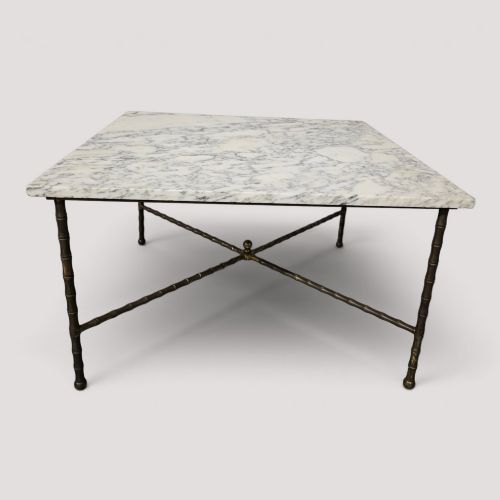
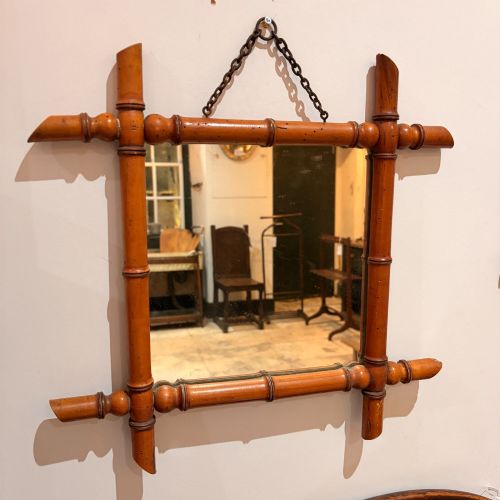
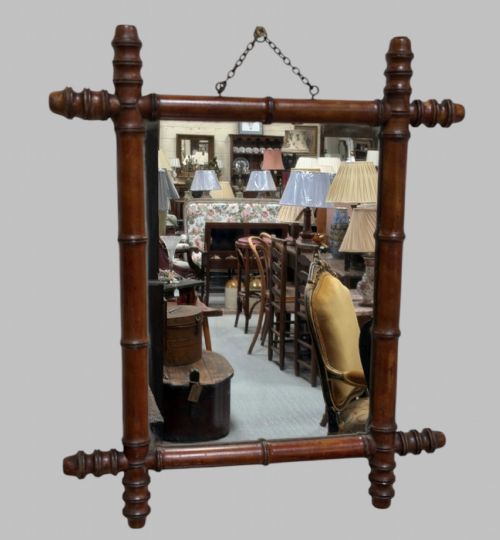
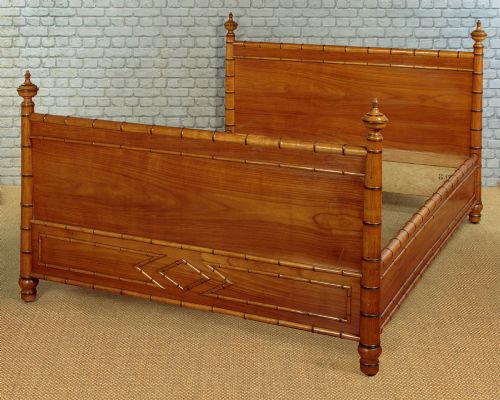
A faux bamboo frame transforms ordinary timber into convincing oriental cane work, giving domestic interiors a touch of exotic texture. When you search for a faux bamboo frame, you encounter various forms ranging from wall mirrors to coffee tables and complete bedframes.
The versions most commonly met on this page date from the nineteenth century into the early twentieth century. They often appear in French, Victorian, or Aesthetic Movement styles, showing the period fascination with imported Asian design motifs.
Makers shaped ordinary timbers like beech and pine to imitate segmented bamboo stalks, applying paint, gilding, or polished finishes. These pieces served as fashionable furnishings in period bedrooms and reception rooms alike.
How they were made
Craftsmen shaped solid woods such as beech and pine using lathes and hand-carving tools to replicate the characteristic nodes and hollows of natural bamboo. This labour-intensive woodworking created convincing joints and segmented shafts from domestic timber.
Makers finished these wooden structures with layers of paint, clear varnish, or gilt brass mounts, occasionally pairing the frames with mirror glass or canvas. The surface treatments protected the timber while enhancing the illusion of oriental cane.
Faux Bamboo Frame Retail Price Guide 2026
Typical asking prices for faux bamboo frame among the pieces listed under this phrase on Sellingantiques today, from the lower quarter to the upper quarter. They describe what is for sale here now, not the wider market.
Object types range widely across this selection, including wall mirrors, oil paintings, coffee tables, and complete bedsteads.
What varies in quality
The distinction between standard examples and finer items lies in the precision of the carved nodes and the choice of underlying timber. Skilled carvers captured the irregular, organic swellings of real bamboo rather than repeating a mechanical pattern down the length of the frame.
Original surface treatments also separate average pieces from superior ones, with intact period paint, original gilding, or patinated brass retaining greater integrity. The depth of the relief work and the solidity of the corner joints determine the overall structural success of the object.
John Taylor Edinburgh·Ah Hee Studio
The Faux Bamboo Frame Glossary
- Aesthetic Movement
- A late nineteenth-century design style that emphasised visual beauty over narrative content, drawing heavily on Japanese art and natural forms. This movement popularised bamboo furniture across European homes.
- Beech
- A dense, pale hardwood frequently used by period cabinetmakers for turned and carved furniture components. Its fine grain made it an ideal base for simulating bamboo nodes.
- Gilt brass
- A base metal treated with a thin layer of gold or gold-coloured wash to imitate solid precious metal. It frequently appears as decorative mounts or framing accents on mid-century tables.
- Turned wood
- Timber shaped on a lathe by rotating it against cutting tools to produce symmetrical cylindrical or rounded profiles. This technique formed the foundation of simulated cane work.
Faux Bamboo Frame: Frequently Asked Questions
How do I identify a faux bamboo frame?
Look closely at the turned wooden sections to find raised rings or nodes that mimic natural cane joints. These elements should show hand-carving or lathe work rather than being moulded from modern resin.
The overall construction generally relies on nineteenth-century joinery techniques, using timbers like beech or pine beneath traditional paint or varnish finishes.
What rooms suit a faux bamboo frame?
These pieces work well in bedrooms, hallways, or living spaces where they introduce texture and historical character. Their slender profiles allow them to fit comfortably into smaller wall spaces or compact seating areas.
They pair easily with both period antiques and modern minimalist interiors, adding a subtle touch of botanical design.
Are these frames made of real bamboo?
Most pieces listed under this description are actually carved from solid European hardwoods such as beech or pine. Craftsmen shaped the timber to imitate the exact appearance and segmented form of natural bamboo.
This solid wood construction provided greater durability and weight than actual cane while delivering the desired exotic aesthetic.
How do I date a faux bamboo frame?
Dating relies on examining the underlying timber, the backboards of mirrors, and the consistency of the surface finish. Nineteenth-century examples often display hand-cut joinery and aged patination on the painted or gilded surfaces.
Stylistic cues such as Aesthetic Movement or Victorian design characteristics also help narrow the period of origin.