




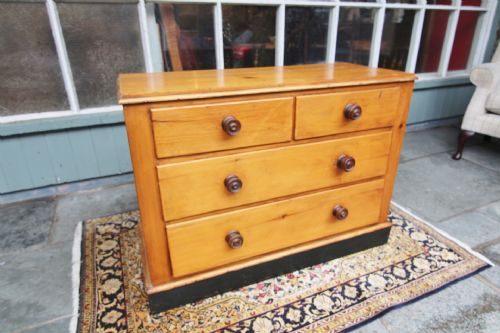


Farmhouse Pine Dresser
A farmhouse pine dresser offers practical storage and honest country character, built from solid timber to serve working kitchens.
Farmhouse Pine Dresser
A farmhouse pine dresser brings practical storage and traditional utility to domestic spaces through robust kitchen cupboards, dresser bases, and corner units. These pieces emerge from nineteenth-century workshops, spanning Victorian eras and regional variations such as Scottish vernacular or Alpine folk art.
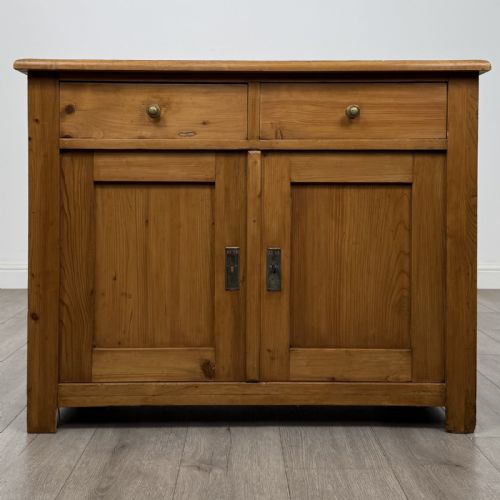
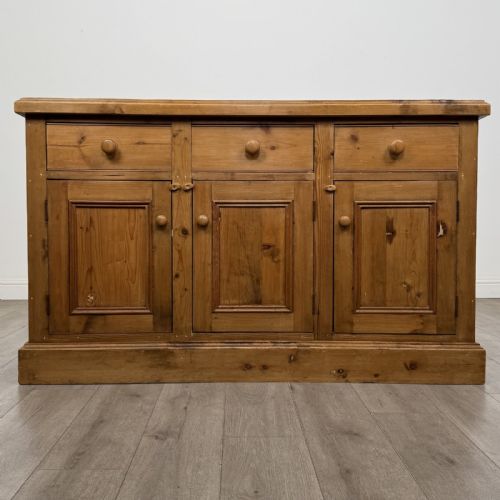
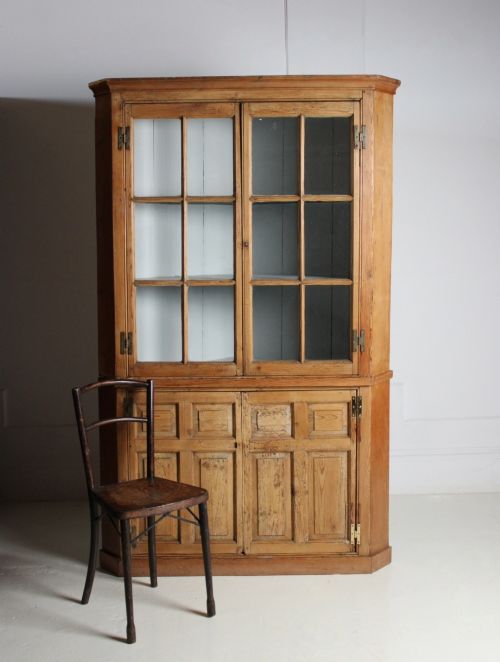
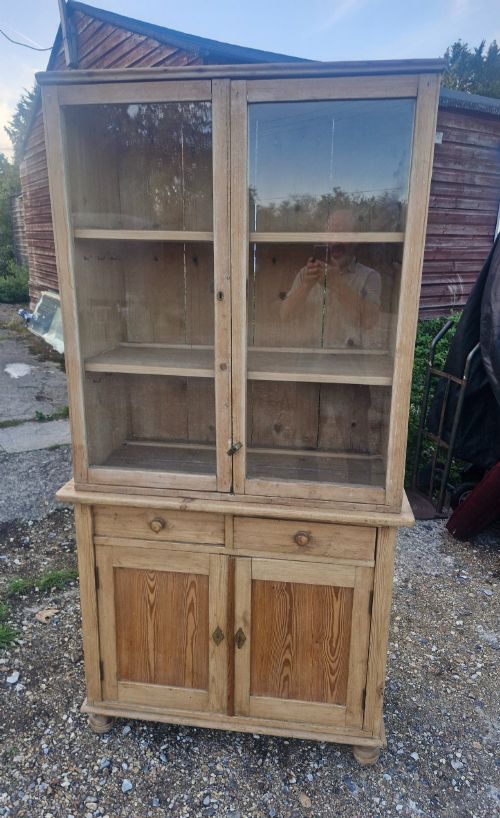
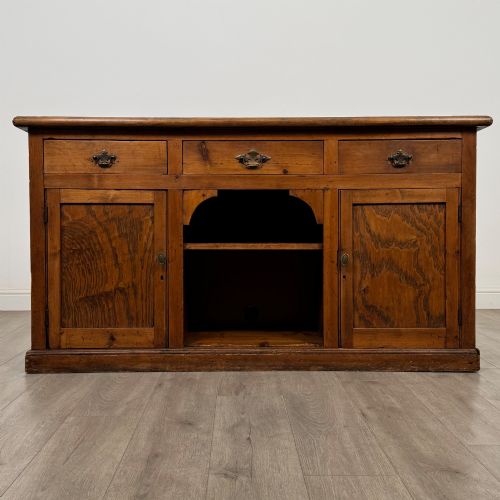
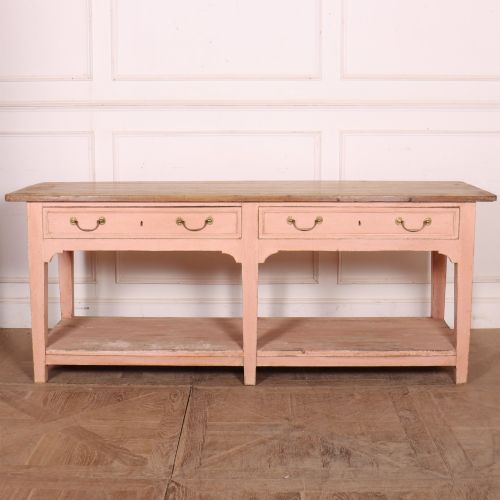
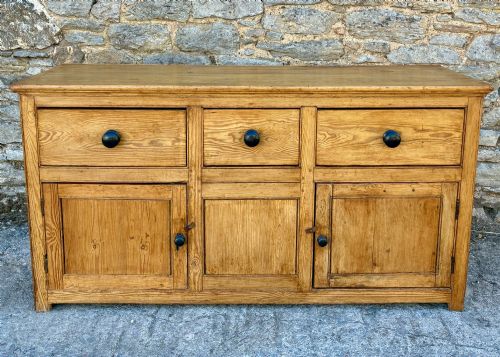
Buyers encounter two primary configurations on this page: complete two-part kitchen dressers with upper display sections, and lower dresser bases or sideboards equipped with banks of drawers. Form follows utility, prioritising deep storage capacity and accessible surfaces for daily kitchen work.
Regional diversity shapes these items, from English country house examples to Scottish dairy dressers and Alpine folk art pieces. Each variant reflects the specific domestic needs of its original setting while maintaining a consistent commitment to solid pine construction.
Distinguishing quality across pieces
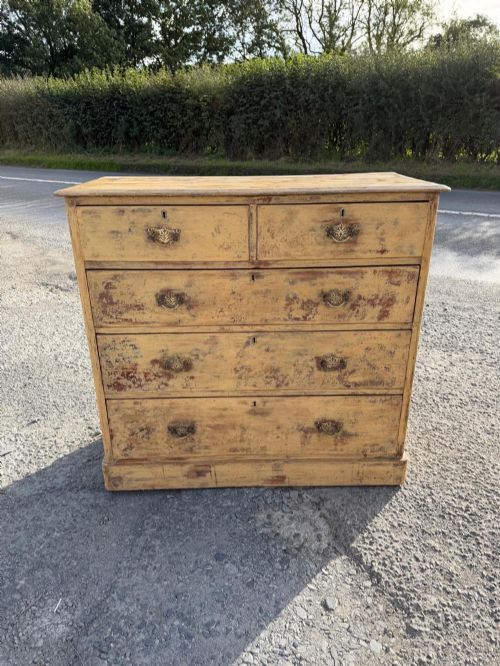
Quality separates through the integrity of the original timber and the retention of early or original paint surfaces. Pieces showing unaltered brass hardware and sound structural joinery stand apart from those with extensive modern replacements.
Proportion and regional detailing dictate distinction, with items featuring gallery backs, potboards, or distinct vernacular characteristics commanding greater interest. The balance between utilitarian strength and fine proportion marks the upper tier of these domestic furnishings.
Farmhouse Pine Dresser Retail Price Guide 2026
Typical asking prices for farmhouse pine dresser among the pieces listed under this phrase on Sellingantiques today, from the lower quarter to the upper quarter. They describe what is for sale here now, not the wider market.
Listings feature nineteenth-century pine furniture utilising solid pine, brass, glass, and original painted timber across regional variations.
The Farmhouse Pine Dresser Glossary
- Dresser base
- The lower section of a kitchen dresser, featuring drawers and cupboards without the upper plate rack. This form functions independently as a sideboard or preparation surface.
- Potboard
- An open lower shelf fitted beneath a dresser base, traditionally used for storing heavy pots and culinary vessels. It provides structural stability while keeping utilitarian items accessible.
- Scumbled pine
- Timber treated with a translucent glaze layer manipulated over a base coat to imitate more expensive woods or create textured grain effects. Victorian painters used this technique extensively on utility furniture.
- Gallery back
- A raised wooden barrier along the rear edge of a top surface, designed to prevent items from sliding off. This feature often incorporates decorative shaping on nineteenth-century chests and dressers.
- Folk art
- Decorative work executed within a regional or vernacular tradition by self-taught makers. Painted pine pieces in this category display distinctive local colour palettes and motifs.
Farmhouse Pine Dresser: Frequently Asked Questions
How do I date an antique pine dresser?
Dating relies on examining construction methods, timber characteristics, and hardware types used in the piece. Nineteenth-century examples often display hand-cut joinery and period-specific brass pulls.
Paint surfaces and regional stylistic clues also help narrow the decade of production. Comparing the form against documented nineteenth-century domestic furniture provides further confirmation.
What is the difference between a dresser base and a kitchen cupboard?
A dresser base incorporates a lower bank of drawers and cupboards designed as a heavy working surface. It typically offers open access or lower doors for kitchen storage.
Kitchen cupboards focus on enclosed vertical storage with doors, sometimes featuring glazed panels. These tall units stand independently to house provisions and crockery.
How should I care for original paint on pine furniture?
Original painted surfaces require gentle dusting with a dry, soft cloth to prevent abrasion. Avoid modern chemical cleaners, harsh detergents, or excessive moisture that might lift the historic finish.
Keep the piece away from direct sunlight and heat sources to prevent timber shrinkage and paint flaking. Wax should only be applied to unpainted waxed pine surfaces.