



Farmhouse Console
A farmhouse console brings honest utility and time-worn timber to an entrance hall or living space through utilitarian forms built for daily domestic labour.
Farmhouse Console
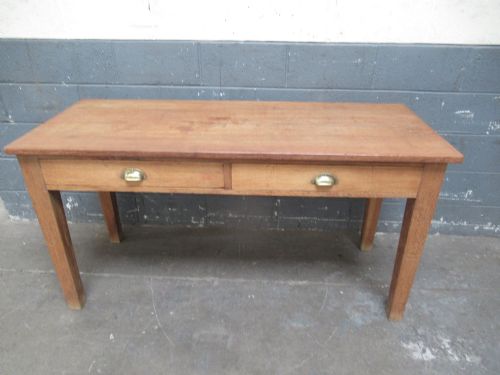
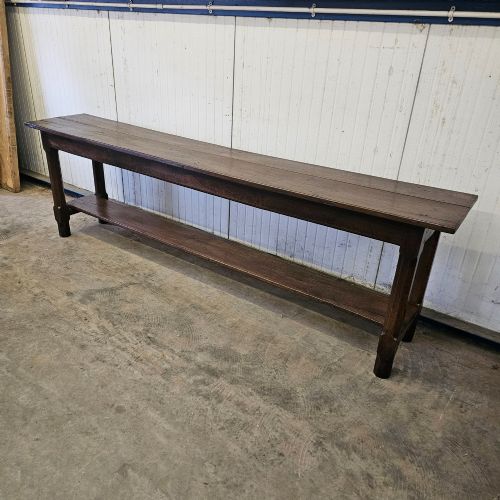
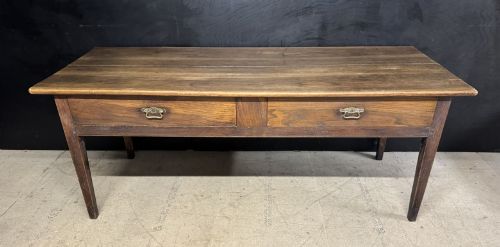
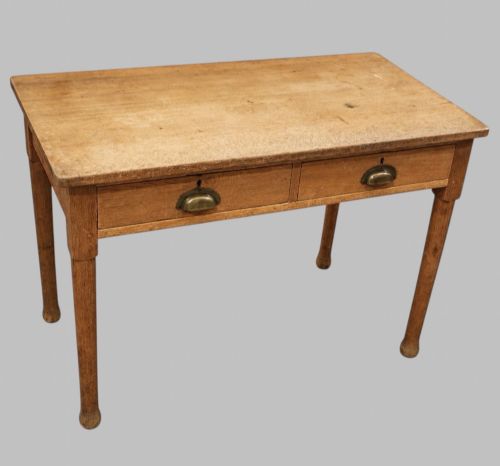
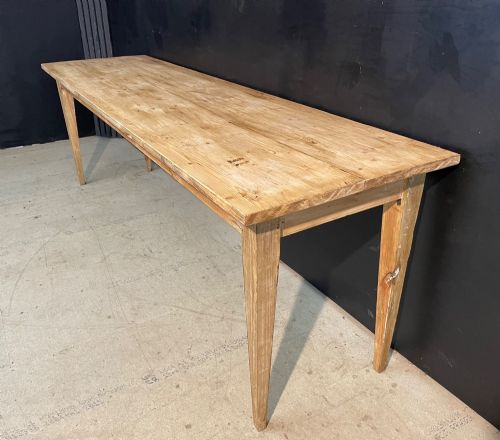
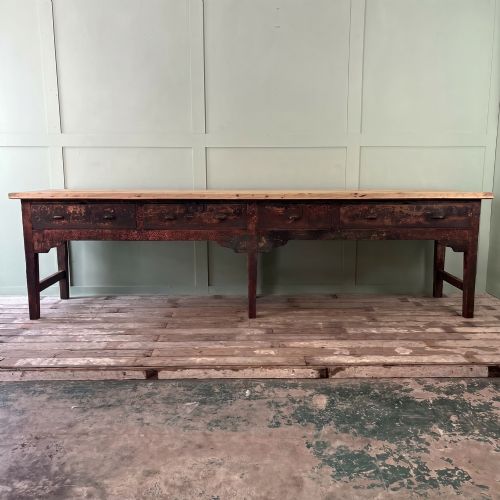
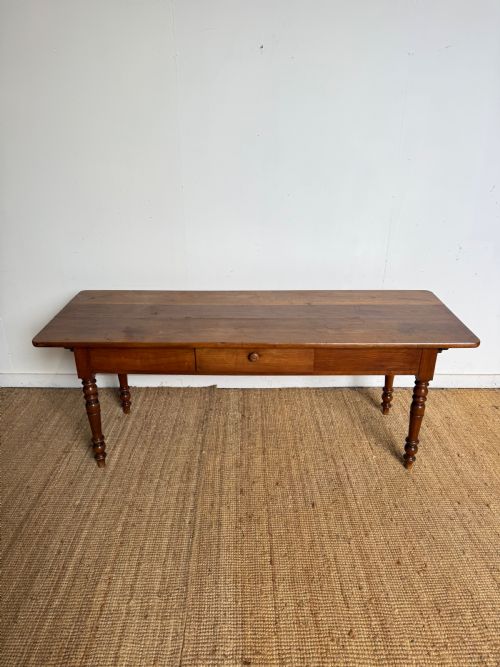
When you search for a farmhouse console, you find long, narrow tables originally built for functional domestic tasks such as food preparation, laundry, and scullery work. These pieces span centuries from the eighteenth to the twentieth, originating from English, French, Welsh, and Scottish traditions. Most examples seen here function as serving tables, worktables, or prep tables adapted to narrow hallway or living room placement.
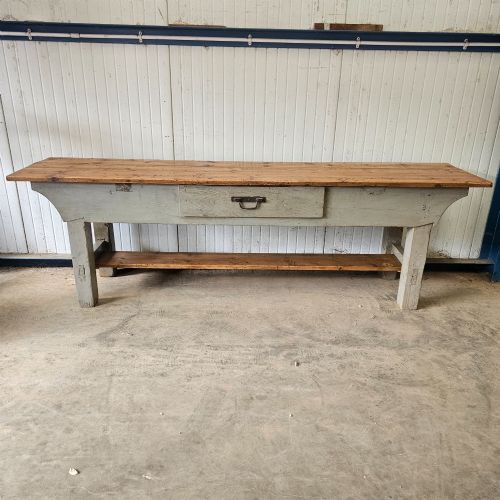
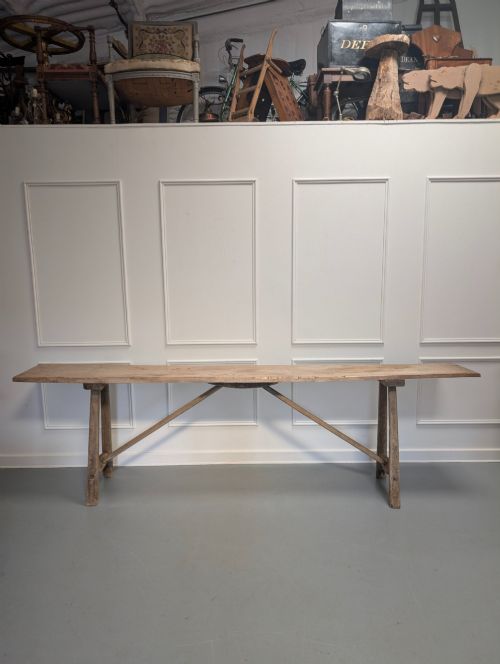
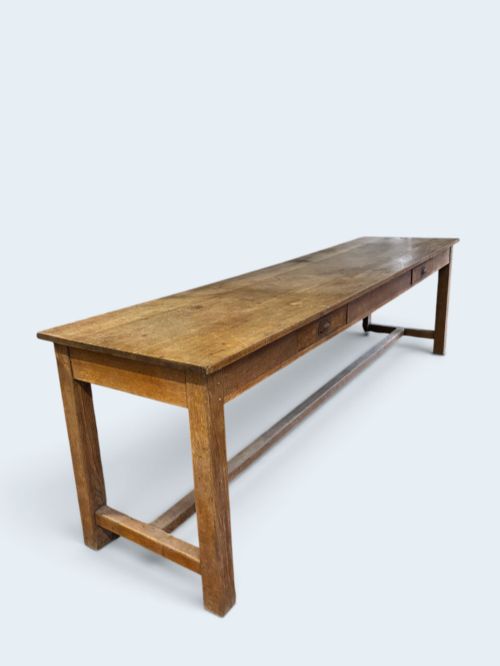
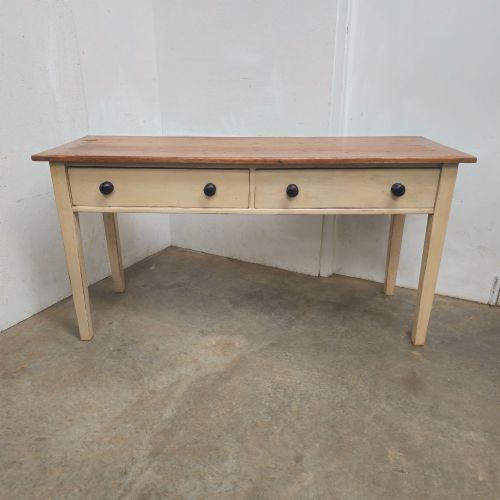
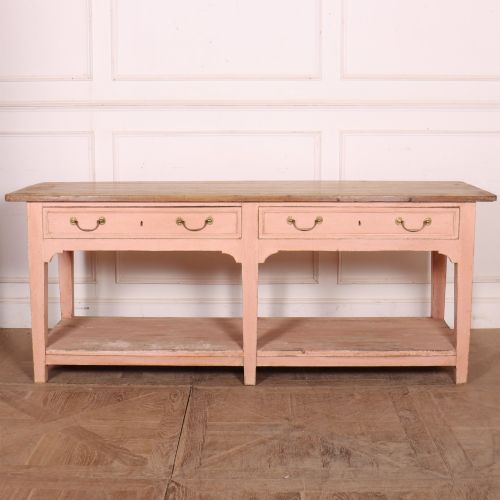
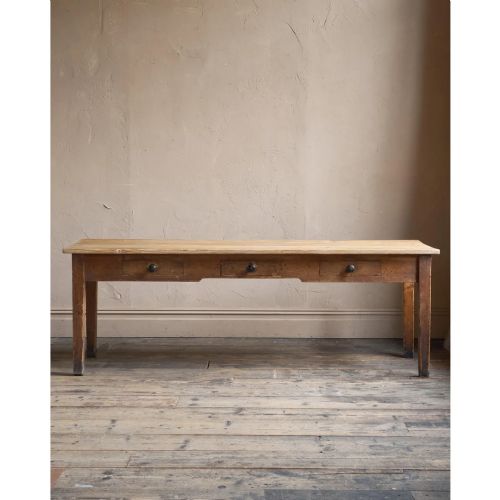
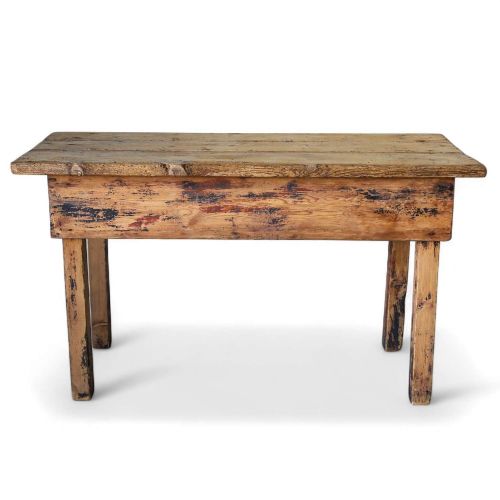
The dominant forms are rectangular plank-top tables in pine, oak, and cherrywood, often fitted with lower potboards, shelves, or banks of drawers. French and English country styles appear frequently, alongside rustic trestle tables and primitive work benches. You encounter scrubbed tops, painted finishes, and substantial timber construction suited to daily service.
How they were made
Joinery relies on solid timber construction using pine, oak, elm, sycamore, poplar, and chestnut, paired with iron and brass hardware. Cabinetmakers and carpenters built these tables to endure heavy manual labour, employing sturdy trestle supports, mortise and tenon joints, and pegged frames.
Surfaces show the effects of active use, featuring scrubbed timber tops, historic painted finishes, and natural grain patination. Additional storage is provided by built-in drawers with timber pulls and lower potboards or undershelves designed for kitchen storage.
Farmhouse Console Retail Price Guide 2026
Typical asking prices for farmhouse console among the pieces listed under this phrase on Sellingantiques today, from the lower quarter to the upper quarter. They describe what is for sale here now, not the wider market.
Trestle tables and potboard serving tables represent the primary forms found across English and French country traditions.
What varies in quality
Quality rests in the integrity of the timber, the proportion of the frame, and the honesty of the surface wear. Superior examples retain their original structural timber, uncompromised scrubbed surfaces, and authentic hardware without excessive modern reconstruction.
The Farmhouse Console Glossary
- Potboard
- A lower slatted shelf fitted beneath a table or dresser base, originally designed to hold pots and pans off damp floors. It provides useful open storage on modern console tables.
- Scrub-top
- A wooden table top washed repeatedly with water and sand or stone to clean the grain, resulting in a pale, smooth texture. This finish is characteristic of hard-working kitchen and prep tables.
- Trestle table
- A table structure consisting of two or more vertical supports connected by a horizontal beam or stretcher. This form allows maximum legroom along the length of the piece.
- Scullery table
- A heavy utilitarian table used in the back areas of large houses for washing and food preparation. They are typically constructed from robust timbers like pine or oak.
Farmhouse Console: Frequently Asked Questions
How were farmhouse consoles originally used?
These tables served as heavy-duty work surfaces for food preparation, laundry, and scullery tasks in domestic kitchens and prep rooms. Their narrow proportions allowed them to stand against walls without blocking walkways.
Over time, their practical utility made them natural choices for serving food or storing household items on lower potboards and shelves.
How do I choose the right timber?
Pine offers a lighter, softer appearance with rustic painted or scrubbed finishes suited to casual interiors. Oak and chestnut provide heavier structural weight, deeper grain texture, and greater resistance to wear.
Consider the existing wood tones and room traffic when selecting between softer painted pines and harder fruitwoods like cherry.
How do I date these tables?
Dating relies on timber species, tool marks, construction methods, and hardware styles across the eighteenth, nineteenth, and early twentieth centuries. Earlier pieces often display hand-sawn boards and pegged joinery.
Later examples from the late nineteenth and early twentieth centuries show more uniform machine-cut elements while retaining traditional forms.
Can I use a worktable as a hallway console?
The narrow depth of prep tables, laundry tables, and serving tables makes them ideal for hallways and narrow living spaces. Their length provides display surface without protruding too far into the room.
Drawers and lower shelves offer practical storage for keys and everyday items while maintaining an open visual footprint.