



Famille Verte Ceramic
Famille verte ceramic works bring vibrant green enamel palettes and rich Qing Dynasty character to a room through dishes, vases, and lamps.
Famille Verte Ceramic
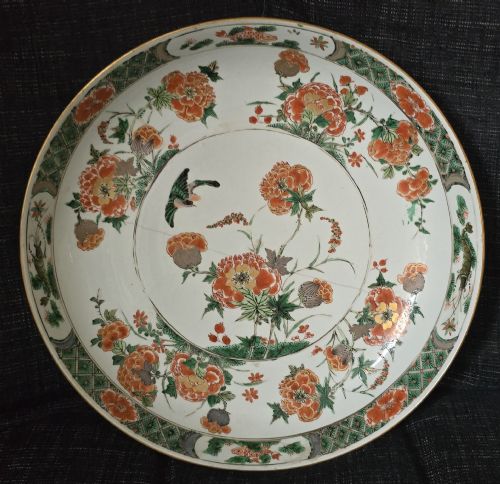
Famille verte ceramic objects comprise a striking array of porcelain pieces decorated primarily in green overglaze enamels. When exploring this selection, buyers encounter everything from large chargers and ginger jars to converted table lamps and figurative pieces.
The objects here trace through the seventeenth, eighteenth, and nineteenth centuries, reflecting diverse periods including the Kangxi and Daoguang eras. Vases and lamps from the nineteenth century appear frequently alongside earlier export porcelain and chargers.
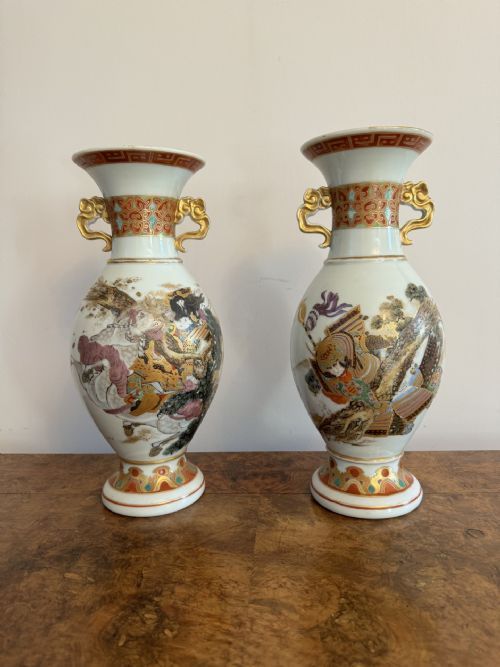
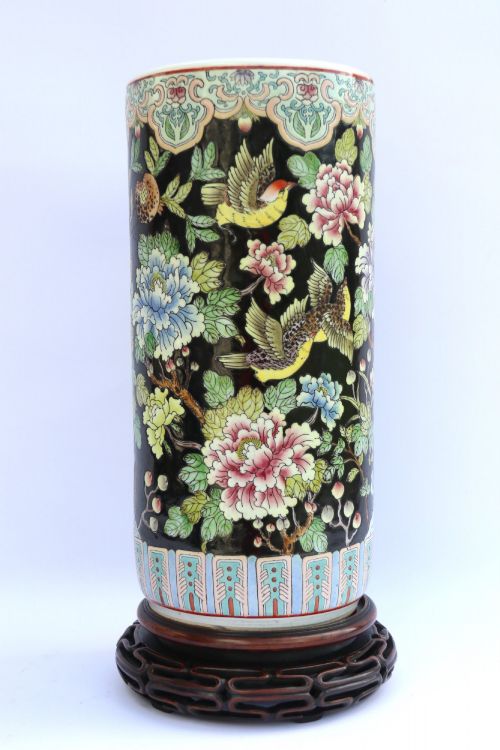
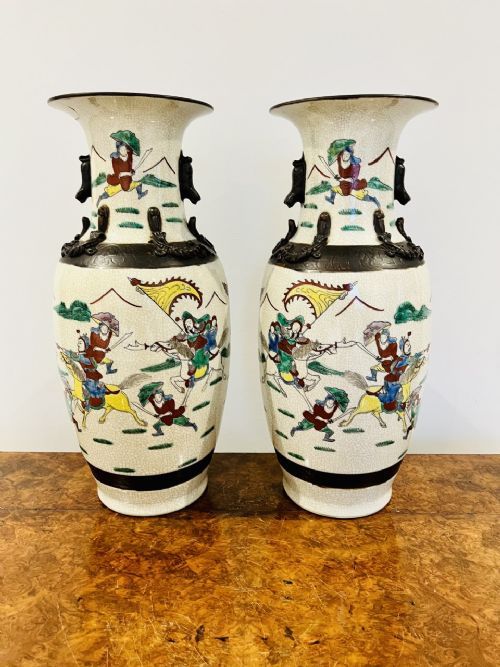
Forms range from floor vases and square vessels to brush pots and decorative dishes. Many pieces demonstrate distinct Qing Dynasty aesthetics, Chinese export traditions, and nineteenth-century adaptations like wired table lamps.
Materials and Technique
Makers utilised fine porcelain as the foundational body for these vessels, shaping baluster vases, dishes, and jars with precision. Overglaze enamels provide the characteristic vibrant green and multi-coloured detailing across the glazed surfaces.
Artisans applied hand-painted pigments directly onto the fired porcelain, often incorporating gilding and detailed enamel work. Certain pieces also feature specialised treatments like cracked glazes or are paired with hardwood stands.
Conversion for modern use involved adapting porcelain vases into table lamps, sometimes integrating brass elements or silk shades while preserving the original ceramic body.
Famille Verte Ceramic Retail Price Guide 2026
Typical asking prices for famille verte ceramic among the pieces listed under this phrase on Sellingantiques today, from the lower quarter to the upper quarter. They describe what is for sale here now, not the wider market.
Materials documented across the collection include overglaze enamel, porcelain, brass, silk, and gilding.
Assessing Quality and Execution
The distinction between standard and exceptional pieces rests in the crispness of the hand-painted enamel work and the complexity of the figural or floral scenes. Superior chargers and vases display precise brushwork, balanced polychrome palettes, and well-defined forms that reflect high-level workshop output.
Age and provenance further elevate certain examples, particularly those bearing period marks or linked to specific historical periods like the Kangxi era. The integrity of the porcelain body, the vibrancy of the overglaze enamels, and the preservation of original mounts or stands dictate the standing of individual items.
The Famille Verte Ceramic Glossary
- Famille Verte
- A French term meaning green family, describing a Chinese porcelain palette dominated by green enamel overglaze. This style developed during the Qing Dynasty, succeeding earlier ceramic traditions.
- Overglaze Enamel
- Glassy coloured pigments applied to a previously fired and glazed porcelain surface before undergoing a second, lower-temperature firing. This technique allows for detailed and colourful pictorial designs.
- Charger
- A large decorative dish or plate intended primarily for display rather than dining use. These pieces often feature intricate court scenes or floral arrangements across the well and rim.
- Bitong
- A cylindrical brush pot used in traditional Chinese scholar's studios for holding writing brushes. Examples in this ceramic tradition display carved or enamelled decorative bands.
- Baluster Vase
- A vessel featuring a bulbous lower body that tapers towards a neck and flared rim, reminiscent of an architectural baluster. This classic form appears frequently in Chinese export porcelain.
Famille Verte Ceramic: Frequently Asked Questions
How do I date a famille verte piece?
Dating relies on stylistic clues, potting characteristics, and any reign marks found on the base of the porcelain. Examining the depth and tone of the overglaze enamels also helps distinguish seventeenth-century originals from later nineteenth-century interpretations.
Changes in export patterns and manufacturing techniques across the Qing Dynasty provide further context for placing an object in its correct period.
Are these lamps original or conversions?
Many table lamps listed in this category are period porcelain vases that have been thoughtfully converted for modern lighting use. These conversions typically retain the historic ceramic body while updating the internal wiring and hardware.
Buyers should examine each listing to understand how the lamp was adapted and whether original fittings or stands remain intact.
What is the difference between famille verte and famille rose?
Famille verte relies primarily on a palette of green overglaze enamels combined with other colours like blue, yellow, and iron red. Famille rose, introduced later, is defined by the use of an opaque pink or purple enamel derived from colloidal gold.
Both styles showcase Chinese porcelain artistry but reflect different periods and chemical advancements in ceramic decoration.
How should I display a large charger?
Large chargers and decorative dishes are best shown using stable wall brackets or dedicated plate stands designed to support their weight safely. Placement should avoid direct, harsh sunlight to protect the stability and vibrancy of the hand-painted enamels over time.
Ensuring adequate support prevents accidental slips while allowing the intricate details of the court scenes or floral motifs to remain fully visible.