

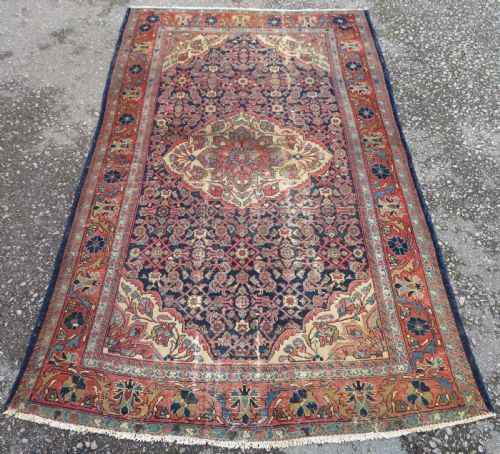
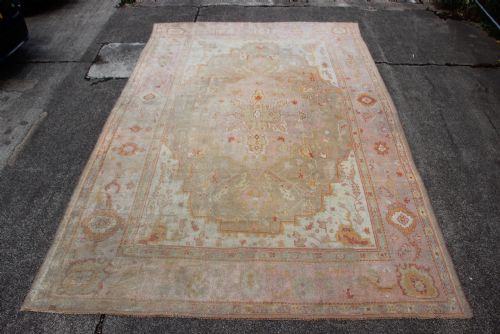
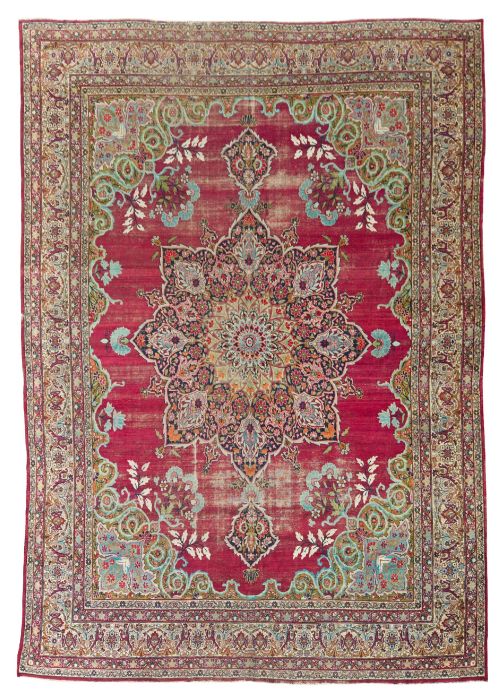



Faded Oriental Carpet
A faded oriental carpet brings worn warmth and muted character to a room through centuries of heritage.
Faded Oriental Carpet
A faded oriental carpet comprises hand-knotted floor coverings originating from Persia, Turkey, and the Caucasus, dating from the nineteenth century into the early twentieth century. When searching for a faded oriental carpet, buyers encounter large carpets, long runners, and smaller rugs woven in distinct regional traditions.
Makers and weavers across Anatolia, Persia, and Caucasian regions produced these works using wool, cotton, and angora wool. The resulting objects range from intimate area rugs to grand oversized carpets intended for substantial spaces.
How they were made
Weavers constructed these carpets predominantly from wool and cotton foundations, occasionally utilising finer angora wool for specific pile textures. Natural dye methods reacted to decades of light and foot traffic, yielding the characteristic soft pinks, pale blues, and faded reds visible across the inventory.
Production techniques varied from city workshops in Tabriz and Kirman to tribal or village looms in Anatolia and the Caucasus. Some items, such as the Uzbek suzani kilim, involved specific flatweave methods joined in strips, while others relied on dense knotting over cotton warps.
Faded Oriental Carpet Retail Price Guide 2026
Typical asking prices for faded oriental carpet among the pieces listed under this phrase on Sellingantiques today, from the lower quarter to the upper quarter. They describe what is for sale here now, not the wider market.
Listings span the nineteenth century up to 1920, incorporating wool, cotton, and angora wool materials across Persian, Turkish, and Caucasian origins.
What varies in quality
Quality in these floor coverings lies in the balance between structural integrity and the degree of wear. A finer piece maintains secure knotting and stable foundation threads despite heavy distressing, whereas lesser examples suffer from structural collapse or brittle wool.
The sophistication of the original design and the harmony of the fading process determine the aesthetic success of each piece. Pales and muted pastels that retain a clear, balanced composition separate superior decorative carpets from those with muddied or uneven deterioration.
Maples
The Faded Oriental Carpet Glossary
- Oushak
- A Turkish carpet type originating from the town of Ushak, known for large-scale floral motifs and soft pastel colour palettes. These pieces frequently form the backbone of antique decorative rug selections.
- Kilim
- A flatwoven carpet or rug produced without a pile by tightly interweaving warp and weft strands. This technique results in a thin, durable textile often utilised for smaller floor spaces or wall hangings.
- Distressed
- A descriptive term for antique textiles showing significant wear, low pile, and softened surfaces resulting from age. This condition is often sought after for interior design schemes requiring muted tones.
- Warp
- The vertical threads stretched on a loom that form the foundational skeleton of a hand-knotted carpet. The condition of these threads determines the overall structural survival of the piece.
- Runner
- A long, narrow carpet format specifically designed for hallways, corridors, or alongside beds. These pieces appear frequently in both Turkish and Persian regional styles.
Faded Oriental Carpet: Frequently Asked Questions
Can I place these carpets in high traffic areas?
Many sturdy wool carpets withstand regular foot movement if protected by a quality underlay. The underlying floor pad absorbs impact and prevents sliding.
Extremely distressed or low pile examples require gentler placement to preserve remaining structure. Hallways and low-use sitting rooms suit different levels of wear accordingly.
Why do these carpets look faded?
Decades of exposure to sunlight and natural foot traffic soften the original wool dyes into gentle pastels. This gradual weathering creates the muted aesthetic prized by modern interior designers.
Natural vegetable dyes used in nineteenth-century weaving mellow gracefully over time rather than turning harsh. Each piece records a unique history of light and use.
How do I identify an Oushak carpet?
Oushak carpets typically display looser knots, softer wool, and large-scale geometric or simplified floral designs. Their colour palettes lean towards pale blues, soft pinks, and warm earthy tones.
Originating from western Anatolia, these pieces often feature distinctive Anatolian motifs executed on a grander scale than village rugs. They provide a lighter visual weight compared to dense Persian carpets.