
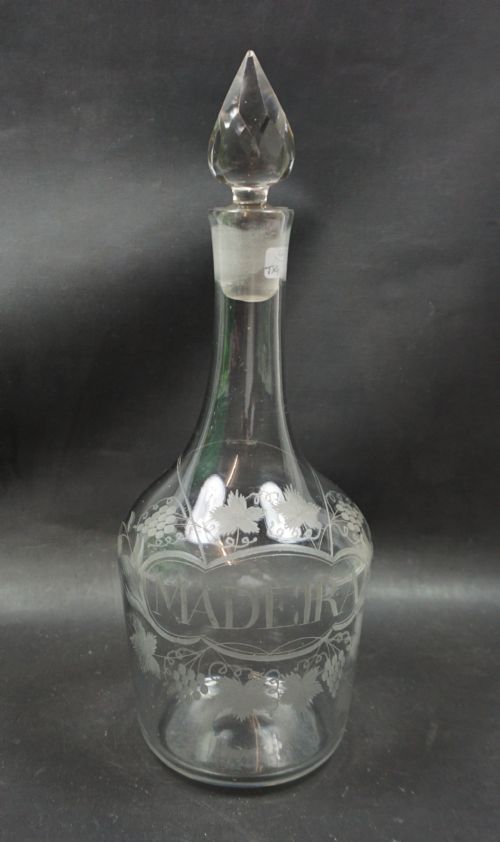

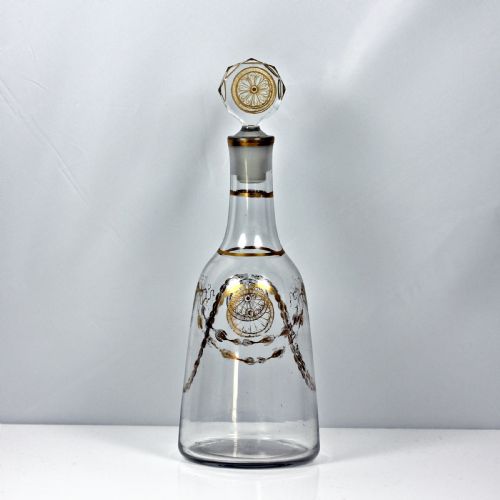


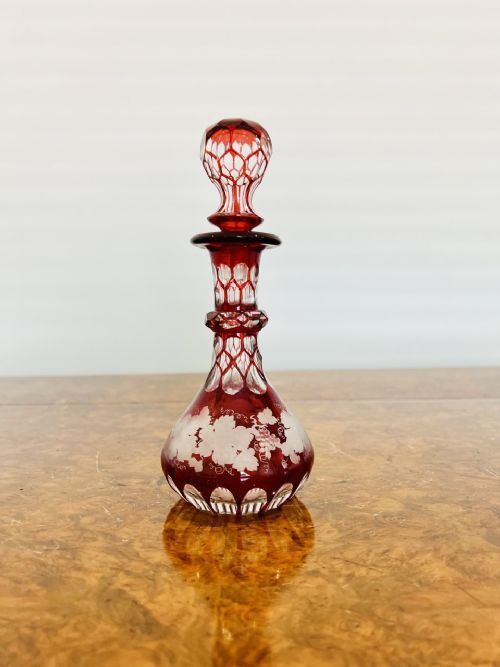


Facetted Glass Stopper
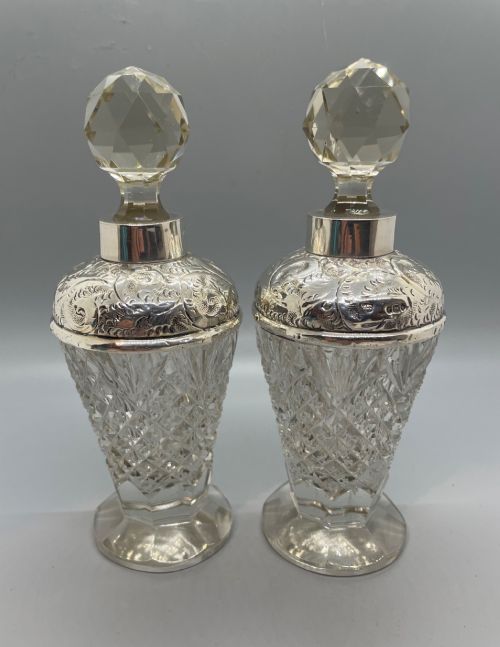
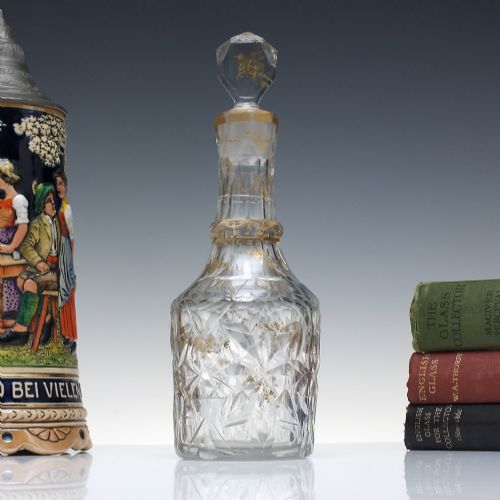
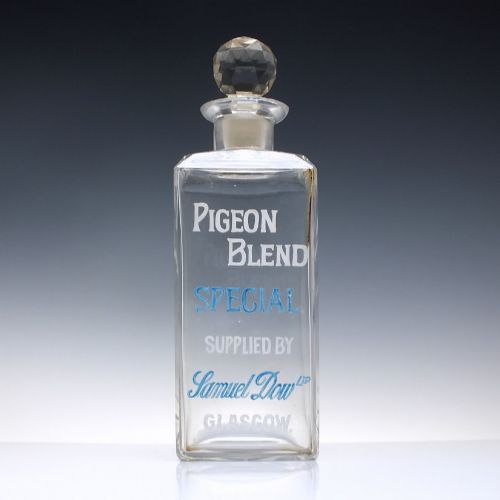
These items bring a facetted glass stopper to light, forming the precise closure on period decanters and scent bottles.
Facetted Glass Stopper
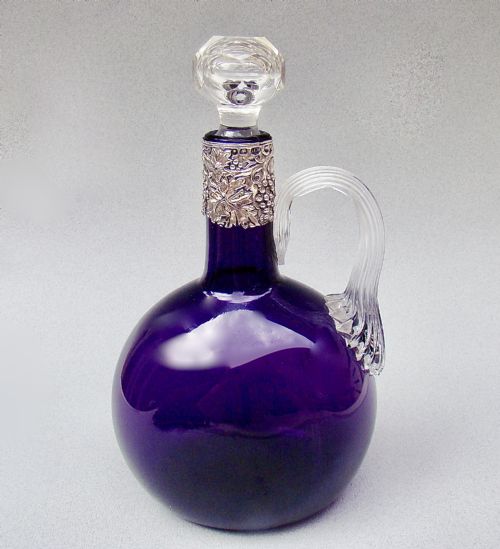
A facetted glass stopper serves as the crowning closure for antique decanters, spirit bottles and perfume containers found across this selection. Most examples originate from the Georgian, Victorian and Edwardian eras, appearing alongside lead crystal and clear glass bodies.
The objects span varied forms including whisky decanters, bell-shaped vessels and small scent bottles. Buyers encounter these stoppers fitted directly to period barware and dressing table accessories produced in England and Scotland.
How they were made
Maker's hands shaped these items from clear glass, crystal and lead crystal, utilising hot-forming techniques before cooling the material. Skilled artisans then applied wheel-cutting to create geometric facets that catch the light.
Certain pieces incorporate sterling silver collars, mounts or enamel decoration alongside the glass components. Master craftsmen ground the lower stems of the stoppers by hand to fit snugly into individual bottle necks.
The listings span multiple periods from the eighteenth century through to the Art Deco era, employing cut glass, crystal and sterling silver.
What varies in quality
The crispness of the cutting defines the distinction between standard and superior examples. Sharp, deep facets reflect greater brilliance than soft or worn surfaces.
Proportion and weight also dictate standard, where heavier lead crystal and balanced geometric forms indicate higher output from the period workshops.
Atelier of James Giles·Henry Matthews·Karl Palda·Betjemann Brothers
The Facetted Glass Stopper Glossary
- Decanter
- A vessel used for holding and serving wine or spirits, typically completed by a matching stopper. These containers appear in various forms from the eighteenth to the early twentieth century.
- Lead crystal
- A type of glass containing metallic oxide that increases weight, clarity and refractive index. This material allows cutters to produce sharper facets on the matching stoppers.
- Sterling silver
- A silver alloy containing substantial purity used for collars and mounts on bottles. Makers often paired these metal elements with cut glass bodies.
- Ewer
- A large jug with a wide spout used alongside or instead of traditional decanters. Such vessels sometimes display similar decorative cutting.
- Cranberry overlay
- A layered glass technique featuring a thin red stratum over clear material. Pieces utilising this method appear in nineteenth-century dressing table items.
Facetted Glass Stopper: Frequently Asked Questions
How do I clean an antique decanter?
Wash the glass gently in warm water using mild soap, avoiding sudden temperature changes that might crack the material.
Dry the vessel thoroughly and store the stopper separately to prevent moisture accumulation inside the neck.
Are these stoppers original to the bottles?
Period pieces often retain their matched closures, ground by hand to fit the individual neck during manufacture.
Inspect the seating and wear marks on the stem to understand the relationship between the two components.
How can I tell a Victorian bottle from a Georgian one?
Georgian examples generally display heavier hand-cut profiles and deeper pontil marks on the base.
Victorian and Edwardian items often show machine-assisted precision cutting and different stylistic proportions.
What were scent bottles used for?
Victorians carried or displayed small perfume containers on dressing tables to hold aromatic liquids.
These personal items frequently featured silver collars and fitted glass stoppers to prevent evaporation.