

Fabric Footstool
A fabric footstool brings upholstered comfort and traditional craft to a room, offering low seating or a surface to rest legs.
Fabric Footstool
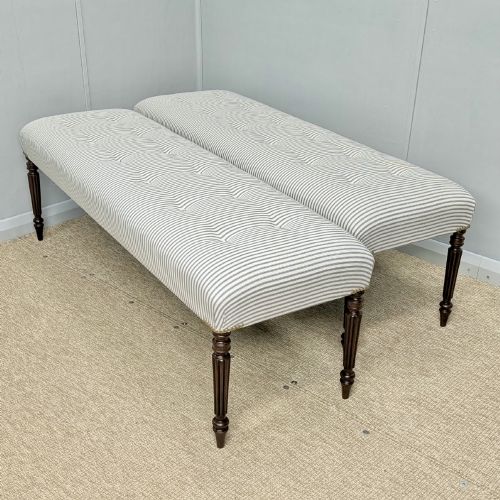
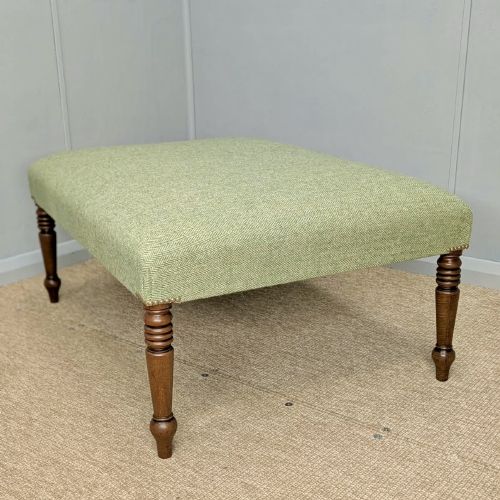
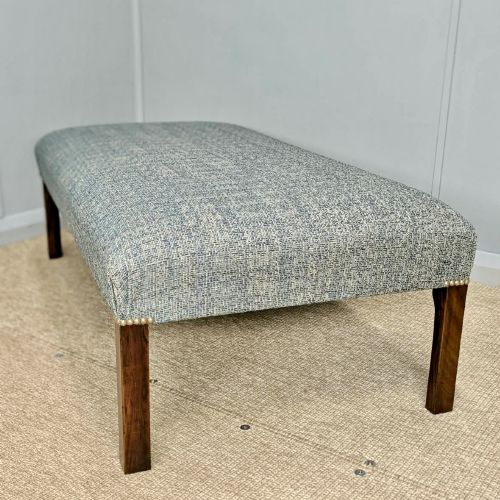
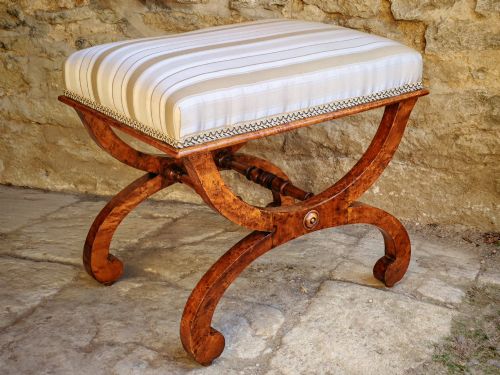
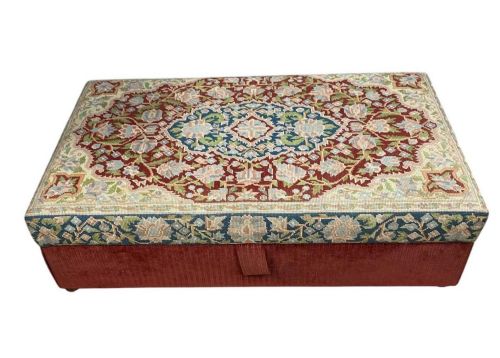
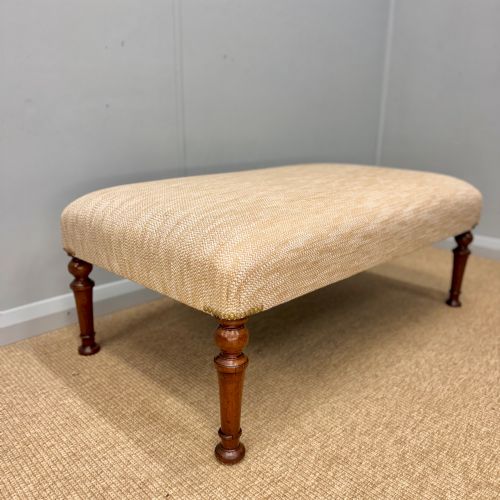
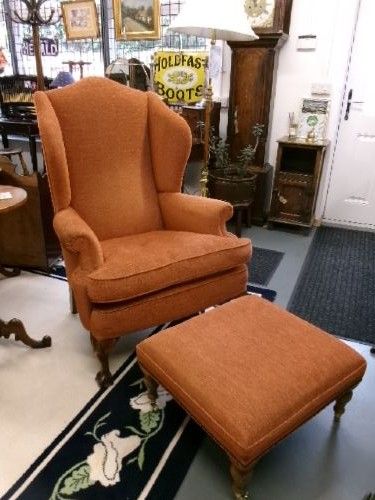
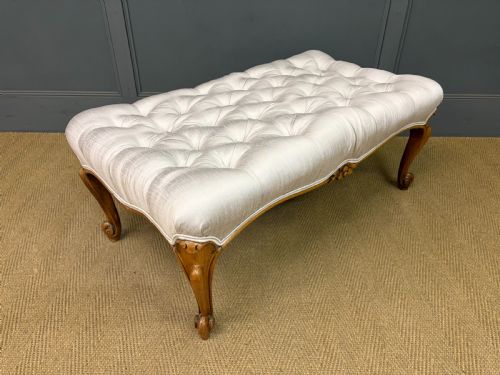
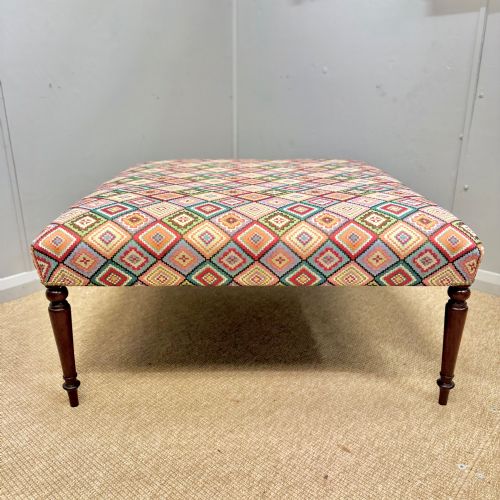
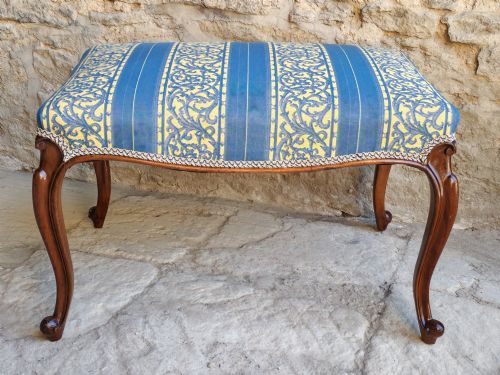
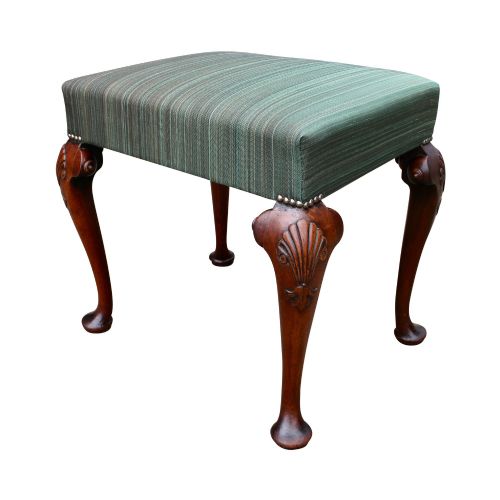
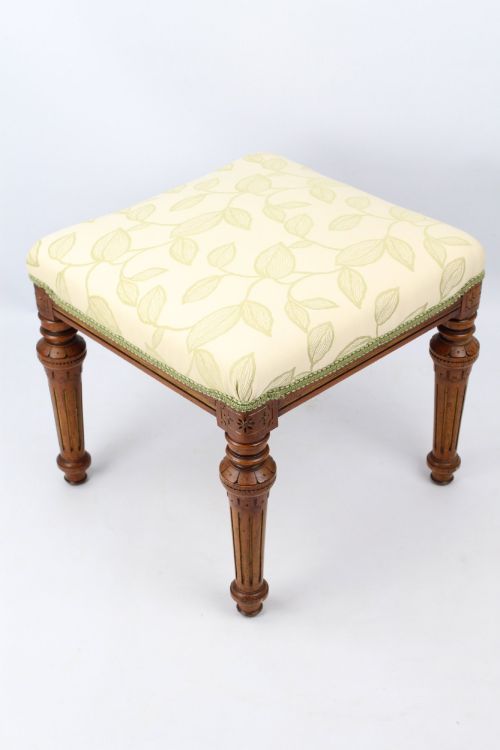
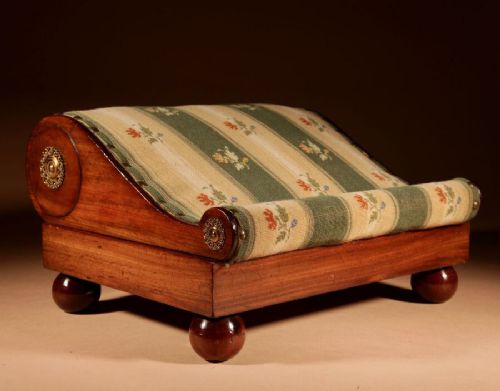
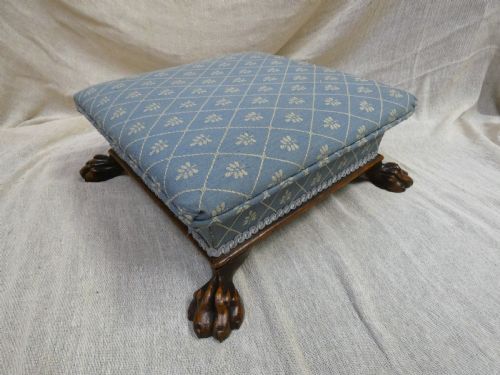
A fabric footstool is a low domestic seat or rest designed for comfort, appearing across nineteenth-century and revival periods in forms ranging from simple jointed stools to large buttoned ottomans. When looking for a fabric footstool, buyers encounter pieces upholstered in chenille, needlepoint, tapestry, kilim, or modern designer textiles.
The selections span distinct historical eras, including Regency, Victorian, and William IV designs alongside later Queen Anne and Arts and Crafts revivals. Common formats include low dressing table stools, long window seats, blanket boxes, and matching pieces sold alongside armchairs.
Originating from English country houses and continental workshops alike, these items serve practical domestic functions while displaying period timber frames and upholstery techniques. The pieces on this page reflect diverse timber carcases and textile coverings spanning several centuries of furniture production.
How they were made
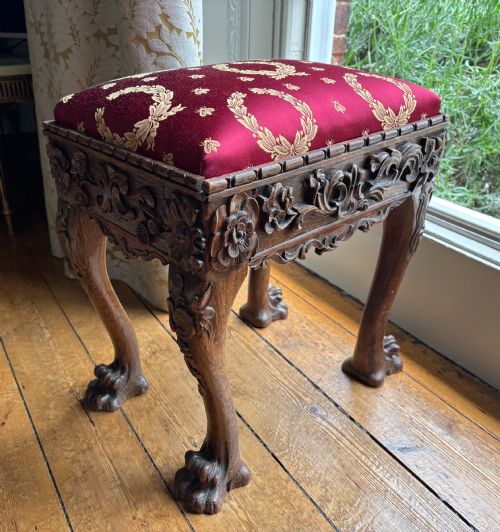
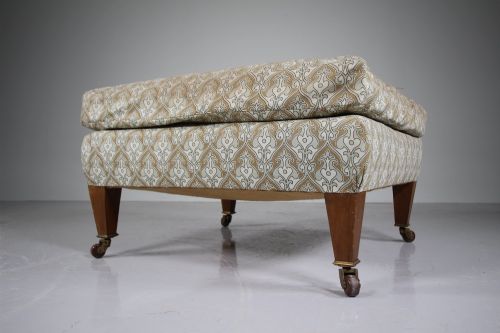
Frames are constructed from solid timbers such as mahogany, walnut, rosewood, oak, and burr maple, joined using traditional cabinet-making methods. Many pieces incorporate turned legs, cabriole supports, or brass castors to aid movement.
Upholstery relies on supportive webbing, stuffing materials, and decorative top fabrics secured with tacks or piping. Textiles range from historical needlepoint and kilim to contemporary Liberty prints and chenille.
Fabric Footstool Retail Price Guide 2026
Typical asking prices for fabric footstool among the pieces listed under this phrase on Sellingantiques today, from the lower quarter to the upper quarter. They describe what is for sale here now, not the wider market.
Listings feature eighteenth and nineteenth-century periods, utilising mahogany, walnut, rosewood, and oak alongside diverse textile coverings.
What varies in quality
The distinction between standard and superior pieces rests upon the selection of timber and the complexity of the frame carving. Dense hardwoods like rosewood and figured walnut indicate higher workshop ambition than plain secondary woods.
Upholstery execution and textile selection also define the grade of a stool. Hand-stitched needlepoint, traditional buttoning, and retained original fabric distinguish finer examples from plain utilitarian replacements.
Howard & Sons·Liberty & Co
The Fabric Footstool Glossary
- Cabriole leg
- A furniture leg that curves outward at the knee and tapers inward toward the foot, typical of Victorian and revival seating.
- Ottoman
- A low upholstered seat or box without a back or arms, often fitted with internal storage for blankets or linens.
- Kilim
- A flatwoven textile originating from the Middle East or Eastern Europe, utilised as a durable decorative upholstery cover.
- Castor
- A small wheel attached to the base of furniture legs to facilitate movement across carpets and flooring.
- Oyster-veneer
- Circular wood veneers sliced from small branches to create an intricate oyster-shell pattern across flat surfaces.
Fabric Footstool: Frequently Asked Questions
What is a fabric footstool used for?
These pieces serve primarily as low rests for tired legs or as auxiliary seating in reception rooms and bedrooms. Many designs incorporate internal storage compartments for blankets, pillows, or small household items.
Larger ottoman variants function effectively as coffee tables when paired with a flat tray placed upon the textile top. Their versatility allows them to integrate into diverse interior settings ranging from formal drawing rooms to casual studies.
Are these footstools upholstered in original fabric?
Some listings retain their original nineteenth-century textiles, such as antique needlepoint, tapestry, or kilim coverings, showing honest patination from age. Other pieces arrive newly upholstered in contemporary or designer patterned fabrics to suit modern interiors.
Descriptions explicitly note whether a textile is original to the piece or a recent addition. Buyers seeking period authenticity should review the listing details for confirmation of the upholstery state.
How do I care for antique wood and fabric?
Timber frames benefit from occasional treatment with appropriate wax or polish to nourish the grain and prevent the wood from drying out. Upholstered surfaces require gentle vacuuming with a soft brush attachment to remove dust without damaging the textile fibres.
Direct sunlight should be avoided to prevent fading on delicate needlepoint, chenille, or printed fabrics. Professional cleaning is recommended for antique textiles to preserve the structural integrity of historical stitching.